






This is the next in a series designed to help readers identify the different wildlife and foliage they may have in their backyard. Birds are the first that we plan to identify, but if there are specific creatures or plants you would like to learn more about, please send us an email.
The Northern Cardinal, whose scientific name is cardinalis cardinalis, is one of the most cherished and revered birds found in Milford backyards. Many believe that when cardinals are nearby, angels are nearby as well. Some feel that a cardinal is the spirit of a loved one who has passed on.
The cardinal is recognized by several states as their state bird, including Illinois, Indiana, Kentucky, North Carolina, Ohio, Virginia and West Virginia. The bird gets its name from the cardinals of the Catholic church who wore red.
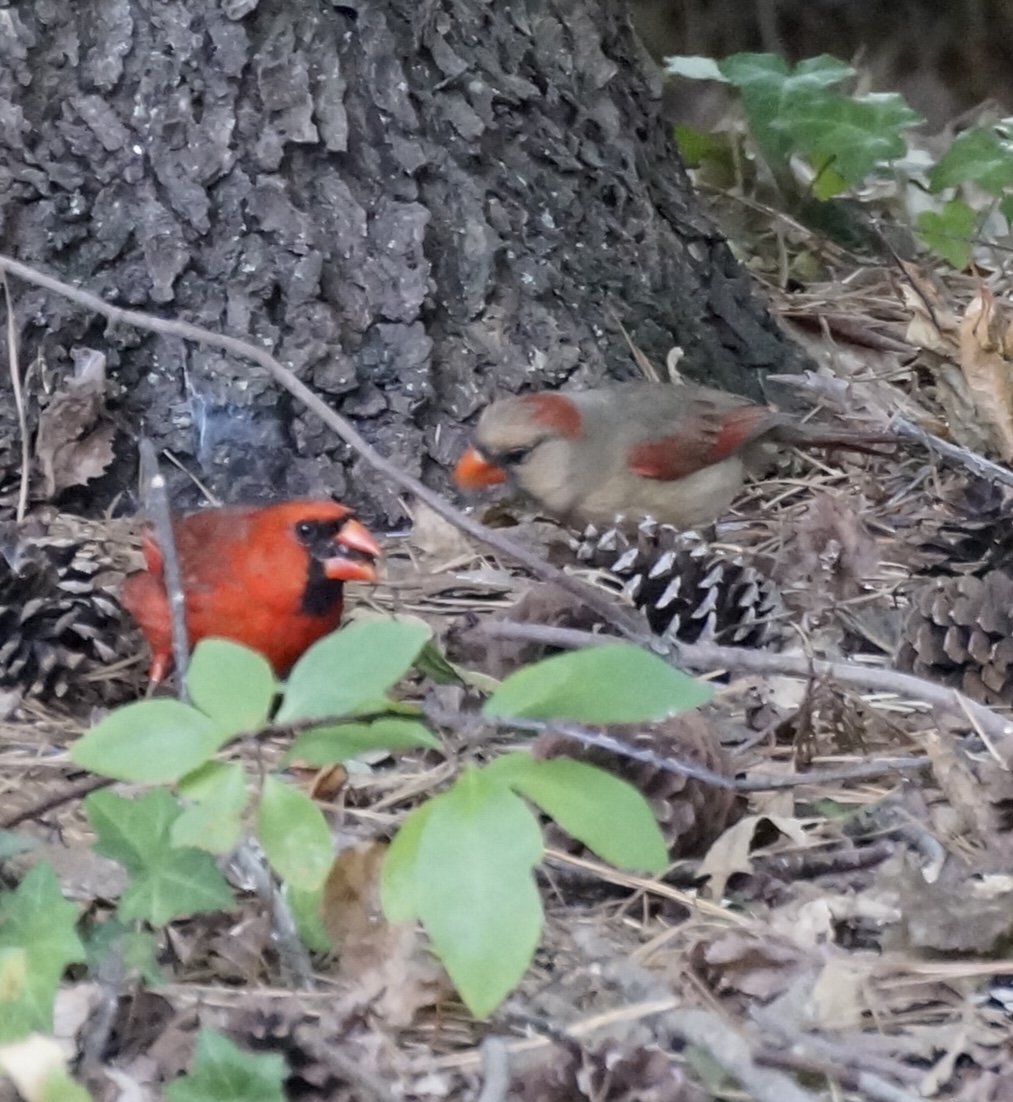
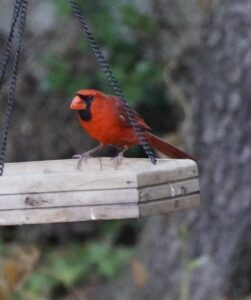
The Northern Cardinal, most common in this area, is known for its vibrant plumage, bold personality and whistling song. Male cardinals are bright red with a black facial mask while females are brown tinged with red. A juvenile cardinal looks similar to the female, but the bill is blackish. Cardinals can be found at feeders and nesting in dense shrubs, thickets and low trees.
Cardinal nests are open cup shaped in dense foliage. They can be found in forest edges, suburban gardens and shrubby thickets. Their diet consists of seeds, fruits and insects. They also eat berries, flowers as well as weed and grass seed. They will eat from a feeder, but prefer seed scattered on the ground, especially sunflower, safflower and cracked corn.
A cardinal can live between three and five years on average, but some have lived up to 15 years. They are between eight and nine inches tall, weighing up to just under two ounces. Cardinal predators are snakes, hawks, squirrels and cats.
Both sexes sing, which is unusual for songbirds in North America. Cardinals sing to claim territory or communicate with mates. Although they can sometimes hide, male cardinals sing from open perches. The song sounds like “cheer cheer cheer” although it can sometimes sound like “Purty purty purty.”
The birds are devoted to their mate and raise multiple broods each season. Northern cardinal eggs are pale greenish or bluish speckled eggs, and the birds lay two to five in each brood. Fledglings leave the next at 9 to 11 days and the male may care for the fledglings while the female prepares the next nest.

They have strong, cone-shaped beaks able to crack sunflower seeds, which is a favorite in feeders.
During mating season, males may attack reflective surfaces, believing they are intruders. Found in Delaware throughout the year, the bright red of cardinals on white snow is a striking contrast.
Northern cardinals do not live west of the Great Plains which means red birds seen in western states like Arizona or New Mexico are not cardinals but another type of red bird, including a scarlet tanager, summer tanager, male house finch or male purple finch, none of which has a crest.
Next week, learn more about the tufted titmouse, another frequent visitor to backyards. Details on the chickadee can be found here.