





September may still bring plenty of warm days to Delaware, but cooler weather is on the horizon. For gardeners, the transition from summer to fall is an important time to begin preparing flower beds, vegetable gardens and landscaping for the winter months ahead.
A little work now can protect plants during cold weather, reduce spring cleanup and help gardens get off to a healthier start next year.
Begin by removing annual plants that have finished producing or flowering, along with diseased or damaged plant material. Vegetable plants showing signs of disease should generally be discarded rather than added to a home compost pile, where some pathogens may survive.
Healthy plant material can be composted and eventually returned to the garden.
Gardeners do not, however, need to remove every dried flower or seed head. Leaving some plants standing through winter can provide seeds for birds as well as shelter for beneficial insects. Coneflowers, black-eyed Susans and other seed-producing flowers can continue contributing to the backyard long after their blooms disappear.
Fall is a good time to evaluate perennial beds and identify plants that have become overcrowded. Many perennials can be divided and replanted as temperatures cool, giving their roots time to become established before winter.
Avoid automatically cutting every perennial to the ground. Some plants benefit from fall pruning, while others are better left standing until spring. Leaving plant material in place can also provide winter habitat for insects and wildlife.
Continue watering trees, shrubs and perennials during dry periods. Plants may appear dormant above ground later in the season, but adequate moisture before the ground freezes can help them withstand winter conditions.
Once temperatures begin dropping, adding a layer of mulch can help insulate plant roots and reduce repeated freezing and thawing of the soil.
Fall is also a good time to improve vegetable beds. After removing spent plants, gardeners can add compost or other organic material to replenish nutrients used during the growing season.
Those who don’t want bare soil throughout the winter can consider planting a cover crop. Cover crops help reduce erosion and can add organic matter to the soil when incorporated later.
Before gardening equipment disappears into the shed or garage for winter, take time to clean it.
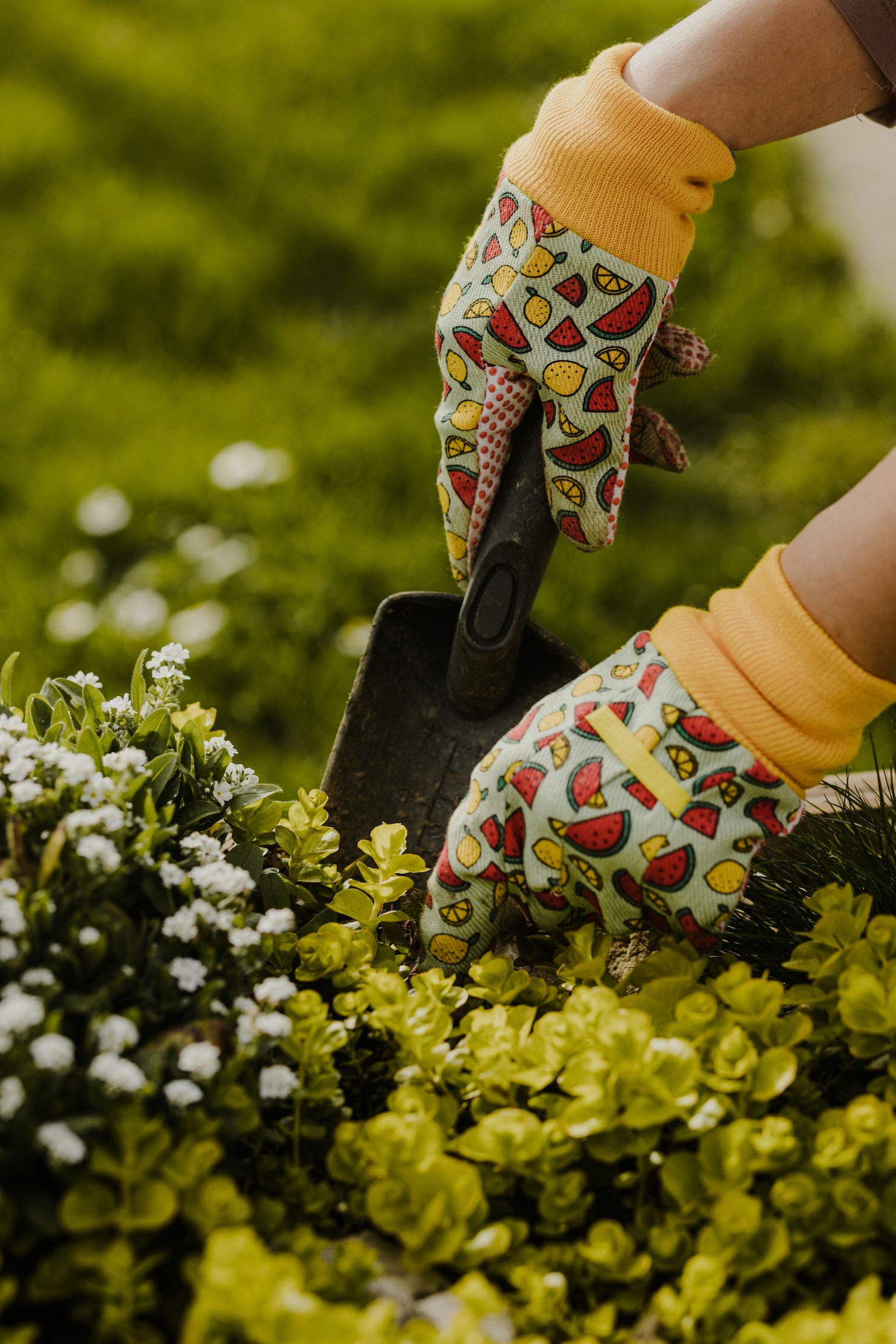
Remove soil from shovels, hoes and hand tools, sharpen blades when necessary and inspect handles for damage. Garden hoses should eventually be disconnected and drained before freezing temperatures arrive.
September doesn’t mean the gardening season is over. Instead, it marks the beginning of preparations for the next one. A few hours spent in the garden this fall can mean healthier soil, stronger plants and considerably less work when spring finally returns.