



The Milford Museum and Milford Public Library will continue their American History Series next month with a presentation examining Delaware’s complex political landscape during the Civil War and how the conflict shaped communities across the First State, including Milford.
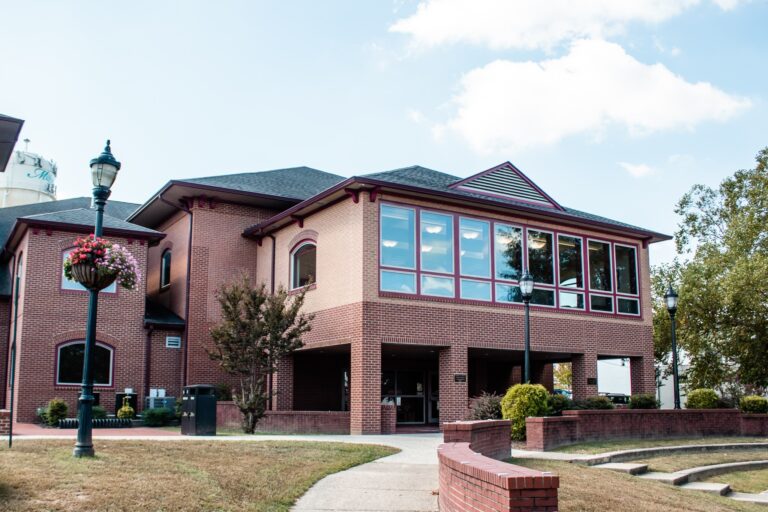
Historian Michael McKain will present “Delaware Politics During the Civil War” on Saturday, Aug. 8, at 1 p.m. at the Milford Public Library, 11 S.E. Front St.
The presentation will explore Delaware’s political climate before and during the Civil War, focusing on the state’s unique position as a border state. Although Delaware remained loyal to the Union, it was also a slave state, creating political and social divisions unlike those found in either the North or the South. By the outbreak of the war in 1861, the state’s enslaved population had declined significantly, but debates over slavery, states’ rights, loyalty to the Union and federal authority continued to divide citizens and political leaders.
Drawing on primary sources including newspapers, personal diaries, political speeches and other contemporary documents, McKain will examine how Delaware’s elected officials and residents navigated the political tensions that defined the Civil War era.
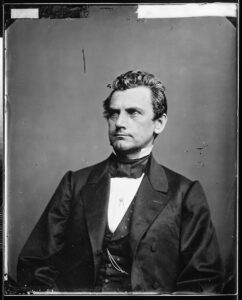
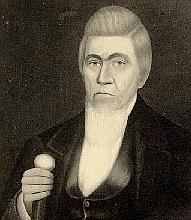
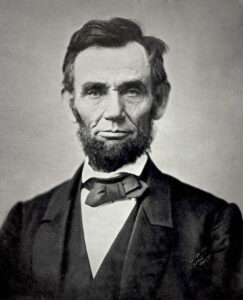
The program has particular significance for Milford, which was home to one of Delaware’s most influential Civil War-era political figures, Gov. William Burton. A Milford resident who served as Delaware’s governor from 1859 to 1863, Burton was widely regarded as a Southern sympathizer who opposed many of President Abraham Lincoln’s wartime policies. Despite his personal political views and support for states’ rights, Burton remained committed to preserving the Union and resisted calls for Delaware to join the Confederacy. His administration reflected the difficult balancing act faced by many Delaware leaders as they attempted to maintain the state’s loyalty to the Union while representing a population deeply divided over slavery and federal authority.
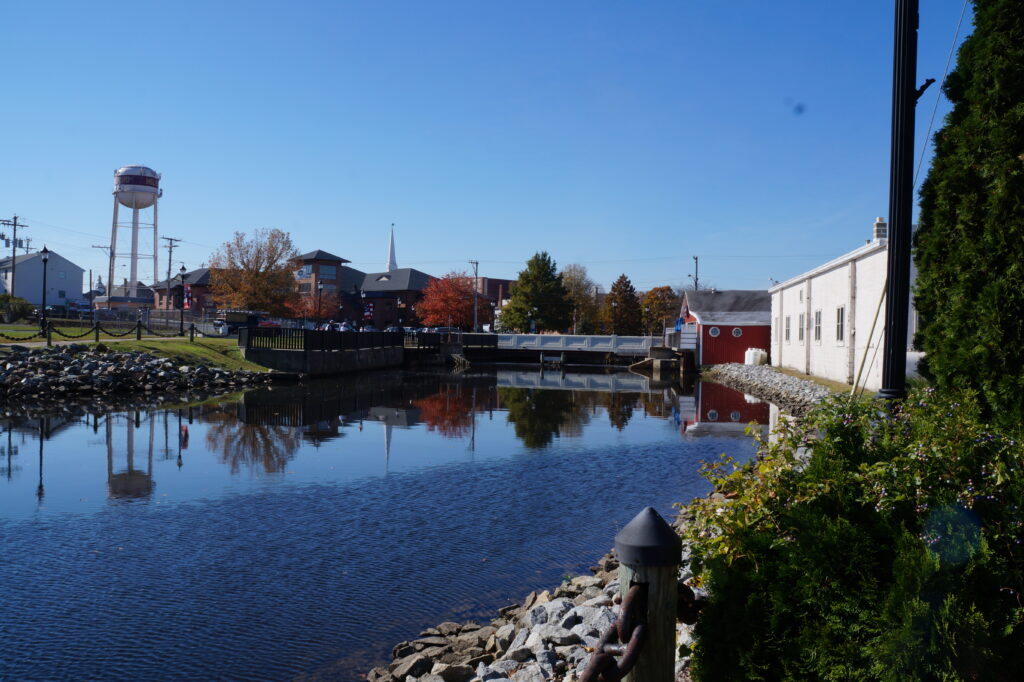
Milford itself experienced those divisions firsthand. As a growing agricultural and commercial town along the Mispillion River, the community was economically tied to surrounding farms and regional trade. Local residents held a wide range of political views, mirroring the broader debates taking place across Delaware. While many Milford-area men enlisted in Union regiments and served throughout the war, others opposed Lincoln’s policies or believed individual states should retain broad authority over their own affairs. Although no major battles were fought in Delaware, the Civil War touched Milford through military service, political debate, economic change and the uncertainty that accompanied a nation at war.
A Milford native, McKain earned bachelor’s degrees in history education and political science, as well as a Master of Instruction, from the University of Delaware before completing a Master of Arts in American History at Gettysburg College.

After teaching middle and high school social studies for 10 years, he now serves as Social Science Department Chair and Collegewide Coordinator for K-12 Partnerships at Delaware Technical Community College’s Georgetown campus. He resides in Milford with his wife and two teenage children.
The presentation is part of the ongoing American History Series, a monthly collaboration between the Milford Museum and Milford Public Library. Held on the second Saturday of each month, the series explores topics in local, state and national history and is supported through a grant from the Delaware Heritage Commission.
For more information, contact the Milford Museum at (302) 424-1080 or email tom@milforddemuseum.org.