





 Milford Public Library and Milford Museum have partnered on a series designed for ages 12-21 on the History of Book Banning. The program will be held Monday, May 11 from 4 to 5:30 PM, Wednesday, May 27 from 4:30 to 5:30 PM, Tuesday, June 2 from 4 to 5:30 PM and Tuesday, June 9 from 4 to 5:30 PM.
“Each program in the series will cover a unique century and connect the past to the present-day book challenges and censorship,” Lea Rosell, Executive Director of the Milford Public Library said. “This series was made possible through the Books Unbanned Grant via the Brooklyn Public Library.”
The program includes a variety of historians, professors and librarians, including Pamela Ahern, Dr. Harvey Graff, Dr. Cynthia Newton, Kaitlyn Tanis, Jessica Dai and Elizabeth Mayer.
“Each speaker will have different activities with their presentations,” Rosell said. “Refreshments will be provided and prizes awarded to attendees.”
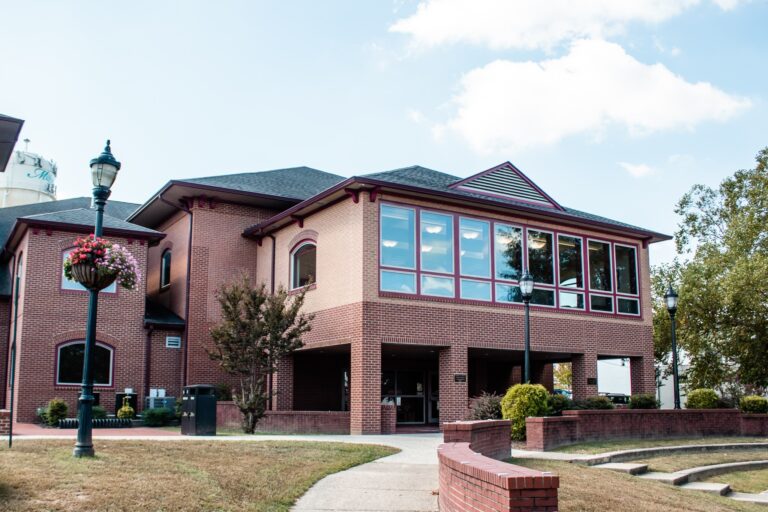
Attending each session is encouraged but not required, Rosell said. All of the programs will be at the Milford Public Library, 11 Southeast Front Street, Milford.
“I want teens and young adults to realize that the banning of books and challenges to books are nothing new and have been around for centuries,” Teen Services Librarian Amanda Robertson said.
As recently as 2014, Cape Henlopen School District removed The Miseducation of Cameron Post by Emily M. Danforth from the summer reading list, citing inappropriate language, resulting in backlash from students and the community. Caesar Rodney School District faced backlash from the community when it removed books by Chris Crutcher who writes young adult fiction due to language and content.
Delaware passed the 2025 Freedom to Read Act which requires a formal review before books can be removed based on religion, ideology or politics. In Delaware specific subject matter has been targeted including LGBTQ+ themes, race in American history and sexual content. Although the districts did not ban the books, in today’s atmosphere, removal from curriculum or reading lists and restricted access are viewed as a ban.
However, Robinson is correct that book banning is not new in Delaware. In 1873, the Comstock Laws banned books that contained what was called “obscene” material or those related to sexuality or contraception. The ban kept books from being mailed or distributed legally. In the early to mid-1800s, abolitionist materials were sometimes restricted or discouraged, although not formally banned in Delaware. By the 19th century, instead of banning, school librarians avoided adding material that was immoral or politically radical to the catalog.
Some examples of books banned in Delaware and other states include Fanny Hill by John Cleland, published in 1748, for its explicit sexual content. The book became a test case for obscenity censorship. Published in 1855, Leaves of Grass by Walt Whitman, faced repeated censorship and bans due to sexual imagery and indecent language. Fruits of Philosophy, published in 1832 and written by Charles Knowlton, was targeted under laws that restricted knowledge of reproduction. The book contained information on birth control.
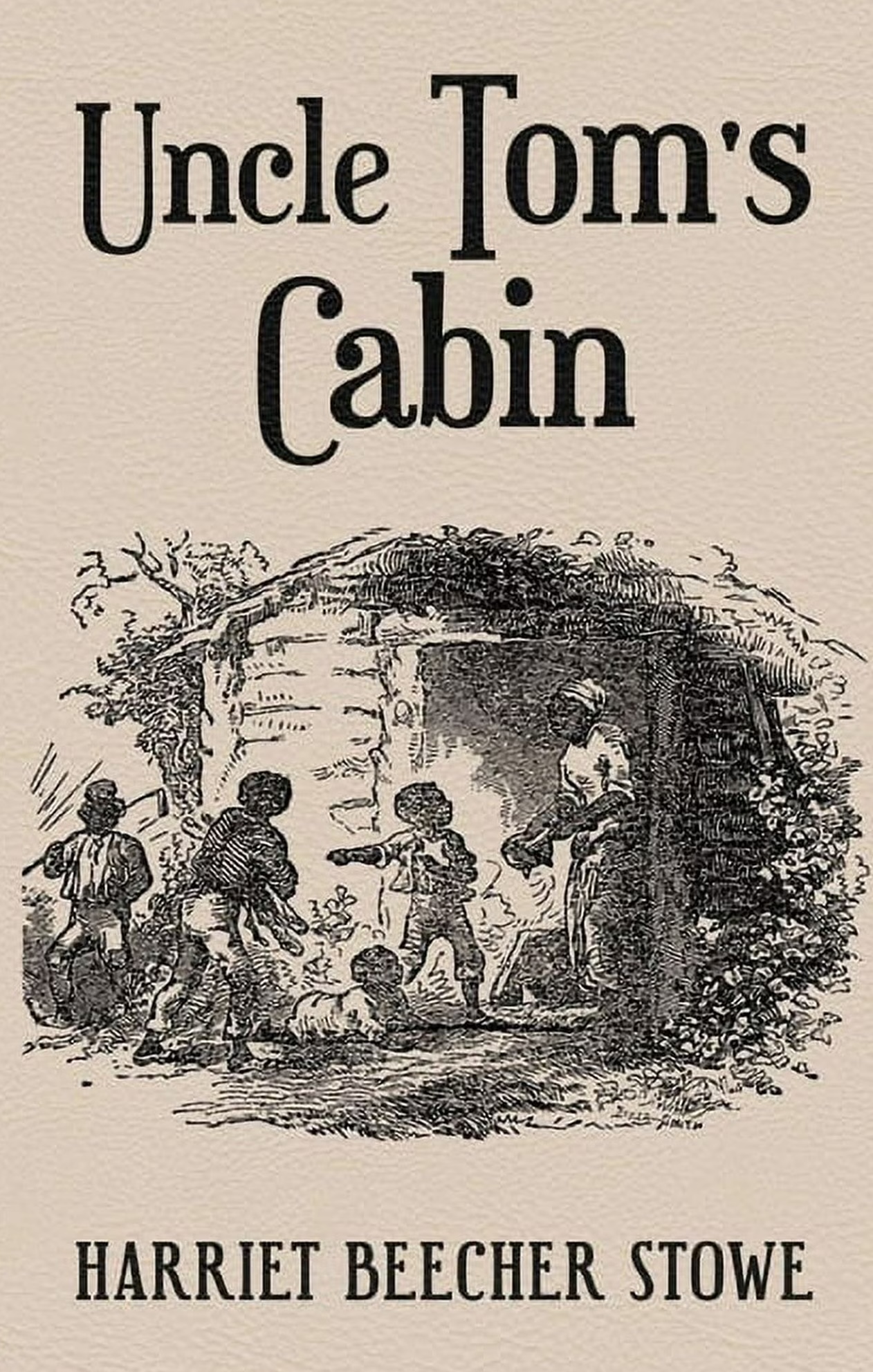
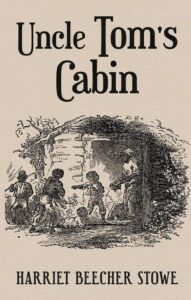
An example of how racism impacted book banning, Uncle Tom’s Cabin, written by Harriet Beecher Stow in 1852, was banned in parts of southern America due to the anti-slavery message. The same was true of The Impending Crisis of the South by Hinton Rowan Helper in 1857, which strongly criticized slavery was banned in many southern states.
The banning of these books may be discussed at the program. For more information, visit the Milford Library events page.