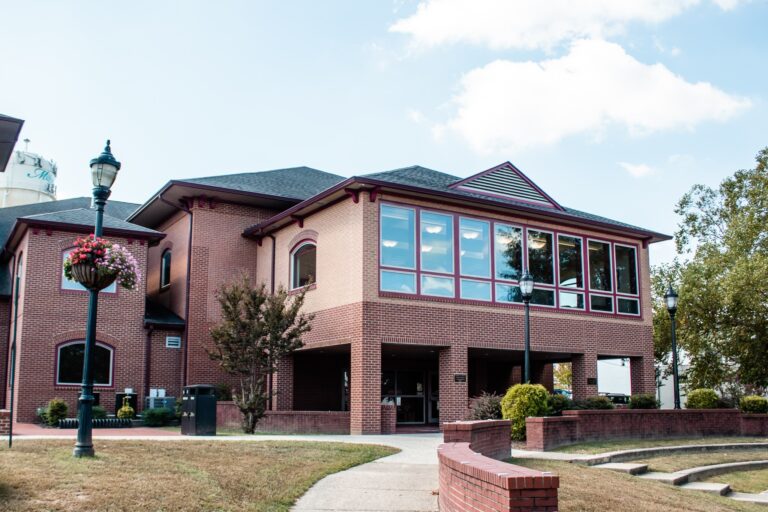







The Milford Museum American History Series will continue June 13 at 1 PM with a presentation examining one of the most iconic and debated moments of World War II history: the raising of the American flag on Battle of Iwo Jima. The program will take place at the Milford Public Library.
The program, titled The Flag Raising Controversy of Iwo Jima, will be presented by local historian and museum director Tom Summers. The presentation will focus on the famous photograph captured by Associated Press photographer Joe Rosenthal on Feb. 23, 1945, during the battle for the Japanese island of Iwo Jima. Widely considered one of the most recognizable images in American history, the photograph depicts six U.S. Marines raising an American flag atop Mount Suribachi after days of brutal combat.
The battle itself was among the bloodiest engagements fought by the United States Marine Corps during World War II. Located roughly 750 miles south of Japan, Iwo Jima was considered strategically vital because it provided airfields that could support American bombing missions and emergency landings for damaged B-29 bombers returning from raids over mainland Japan.
The invasion began on Feb. 19, 1945, with nearly 70,000 U.S. Marines assaulting heavily fortified Japanese defenses dug deep into volcanic rock and underground tunnel systems.
Over the course of five weeks of fighting, approximately 6,800 American service members were killed and nearly 20,000 wounded. Japanese casualties were even higher, with an estimated 18,000 to 21,000 soldiers killed during the battle. Historians often cite Iwo Jima as one of the clearest examples of the ferocity of Pacific Theater combat and the determination of Japanese forces defending the island.
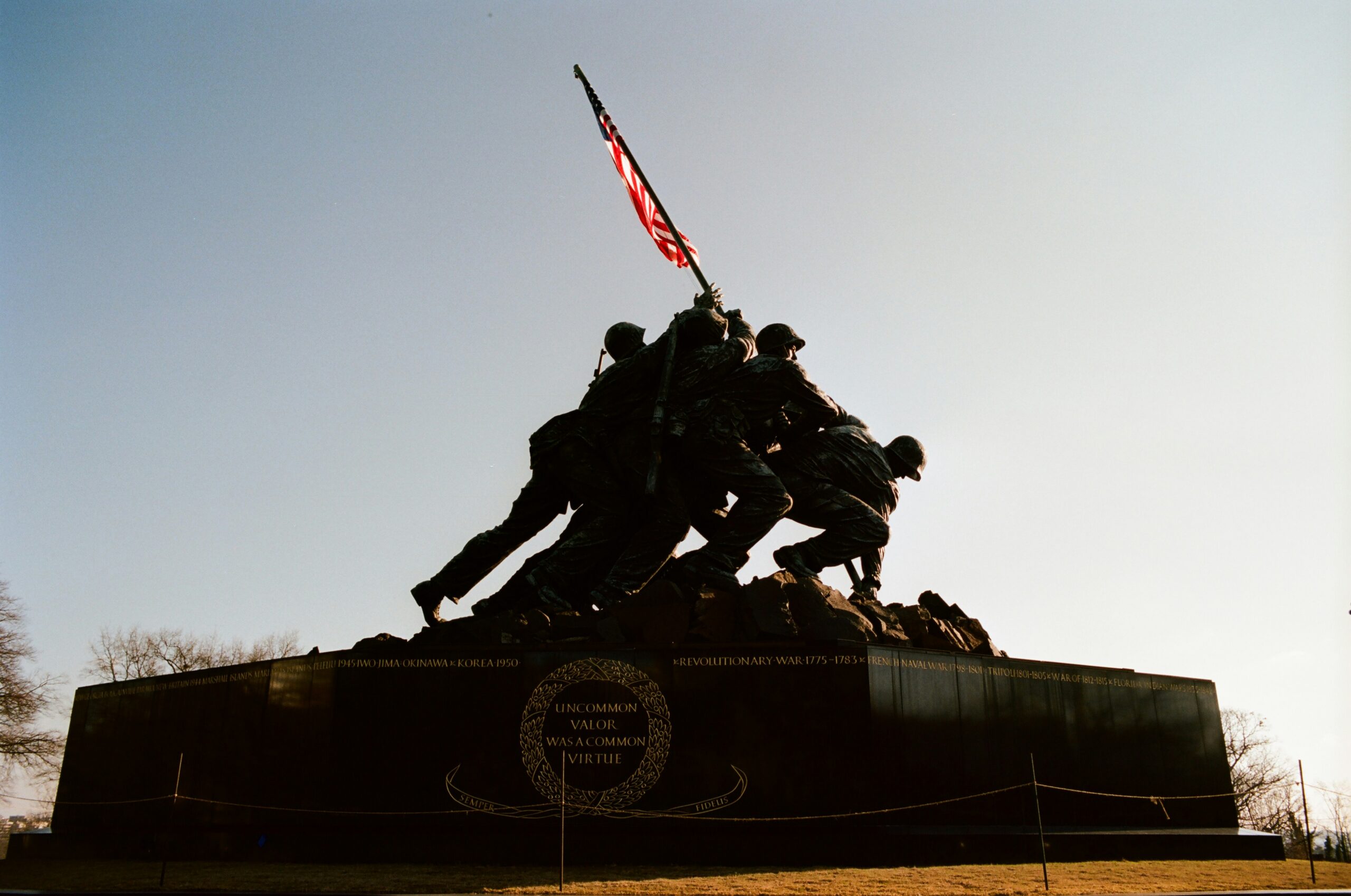
Rosenthal’s photograph of the flag raising quickly became a symbol of American perseverance and sacrifice during the war. The image won the Pulitzer Prize and was later immortalized in the Marine Corps War Memorial in Arlington, Virginia. However, controversy surrounding the identities of the men in the photograph continued for decades. Investigations conducted by the Marine Corps in the twenty-first century determined that some individuals originally identified in the image had been misidentified, leading to multiple official corrections regarding the servicemen who participated in the flag raising.
Summers’ presentation will examine both the historical significance of the battle itself and the evolving controversy surrounding the photograph and the identities of the Marines involved.
“A proud moment for the United States Marine Corps during World War II, the flag raising on February 23, 1945, became one of the defining images of the war,” Summers stated. “This presentation examines the background of the battle that led to the famous photograph, the details of the flag raising, and the history and controversy surrounding the identities of the men who participated in the event.”
Summers, a twelfth-generation Delawarean raised in Milford, has spent decades working in history and public education throughout Delaware. After earning a history degree from Washington College, he served in the U.S. Navy as an air traffic controller before beginning a long career with the Delaware Public Archives. During his tenure there, Summers served in roles including Historical Markers Coordinator, Education Specialist, and Outreach Services Manager.
In 2020, Summers joined Delaware State Parks as manager of the Cultural Resource Unit before retiring in 2023 and becoming part-time director of the Milford Museum later that year. He also continues teaching as an adjunct professor at Delaware Technical Community College, where he has instructed students for more than 24 years.
The Milford Museum’s monthly history programs are free and open to the public and are held on the second Saturday of each month at the Milford Public Library, located at 11 S.E. Front Street.
The series is supported through a grant from the Delaware Heritage Commission.
For additional information, contact the Milford Museum at (302) 424-1080, visit them online or send an email.