




With nymphs emerging in May or June and winged adults active from July to September, Delaware is in spotted lantern fly season. This insect is detrimental to the agricultural industry, and the Department of Agriculture reminds everyone that the insect should be exterminated as quickly as possible when seen.
The scientific name for the spotted lantern fly is Lycorma delicata, is an invasive plant hopper that attacks forests, ornamental trees, orchards, hops and grapes. In 2017, Delaware was the second state, only behind Pennsylvania to have found the insect.
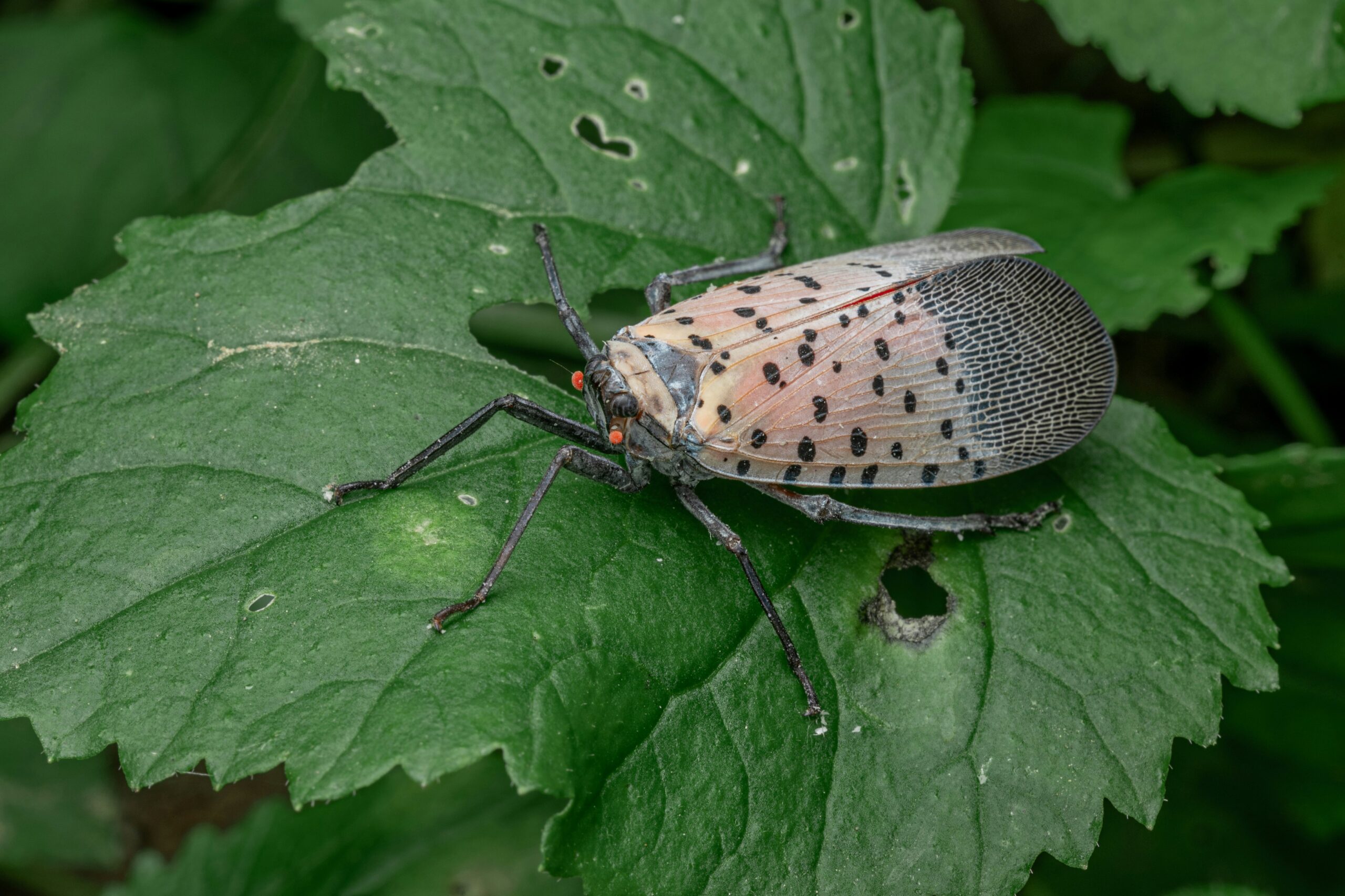
Native to China, India and Vietnam, the spotted lantern fly is a hitchhiker bug. Adults are around one inch long and about a half inch wide. The forewings are grey with black spots, and the hind wings are red with black spots. Adults have black heads and legs with a yellow abdomen with broad black bands. Immature stages are small, round and black with white spots. The red patches expand as they grow.
Scientists believe the spotted lanternfly requires feeding on the tree of heaven to reproduce, that they do not limit their diet to that type of tree. Egg masses are laid on trunks, branches and limbs of medium to large trees, usually in the upper reaches of the canopy. Nymphs hatch and move from the trees in the spring, searching for new hosts, including crops like grapes, apples and peaches.
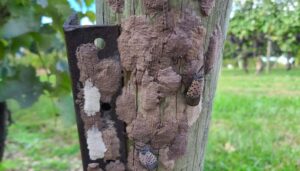
Trees of heaven are most susceptible to the insect, but willows and walnuts are also attractive to them. Trees infected by spotted lantern flies may develop weeping wounds with a greyish or black trail along the trunk. This is because the spotted lanternfly feeds through the bark using a piercing-sucking mouthpart tapped into the plant like a straw. As the insect feeds, it secretes a sticky, sugary water around the feeding site, encouraging the growth of black sooty mold. The substance is not harmful to humans, but damages plants. The sticky secretion can also appear on picnic tables and outdoor playground equipment, making it unusable. In addition, the sticky substance attracts wasps and ants.
Egg masses have the appearance of grey mud and those that are close to hatching have a segmented look. They may also appear on stone, outdoor furniture, vehicles and structures. Egg masses can be hard to spot which means they are easily transported to other areas. Delawareans are asked to destroy any egg masses quickly.
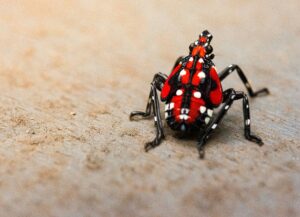
If you see a spotted lanternfly, the Department of Agriculture asks that you destroy it as quickly as possible. Egg masses can be scraped into a zipped plastic bag containing rubbing alcohol or alcohol-based hand sanitizer. Once they are submerged, crush the eggs and discard. Adults can be treated using products labeled for plant hoppers. The Department of Agriculture maintains a list of approved chemical treatments online.
The Department of Agriculture reminds residents that if they find plants infested with spotted lantern flies and they fail to apply control measures, the department may perform the control measures at the expense of the resident.