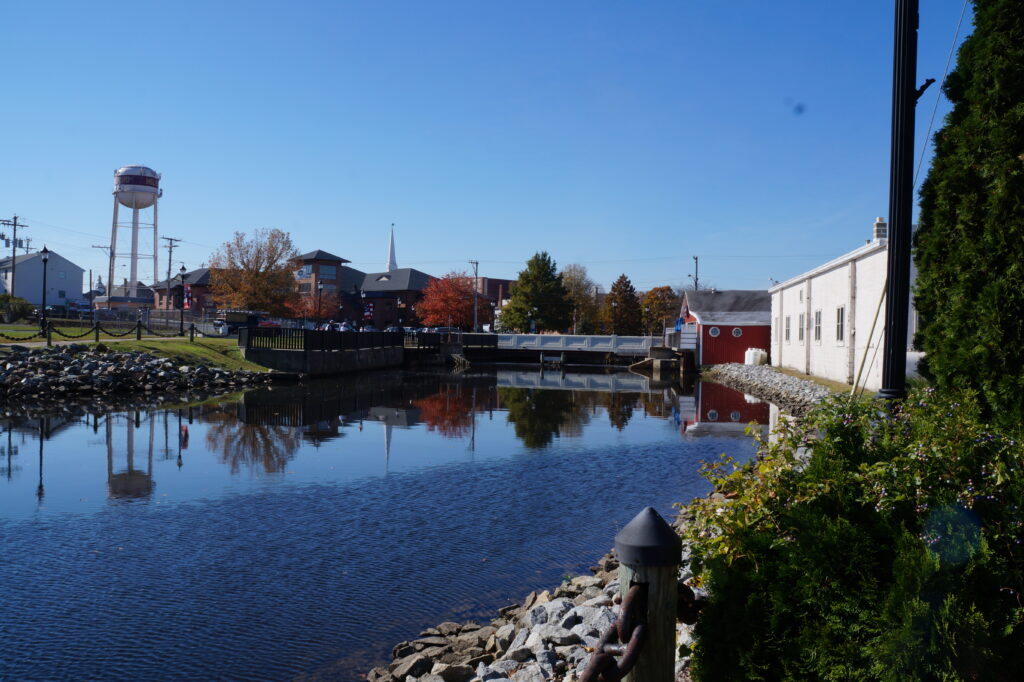


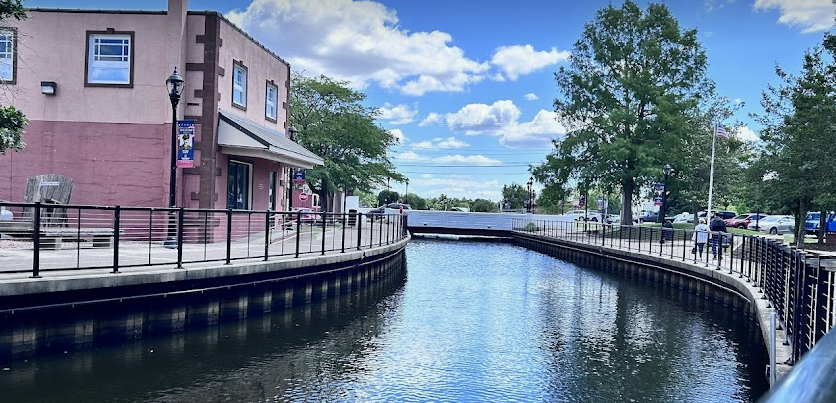


 The Mispillion River, nearby wetlands and forests surrounding Milford are home to far more wildlife than many residents realize. While white-tailed deer and squirrels are common sights, a surprising variety of birds, mammals and reptiles quietly thrive throughout the area, often going unnoticed by those who pass by every day.
Whether walking the Riverwalk, paddling the Mispillion, visiting Abbott’s Mill Nature Center, exploring Prime Hook National Wildlife Refuge or enjoying one of the area’s state parks, residents may encounter some remarkable wildlife if they know where to look.
Once uncommon in Delaware, river otters have made an impressive comeback thanks to conservation efforts and cleaner waterways. These playful mammals can occasionally be spotted swimming in the Mispillion River or nearby marshes during the early morning or evening. Their sleek bodies, long tails and curious behavior make them one of the area’s most entertaining wildlife sightings.
America’s national bird has become increasingly common throughout southern Delaware. Bald eagles are often seen soaring over the Mispillion River, Prime Hook National Wildlife Refuge and other nearby waterways searching for fish. Their six- to seven-foot wingspan makes them difficult to miss when they glide overhead.
Often mistaken for eagles, osprey are expert fish hunters that dive feet-first into the water to catch their prey. Several nesting platforms can be found throughout the Milford area, and it’s not unusual to see these impressive birds carrying fish back to their nests during the summer.
Standing nearly four feet tall, great blue herons patiently stalk fish along the edges of rivers, ponds and marshes. Their slow, deliberate movements often allow them to blend into the shoreline until they suddenly spear a fish with their long bills.
Unlike most turtles, diamondback terrapins spend much of their lives in the brackish marshes along Delaware’s coastline. These uniquely patterned turtles are occasionally seen near the tidal portions of the Mispillion River and surrounding wetlands during the warmer months.
Although primarily nocturnal, red foxes are sometimes spotted crossing fields or neighborhoods during the early morning hours. Their reddish-orange coats and bushy tails make them one of Delaware’s most recognizable wild mammals.
Known for their distinctive call that sounds like “Who cooks for you? Who cooks for you all?” barred owls inhabit wooded areas around Milford. While they are seldom seen during the day, patient observers may hear them calling after sunset.
Nearly the size of a crow, pileated woodpeckers are the largest woodpeckers commonly found in Delaware. Their bright red crest and loud hammering on dead trees often reveal their presence before they’re actually seen.
Often mistaken for beavers, muskrats are common residents of Delaware’s marshes. They build dome-shaped homes from cattails and other vegetation and are frequently seen swimming through wetlands with only their heads visible above the water.
Each summer, monarch butterflies visit Milford’s gardens, parks and fields before beginning their remarkable migration to Mexico in the fall. Planting native milkweed and nectar-producing flowers can help support these iconic pollinators throughout their journey.
Wildlife experts remind residents to observe animals from a safe distance and never feed wild animals. Summer is an excellent time to explore Milford’s natural areas, and with a little patience, visitors may discover that some of Delaware’s most fascinating wildlife has been living just beyond the walking trails all along.
Whether viewed from the Riverwalk, a kayak on the Mispillion or the trails of nearby nature preserves, these hidden residents serve as a reminder that Milford is not only rich in history, but also in the natural beauty and biodiversity that make the area a special place to call home.