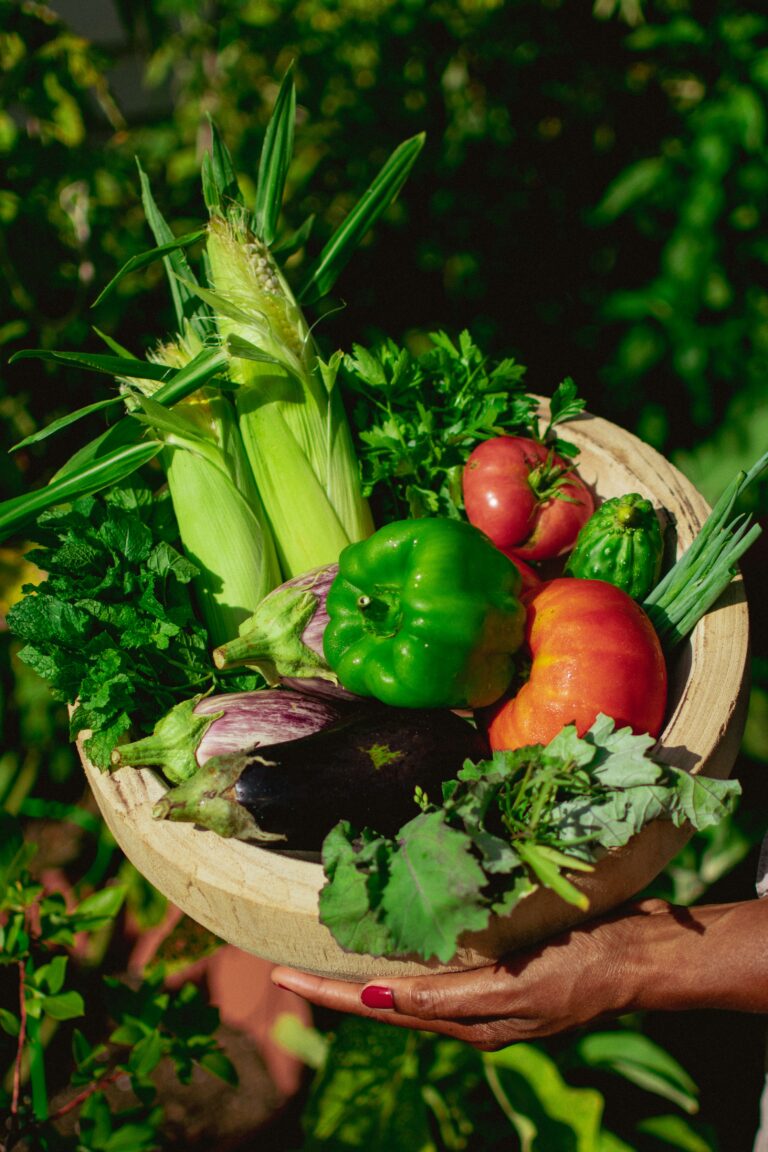




As summer gardens reach their peak, many home gardeners find themselves with more tomatoes, cucumbers, beans, and zucchini than they can use. Fortunately, there are several easy ways to preserve fresh vegetables so they can be enjoyed long after the growing season has ended.
Freezing is one of the simplest preservation methods. Vegetables such as green beans, corn, peas, broccoli, and carrots freeze well after being blanched. Blanching involves briefly boiling vegetables for a few minutes before immediately transferring them to ice water. This process helps preserve color, texture, and nutrients while slowing the enzymes that cause vegetables to deteriorate. Once cooled and dried, vegetables can be packed into freezer-safe bags or containers and stored for up to a year.
For gardeners with an abundance of tomatoes, canning is a popular option. Tomatoes can be preserved as whole tomatoes, sauce, salsa, or juice using a water bath canner when prepared according to tested recipes. Low-acid vegetables, such as green beans, corn, and carrots, require a pressure canner to safely eliminate harmful bacteria. Following research-based canning guidelines is essential to ensure food safety.
Another easy option is dehydrating. Herbs, peppers, tomatoes, onions, and mushrooms can be dried using a food dehydrator or a low-temperature oven. Once thoroughly dried, they should be stored in airtight containers in a cool, dark location. Dried herbs retain their flavor for months and make excellent additions to soups, sauces, and marinades.
If your cucumber vines are producing nonstop, consider making refrigerator pickles. Unlike traditional canned pickles, refrigerator pickles require no special equipment and can be enjoyed after just a day or two in the refrigerator. They typically remain fresh for several weeks.
Finally, don’t forget to share your harvest. Local food pantries, neighbors, churches, and community meal programs often welcome donations of fresh produce during the growing season. Sharing extra vegetables helps reduce waste while providing healthy food to others.
With a little planning, today’s summer harvest can provide delicious meals throughout the fall and winter. Whether you choose to freeze, can, dry, or pickle your vegetables, preserving your garden’s bounty is a rewarding way to make the most of the growing season.