




When someone passes away, one of the first questions families often face is, “What happens next?” If the deceased owned property in their name alone, their estate will likely go through a legal process known as probate. While the word can sound intimidating, probate is simply the court-supervised process of settling a person’s affairs, paying outstanding debts, and distributing remaining assets to heirs or beneficiaries.
“In Delaware, probate is administered by the Register of Wills in the county where the deceased lived,” Adam Crouse, an estate attorney with Aleman & Associates, said. “The Register of Wills is part of Delaware’s probate system and oversees the appointment of executors and administrators while ensuring estates are handled according to state law.”
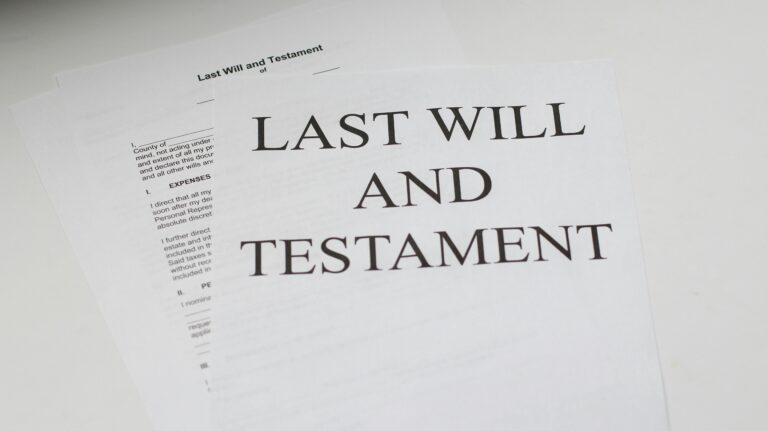
Probate is the legal process used to validate a will, identify and protect a person’s assets, pay valid debts and taxes, and distribute the remaining property according to the deceased’s wishes. If someone dies without a will, known as dying “intestate,” Delaware law determines who inherits the estate based on a statutory order of succession.
“It is important to remember that not every asset is subject to probate,” Crouse said. “Property held in a living trust, jointly owned property with rights of survivorship, life insurance policies with named beneficiaries, retirement accounts, and payable-on-death bank accounts generally transfer directly to the named beneficiary without going through probate.”
The probate process begins by filing the original will, if one exists, along with a certified death certificate, with the Register of Wills in the county where the deceased resided.
“In Delaware, a will should generally be filed with the Register of Wills in the county where the deceased was legally domiciled, which means their permanent residence, at the time of death, regardless of where the person actually died,” Crouse said. “For example, if a Milford resident who lived in Sussex County passed away while hospitalized in Wilmington, Maryland, or another state, the will would still be filed in the Register of Wills office for the county where they lived. The location of death does not determine where probate is opened; the decedent’s legal residence is the controlling factor. If the deceased owned real estate in another state, an additional proceeding known as ancillary probate may also be required in that state for the transfer of that property.”
If there is a will, the person named as executor petitions to be appointed. Once approved, the Register of Wills issues Letters Testamentary, giving the executor legal authority to act on behalf of the estate. If there is no will, the court appoints an administrator and issues Letters of Administration.
The executor or administrator has a fiduciary duty to act in the best interests of the estate and its beneficiaries. Their responsibilities include locating and securing estate assets, opening an estate bank account, notifying beneficiaries and creditors, preparing an inventory of estate assets, paying legitimate debts, taxes and administrative expenses, filing any required tax returns, distributing the remaining assets according to the will or Delaware law and filing the necessary reports to close the estate.
Executors are responsible for handling the estate carefully and keeping accurate financial records throughout the process.
Not every estate requires formal probate.
Delaware offers a simplified procedure for qualifying small estates. For people who died on or after June 10, 2026, a Small Estate Affidavit may be used if the estates solely owned personal property is valued at $50,000 or less and the deceased did not own real estate solely in their name. The affidavit allows eligible heirs or the named executor to transfer assets without opening a full probate estate.
This process can often save families considerable time and expense.
The length of probate depends on the complexity of the estate.
A straightforward estate may be completed in several months, while larger or contested estates may take a year or longer. Factors that can delay probate include disputes among heirs, difficulty locating assets, creditor claims, tax issues, or litigation involving the estate.
Some assets avoid probate automatically, and many people use estate planning tools to reduce the amount of property that passes through probate. Living trusts, joint ownership arrangements, beneficiary designations, and transfer-on-death accounts are common methods used to simplify the transfer of assets after death.
However, even with careful planning, probate may still be necessary for assets owned solely by the deceased.
Although probate is sometimes viewed as burdensome, it serves an important legal purpose. The process helps ensure debts are paid, protects the rights of heirs and beneficiaries, prevents fraud, and provides a clear legal mechanism for transferring ownership of property.
Understanding the probate process before it becomes necessary can make an already difficult time a little easier to navigate. Contact Crouse at Aleman & Associates to learn more about probate, wills and estate planning. Call 302-990-8801, visit them online or send an email.