




Last week, Delaware Department of Natural Resources and Environmental Control (DNREC) announced 12 organizations in the state will share in $523,179 in grant funding. One Milford organization, Milford Housing Development Corporation (MHDC), received one of the awards. The funding comes from fines and penalties for environmental violations throughout the state.
“The penalty money the Community Environmental Project Fund (CEPF) has invested in these community projects, particularly the past few years, attests to the state’s and DNREC’s commitment to environmental justice,” DNREC Secretary Greg Patterson said. “That commitment is a priority for DNREC as we help empower communities to shape or reshape their environment.”
Additional funding was made available this year through House Bill 210, known as the Pollution Accountability Act, which increased the percentage of penalty funds that are returned to communities from 25 percent to 40 percent.
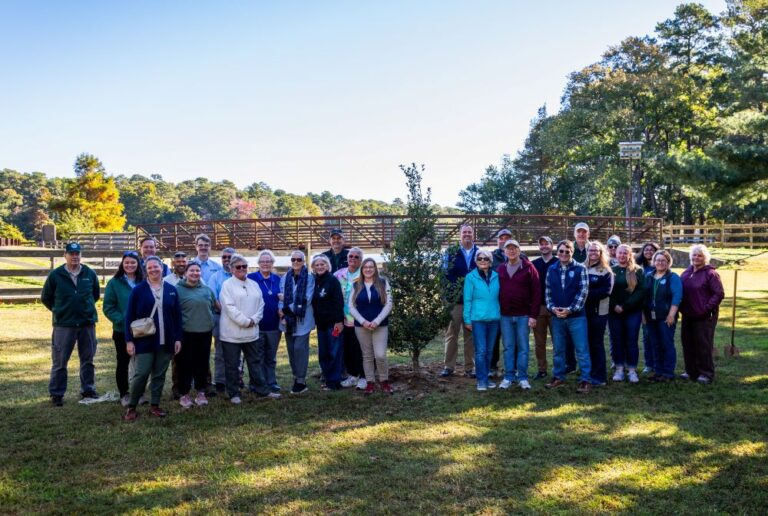
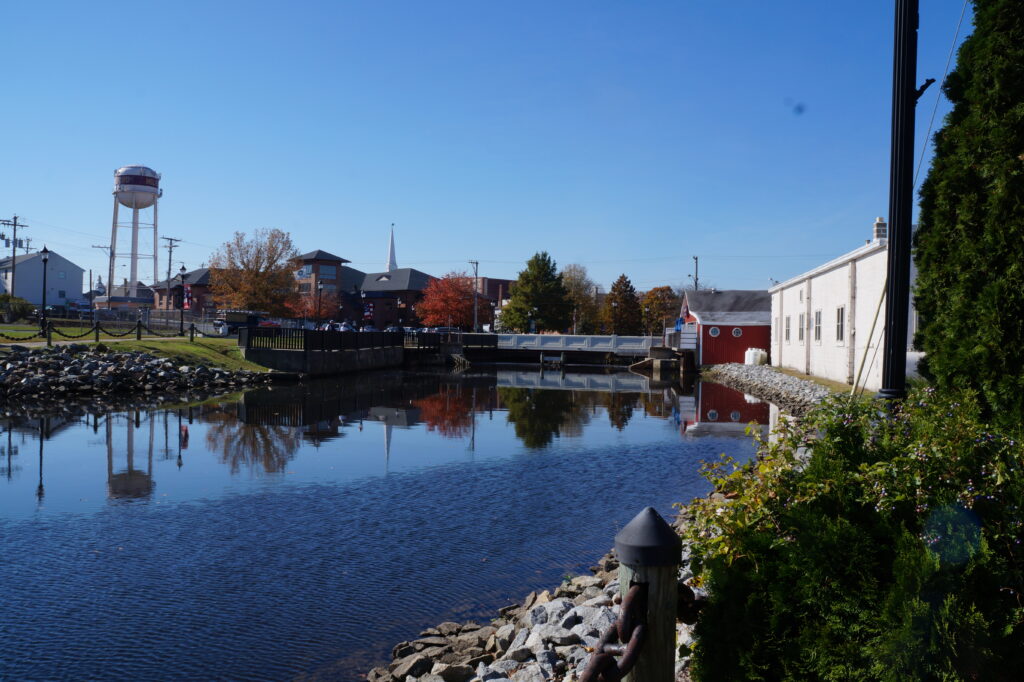
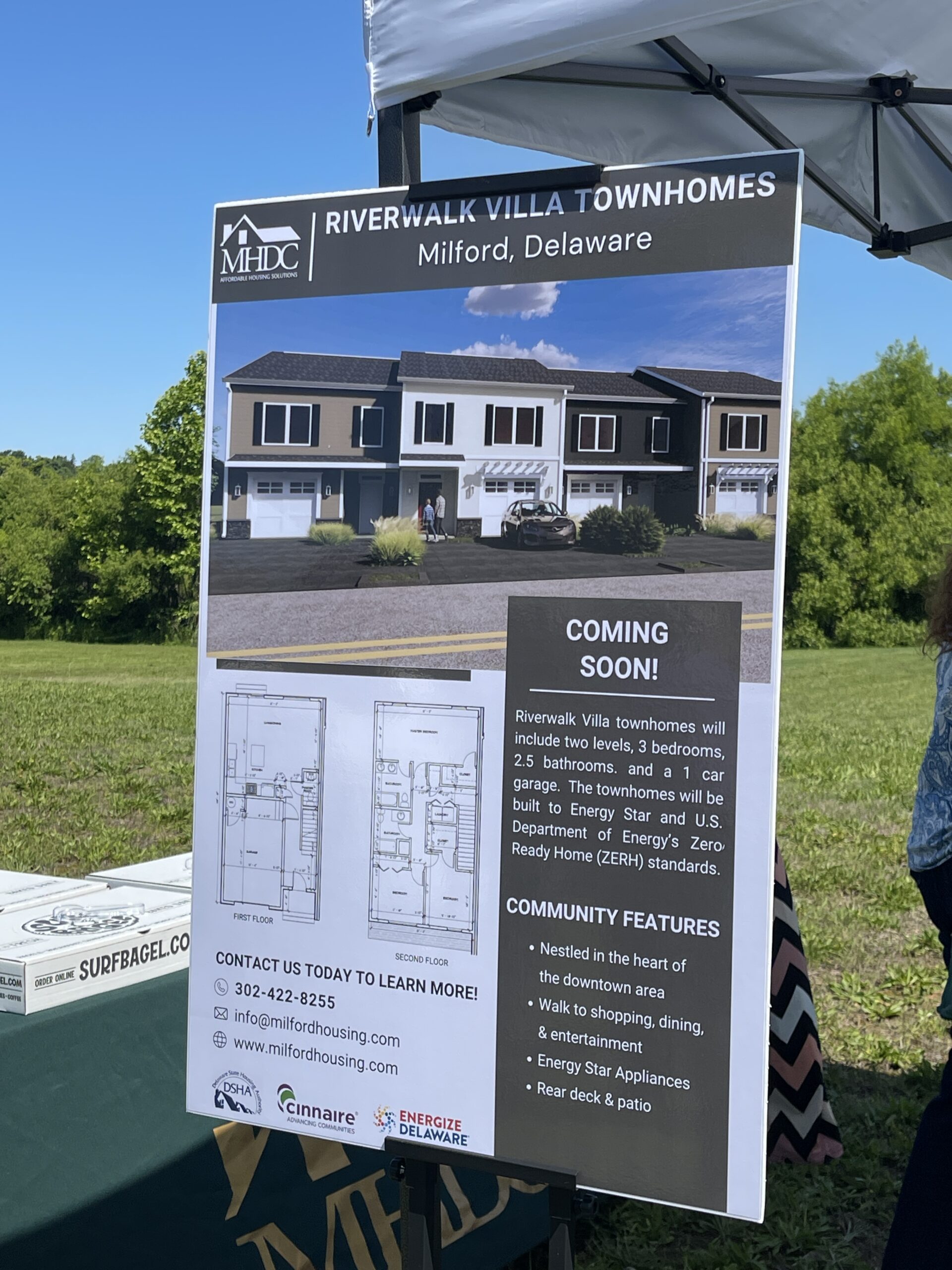
MHDC was awarded $50,000 for the Riverwalk Green Connections & Resilience Project which will engage Milford residents in co-designing public green infrastructure along the Mispillion Riverwalk near Riverwalk Villas, an affordable housing project that broke ground last year in south Milford.
CEPF funding complements related Riverwalk Investments and will fund native and pollinator plantings, small rain gardens, interpretive signage, environmental workshops, volunteer stewardship and practical maintenance planning through 2027. The project will reduce polluted runoff, improve habitat, expand welcoming green space and build neighborhood capacity to care for visible public improvements.
Other organizations to receive grant funding were the City of Delaware City, Community Revitalization Corporation Inc., Delaware City Library, Delaware’s First Recilience Hub, End Community Violence Now, Jumpstart Kent County, Southbridge Community Development Corporation, Sussex Health and Environmental Network, Teach21 Enrichment, West End Neighborhood House and Wilmington Alliance.
“The applications are evidence that community groups and municipalities are taking action to improve their quality of life and to protect and bolster their environment,” DNREC Environmental Justice Coordinator Dr. Katera Moore said. “Additional funding through the Pollution Accountability Act also reflects how the state and DNREC are marshalling more resources to make redress to communities impacted by environmental pollution.”
More information on projects funded by the CEPF can be found online.