






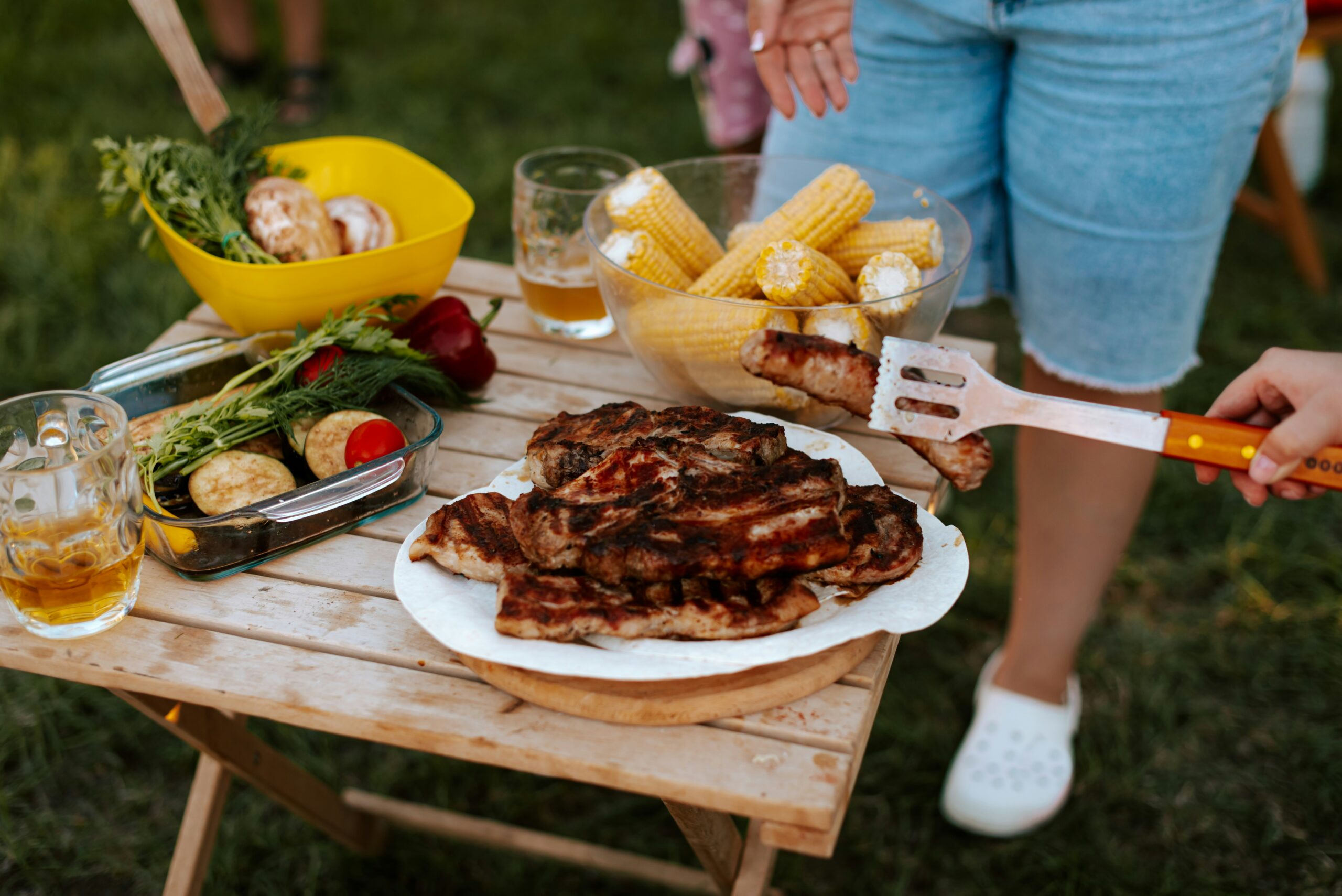


With Labor Day celebrations planned this weekend, many people are planning backyard cookouts, family gatherings and tables filled with burgers, chicken, salads and other favorites. With warm temperatures, food left out can also create the perfect condition for bacteria to grow. A few simple precautions can help you prevent illness caused by bacteria.
One of the most important rules for outdoor dining is to keep track of how long food has been out. Perishable food should not remain at room temperature for more than two hours. If temperatures climb above 90 degrees, bring them inside within an hour.
It is important to remember that this does not only apply to mayonnaise-based foods like macaroni and potato salad. Meat, poultry, eggs, dairy products, fruit and many prepared dishes can become unsafe when left unrefrigerated too long. Instead of putting all foods out at once, consider serving smaller portions. Put perishable foods into smaller containers and exchange them once they are out an hour or two.
Cold foods should be kept at 40 degrees or below. For a backyard gathering, leave items in the refrigerator or cooler until shortly before serving. At a picnic or park, be sure the cooler has plenty of ice or ice packs. Keep in mind that opening the cooler often allows warm air to enter. Put drinks in coolers separate from food as guests will reach for beverages often.
Color alone is not a reliable way to determine whether meat is safely cooked. A food thermometer takes away the guesswork. Ground beef should reach an internal temperature of 160 degrees while poultry should reach 165 degrees. Steaks, pork chops and other cuts of meat should reach at least 145 degrees. When testing the meat, insert the thermometer into the thickest part of the meat and avoid the bone when possible.
One mistake often made at a barbecue is using the same tray to carry meat to the grill as you use to bring the cooked meat inside. Unless you have washed the plate with soap and water between the raw meat and the cooked meat, you could be risking bacteria contamination.
Keep raw meat separated from ready-to-eat foods such as salads, fruit, cheese and desserts. In addition, keep different types of meat separated from each other. Raw beef on one plate, raw chicken on another and raw seafood on a third. In the cooler, keep all meats inside sealed containers until ready to use.
Wash your hands thoroughly after touching raw meat and before touching any other food. If possible, wear gloves when handling raw meat for added protection. Be sure to wash any utensils and surfaces that raw meat touches as well.
If you are going to a picnic area, check to see if there is running water. If not, carry a jug of water along with soap for handwashing. Hand sanitizer is helpful but is not a suitable replacement for soap and water after touching raw meat.
Watermelon, cantaloupe and other fresh fruit are very popular at Labor Day picnics, but once they are cut, they need more attention. Wash whole produce before cutting it, even if the rind or peel is not eaten. A knife can transfer bacteria from the outside surface into the edible portion. Once cut, refrigerate fruit promptly and keep it chilled when serving outside.
One tip that can help keep foods cold longer is to use larger containers filled with ice and settle the perishable foods inside the ice in another bowl. There are also containers available for purchase that allow you to place ice in the bottom with a top bowl for serving.
When everyone has finished eating, don’t leave the table filled with food. Within an hour, begin dividing leftovers into smaller, shallow containers to place in the cooler or refrigerator. Smaller portions cool faster and that also makes it easier to send leftovers home to others.
When in doubt, throw it out. Food doesn’t have to smell bad or look spoiled to contain enough bacteria to make someone sick.
With just a little planning, a Labor Day picnic can end with happy memories of full bellies and good memories, not an upset stomach.