







With school back in session, weeknight evenings can quickly become a juggling act for families. Between homework, sports practices, after-school activities and getting everyone ready for the next day, finding time to prepare dinner can sometimes feel like one more assignment.
Fortunately, a family meal does not have to be complicated or take an hour to prepare. A few shortcuts and flexible meal ideas can help families put dinner on the table without relying on takeout every night.
Sheet-pan dinners are among the easiest options for busy evenings because the entire meal can cook at once. Chicken breasts or sliced sausage can be combined with potatoes and vegetables such as broccoli, carrots, peppers or green beans. Toss everything with a little olive oil and preferred seasonings before roasting it together.
The same idea works with fish, particularly salmon, which cooks relatively quickly. Add a vegetable and small potatoes to the pan and there are also fewer dishes waiting after dinner. Families can save even more time by cutting vegetables over the weekend or purchasing fresh or frozen vegetables that are already prepared.
Tacos are popular with many families because everyone can build their own, but the same ingredients can be used in several different ways. Cook ground beef, turkey or chicken and set out shredded cheese, lettuce, tomatoes, salsa, beans and other favorite toppings. Family members can use the ingredients for traditional tacos, taco salads, burritos or rice bowls.
Making extra meat also provides the foundation for another meal later in the week. Refrigerate or freeze leftovers promptly and use them for nachos, quesadillas or another quick dinner.
There is no rule that eggs must be served in the morning. Scrambled eggs, toast and fresh fruit can become dinner in minutes. Families with a little more time can add pancakes, waffles or breakfast potatoes. An omelet or frittata is also a good opportunity to use vegetables, cheese or cooked meat left in the refrigerator. Breakfast-for-dinner nights can be particularly useful toward the end of the week when groceries are running low.
A prepared rotisserie chicken can become the basis for several quick meals rather than simply being served as chicken. Serve some of the chicken the first night with vegetables and rice or potatoes. Remaining chicken can be shredded and used for sandwiches, wraps, quesadillas, salads or pasta. It can also make a quick chicken soup. Combine shredded chicken with broth, frozen vegetables and noodles or rice for an easy meal on a cooler evening.
Pasta remains a reliable choice when time is limited, but it doesn’t have to mean spaghetti every week. Cook a large pot of pasta and allow family members to choose what goes with it. Options might include marinara or Alfredo sauce, pesto, cooked chicken, meatballs, Parmesan cheese and vegetables. For an especially quick meal, toss pasta with olive oil, garlic, Parmesan and cooked vegetables. A simple salad and bread can round out the meal without adding much preparation time.
For families who have a few minutes in the morning, a slow cooker can eliminate much of the evening rush. Chili, pulled chicken, soups, stews and pot roast can cook throughout the day and be ready when everyone gets home. Slow-cooker shredded chicken is especially versatile. Chicken cooked with seasonings and a small amount of broth can later be used for sandwiches, tacos, rice bowls or salads.
Even the best-planned week can go sideways. Keeping ingredients for two or three extremely easy meals on hand can prevent a stressful evening from turning into an expensive last-minute trip through the drive-through.
Frozen vegetables, pasta, jarred sauce, canned beans, rice, eggs, shredded cheese and frozen chicken are useful staples. Even something as simple as grilled cheese with tomato soup can provide a warm family dinner on a particularly hectic night.
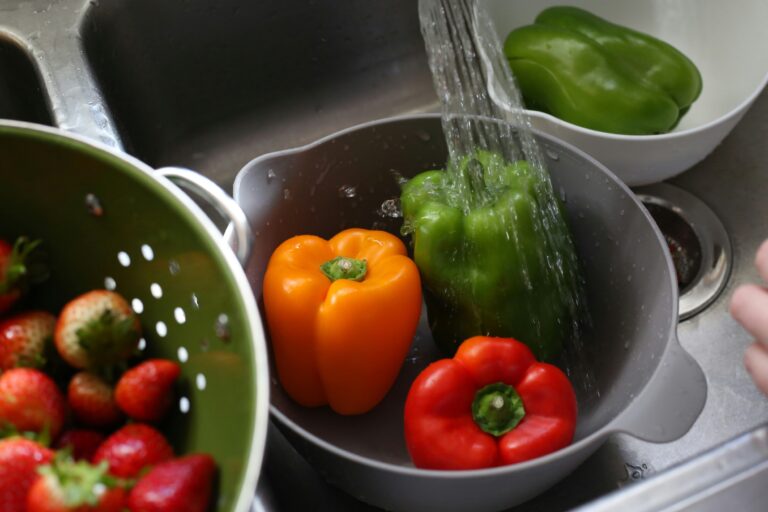
Dinner preparation does not have to fall entirely on one person. Depending on their ages, children can wash vegetables, set the table, measure ingredients, assemble salads or prepare toppings. Older children and teenagers can take responsibility for preparing a simple side dish or even one dinner each week. Getting children involved can also make them more interested in eating what is served, particularly when they are allowed to make some of the choices.
Most importantly, families should not feel pressured to make every weeknight dinner elaborate. A sandwich, bowl of soup or plate of scrambled eggs can still be a family meal. During busy school weeks, the goal doesn’t have to be creating the perfect dinner. Sometimes getting everyone around the table for a few minutes at the end of the day is accomplishment enough.