






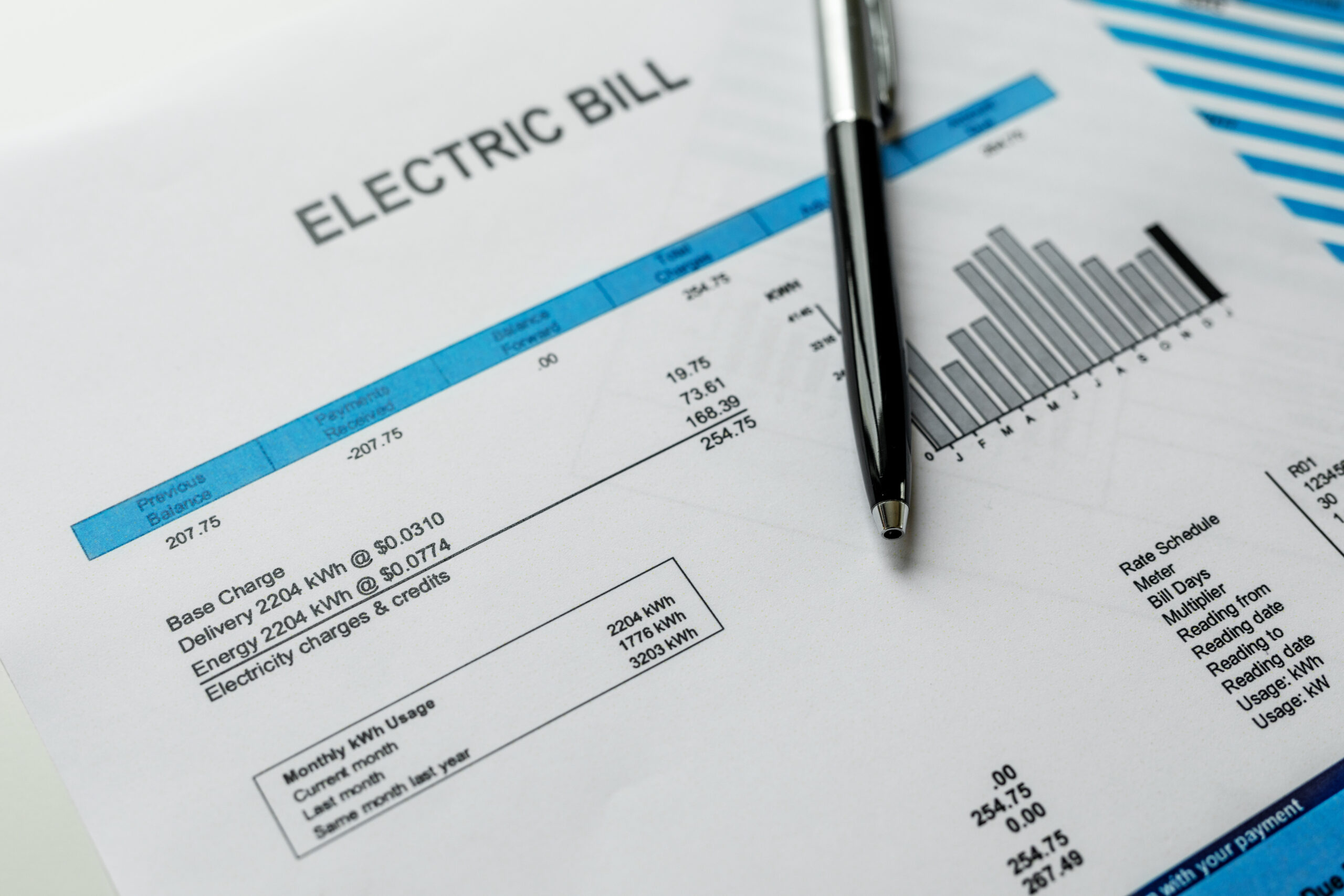


As loved one’s age, they may begin to put aside important matters, including managing their finances. If you begin to see overdue utility bill notices, stacks of unopened mail when you visit or other signs that an older person is no longer managing their finances, it may be time to consider assisting them.
This can be a difficult conversation, but it is important to know that it can be done in increments. There is no need to take over everything all at once. By taking small steps, you can respect your loved one’s independence but make sure they are financially protected.
Monthly or every other month, talk about finances with your loved one. Talk to them about the payments they were supposed to make and review accounts to be sure they have done so. Have your name added as a “trusted contact” on financial accounts so the bank or credit card company can reach out to you if something looks suspicious or unusual.
Set up automatic bill pay to cover utilities, insurance, phone, internet or other bills that allow the service. Autopay ensures essentials are covered no matter what. Consider pairing this with paperless statements. If possible, have the email or a second copy sent to your email as well.
If you do not live nearby, consider hiring help. Accountants and financial managers often offer bill paying and expense tracking services. There may also be a non-profit that offers this assistance.
Discussing finances with a loved one is never an easy conversation, especially if their cognitive abilities have started to slip. However, by putting safeguards in place, you can help your older relative or friend avoid what could be catastrophic consequences, such as the loss of utilities or repossession of a vehicle.
For more information on how to help loved ones manage finances when necessary, contact Delaware Hospice.