





As temperatures rise across the region, a ChristianaCare emergency medicine physician Dr. Daniel Mongeon is urging residents to take precautions before extreme heat leads to serious health emergencies. Mongeon said heat-related illnesses are largely preventable, but only if people recognize the risks and act early.
“As an emergency medicine physician at ChristianaCare, I see what extreme heat does to people every summer,” Mongeon said. “By the time someone arrives in my emergency department with heat-related illness, we’ve already missed the best opportunity to help them.”
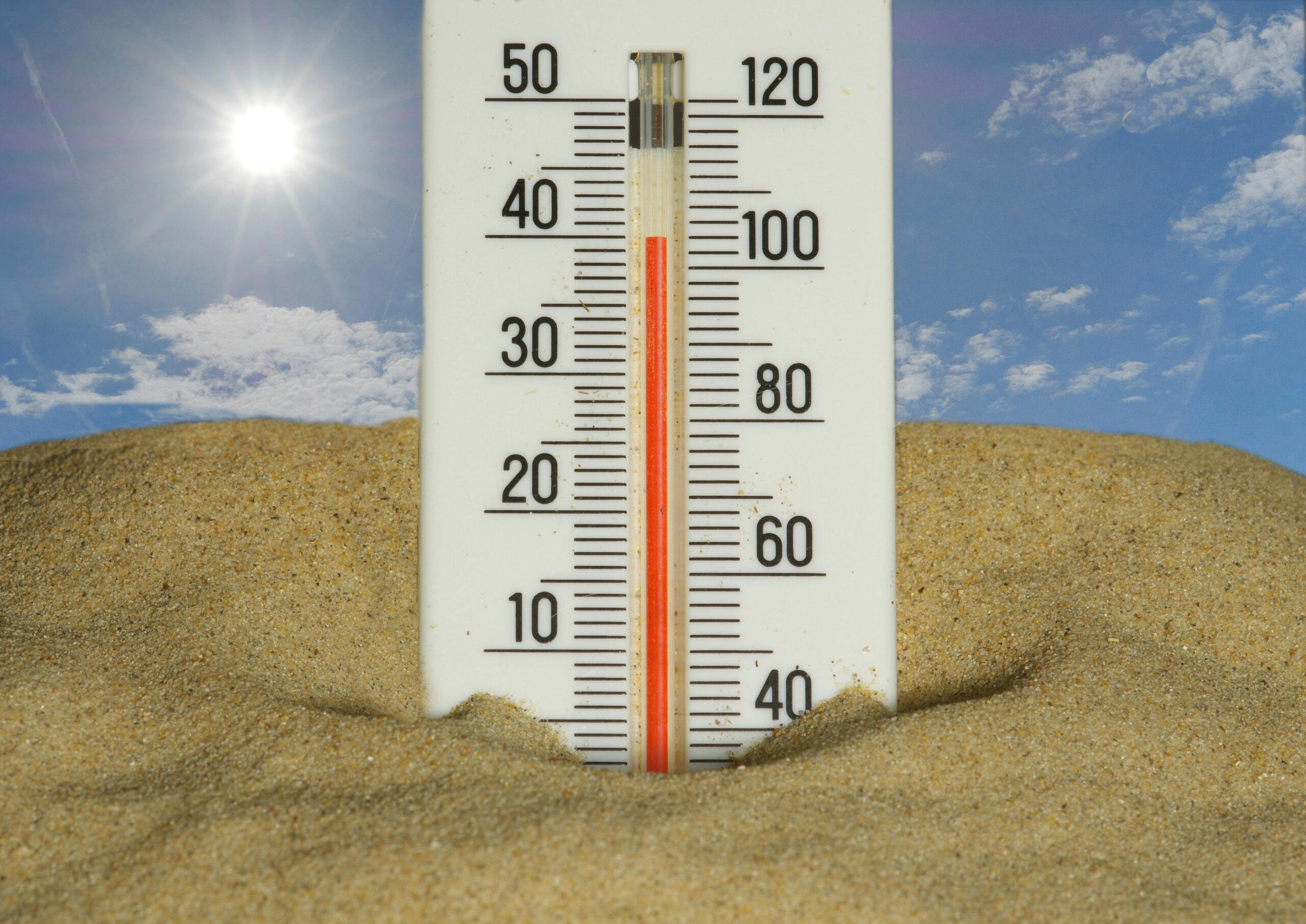
According to Mongeon, extreme heat remains the leading cause of weather-related deaths in the United States. He said older adults, outdoor workers, people with chronic medical conditions, and individuals without reliable access to air conditioning are among those most vulnerable.
“Most heat-related emergencies are preventable, but only if we act before the temperature makes the decision for us,” he said.
Heat places significant stress on the body, increasing strain on the heart and lungs and worsening chronic conditions such as diabetes and kidney disease. Mongeon noted that humidity, direct sunlight, and elevated overnight temperatures can make conditions even more dangerous by preventing the body from recovering.
He encouraged residents to learn the warning signs of heat-related illness. Symptoms of heat exhaustion may include heavy sweating, weakness, dizziness, nausea, and a rapid pulse. Heat stroke, however, is a medical emergency.
“Heat stroke is a medical emergency,” Mongeon said. “Watch for confusion, slurred speech, seizures or hot, dry skin. Call 911 and begin cooling the person immediately.”
Mongeon also emphasized the importance of staying hydrated throughout the day, noting that thirst is often a sign that dehydration has already begun.
“Drink water regularly, not just when you’re outside,” he said. “Dark urine, headaches and muscle cramps are warning signs.”
In addition to protecting themselves, residents are encouraged to check on neighbors, family members, and others who may be at greater risk during periods of extreme heat.
“Many people won’t recognize their own risk or ask for help,” Mongeon said. “A phone call or a visit during a heat wave can be the difference between staying safe and ending up in the emergency room.”
He also recommends developing a heat emergency plan before temperatures climb. Residents without air conditioning should identify alternative cooling locations such as libraries, community centers, or the homes of friends and relatives. Fans can help, but Mongeon noted they are often insufficient when temperatures exceed 95 degrees.
Finally, Mongeon advises residents to discuss medications with their healthcare providers, as some common prescriptions can increase the risk of dehydration or interfere with the body’s ability to regulate temperature.
“The best emergency is the one that never happens,” Mongeon said. “The more we normalize planning, checking in and acting early, the fewer patients I’ll see when it’s already too late.”