






 Researchers at ChristianaCare’s Helen F. Graham Cancer Center & Research Institute have identified a genetic pattern that may help explain how colorectal cancer develops, why some tumors become more aggressive than others, and how long patients are likely to survive.
The findings, published in Stem Cells Translational Medicine, center on a group of developmental genes known as HOX genes, which play a critical role in embryonic development. Researchers found that when normal cellular signaling pathways become disrupted, colon stem cells stop maturing properly and begin to multiply uncontrollably. That process alters the activity of HOX genes, fueling cancer growth and resistance to treatment.
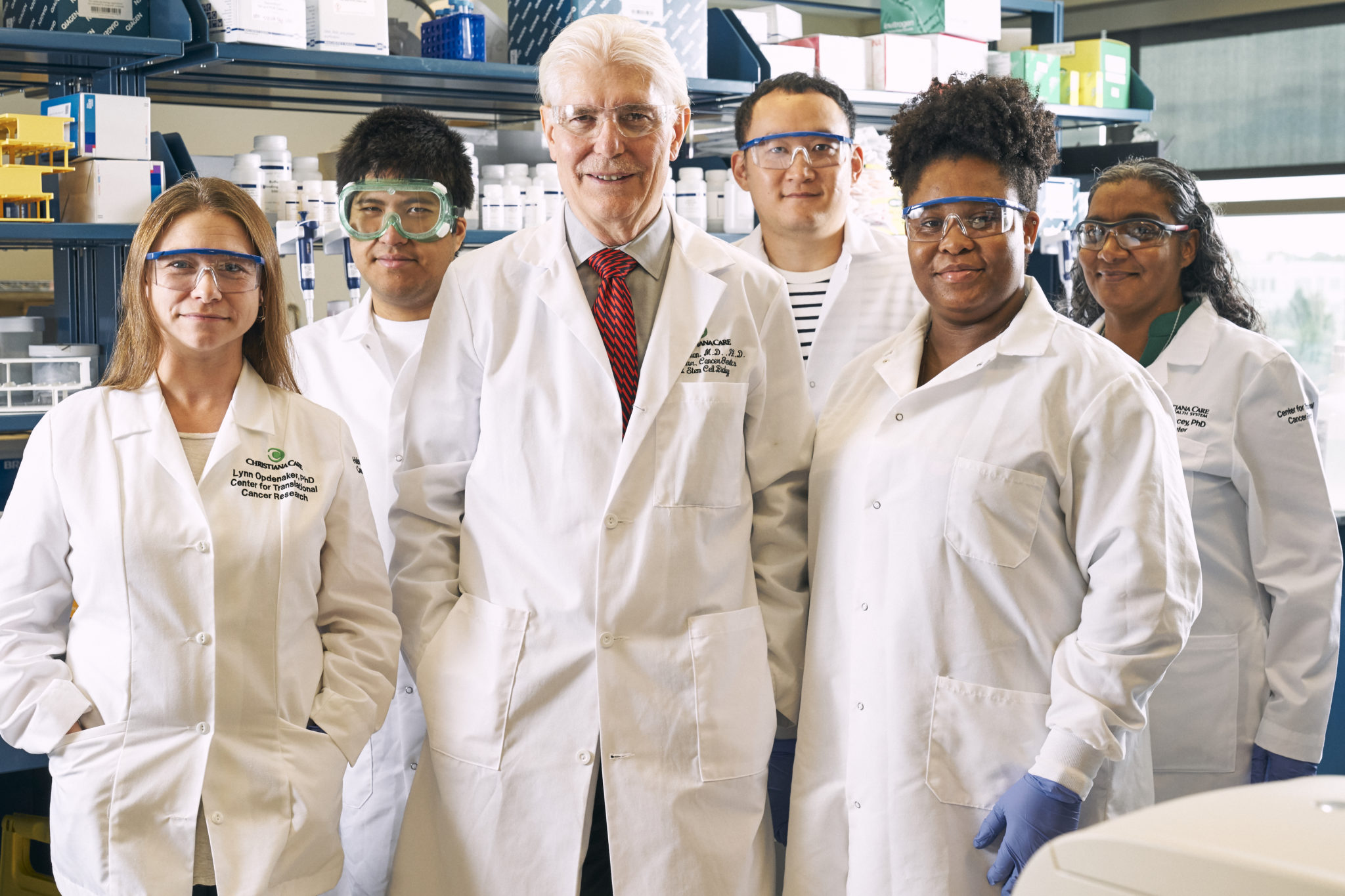
The study was led by Bruce Boman, M.D., Ph.D., MSPH, FACP, senior researcher at the Cawley Center for Translational Cancer Research. Boman and his team discovered that disruptions in the precise timing of HOX gene activity are closely linked to the development of colorectal cancer.
The researchers identified an eight-gene HOX signature that strongly predicts poor outcomes in colorectal cancer patients. Patients with this genetic pattern were more likely to develop aggressive disease and experience lower survival rates.
The findings build on earlier research published by the same team in January that examined “oncofetal reprogramming,” a process in which cancer cells reactivate genes normally active only during early development before birth. That earlier study found that these developmental programs give cancer cells stem-like characteristics that help them survive treatment and return after therapy.
“Cancer cells don’t just grow. They adapt by activating early developmental programs,” Boman said. “This flexibility helps them survive therapy.”
In the new study, researchers linked those developmental programs directly to HOX genes in colorectal cancer. They found that when WNT signaling becomes overactive and retinoic acid signaling is disrupted, colon stem cells fail to mature and instead continue multiplying, contributing to tumor growth.
“This explains why tumors that look similar can behave very differently in patients,” said Brian Osmond, Ph.D., lead author of the study. “The difference lies in which developmental program the cancer is using.”
By analyzing patient data, tumor samples and cancer stem cell populations, the team identified six HOX genes that were overactive in aggressive tumors and two protective genes that were underactive. The loss of those protective genes appeared to remove natural controls on cell growth.
Researchers also found that different cancer stem cell populations rely on different HOX genes. One group depends on HOXB genes commonly found in normal colon tissue, while another relies on HOXC genes that become highly active in cancer cells. According to the researchers, this diversity allows tumors to shift between different cellular states, helping them adapt and resist treatment.
“Cancer is not static,” Osmond said. “It shifts between cell states to survive.”
The findings may have important implications for future therapies. Because HOX genes are closely connected to WNT and retinoic acid signaling pathways, researchers believe future treatments could focus on restoring balance to those systems and limiting cancer’s ability to adapt.
“These cancers are using normal developmental tools in the wrong context,” Boman said. “If we can interrupt that process, we may be able to improve long-term outcomes for patients.”
Researchers say the study adds to growing evidence that successful cancer treatment may require targeting not only tumor growth but also the developmental programs that allow cancer cells to evolve, resist therapy and return after treatment.