




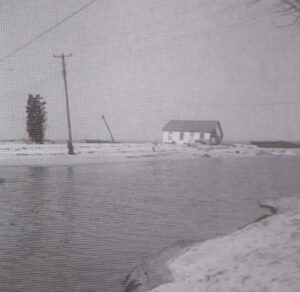
Hurricane season is underway, and while Delaware is not known for taking direct hits from major hurricanes, emergency officials say residents should not underestimate the impact that tropical storms, nor’easters and severe thunderstorms can have on the First State.
The Atlantic hurricane season runs from June 1 through Nov. 30, with activity typically increasing from August through October. Although many storms remain offshore or weaken before reaching Delaware, they can still bring heavy rain, damaging winds, flooding and extended power outages to communities throughout Kent and Sussex counties.
“People often hear the word ‘hurricane’ and think it only affects states farther south,” said Delaware emergency management officials in previous preparedness campaigns. “The reality is that Delaware experiences a variety of severe weather events that can have similar impacts.”
One of the biggest misconceptions is that hurricanes are the only storms worth preparing for. In reality, nor’easters—powerful coastal storms that typically occur during the fall, winter and spring—often produce many of the same hazards. Strong winds, heavy rainfall, coastal flooding, fallen trees and prolonged power outages are all common during these storms, even in inland communities like Milford.
Summer also brings frequent severe thunderstorms, which can develop rapidly and produce damaging straight-line winds, large hail, dangerous lightning, flash flooding and even isolated tornadoes. Unlike hurricanes, these storms often provide only minutes of warning before arriving.
Because severe weather can occur at any time, emergency preparedness experts recommend families begin planning long before a storm appears in the forecast.
A basic emergency kit should include at least three days’ worth of bottled water, nonperishable food, prescription medications, flashlights, extra batteries, a battery-powered or hand-crank weather radio, first aid supplies and portable chargers for cell phones and other electronic devices.
Residents should also keep their vehicles fueled whenever severe weather is predicted, as gas stations may lose power during widespread outages. Those who rely on electrically powered medical equipment should discuss emergency plans with their health care providers and utility companies before an emergency occurs.
Preparing a home is equally important. Homeowners should inspect roofs for loose shingles, clean gutters and downspouts, trim dead tree limbs and secure outdoor furniture, grills and decorations that could become dangerous projectiles during high winds. Checking sump pumps and ensuring drainage systems are functioning properly can also reduce the risk of flooding.
Families are encouraged to store important documents, including insurance policies, identification, medical records and financial information, in waterproof containers or secure digital storage. Taking photographs of a home’s interior and exterior before storm season can also simplify insurance claims should damage occur.
Flooding remains one of Delaware’s most common storm-related hazards. Emergency officials continue to remind drivers never to attempt crossing flooded roadways. Even shallow, moving water can sweep away vehicles, and floodwaters often conceal washed-out pavement or other hidden dangers.
Pet owners should also include animals in their emergency plans by keeping extra food, water, medications, vaccination records and carriers readily available. Identifying pet-friendly shelters before an evacuation becomes necessary can save valuable time during an emergency.
Families should also establish a communication plan that includes an out-of-town contact person and predetermined meeting locations if family members become separated. Signing up for local emergency alerts and monitoring reliable weather forecasts can provide critical information as storms approach.
While Delaware may avoid many direct hurricane landfalls, history has shown that tropical systems, nor’easters and severe thunderstorms can all bring significant impacts to the region. Spending a few hours preparing now can help Milford-area families respond more confidently when severe weather threatens, reducing stress and helping protect both lives and property throughout the storm season.