



Already passed by the Delaware Senate, the Delaware House passed Senate Bill 23, known as the Housing for Every Delawarean Act, that now mandates local jurisdictions to incorporate affordable housing plans into their comprehensive plans. The bill passed with bipartisan sport as a way to address the affordable housing crisis in the state.
Both Kent and Sussex County issued proclamations against the passage of the bill, claiming concerns over state overreach and erosion of local control. Sussex County has already begun adjusting zoning ordinances to address the lack of affordable housing. At a recent meeting, Kent County Planning Director Sarah Keifer told Kent County Levy Court that there was not a significant housing crisis in Kent County as there was in Sussex.
“I think we are situated better than the other counties,” Kieffer told commissioners. “There is a fair amount of older housing stock. We’re not in the position of Sussex County where the eastern part of the county is outrageously expensive. They have a real challenge and have lower housing stock overall. We haven’t been growing as fast as anyone else. You start removing barriers to housing and allow a diversity of housing types and the market will start to fill those. Remove demands and let the market work right.”
The bill, which is expected to be signed by Governor Matt Meyer, would require counties and municipalities of more than 2,000 to develop and incorporate an affordable housing plan into their comprehensive plans with the ultimate goal of reaching 20 percent affordable housing inventory. The comprehensive plan must be reviewed and certified by the Delaware State Housing Authority and undergo ongoing annual compliance, something Keiffer stated she was against when DSHA offered free assistance earlier this year.
“My objective to that was to stop bothering me with homework,” Kieffer stated. “I already have to do this with state planning, so ultimately the housing authority and state planning are just going to have to combine their reporting.”
The bill will also require jurisdictions with more than 10,000 residents to identify at least one zoning district where supportive housing, such as emergency shelters and group homes, are permitted by right. Localities are also required to adopt at least five out of ten specific measures, from waiving impact fees, expediting the building approval process or allowing higher residential densities. State agencies will also be prohibited from providing infrastructure or financial assistance to local development projects that fail to align with the comprehensive housing plan.
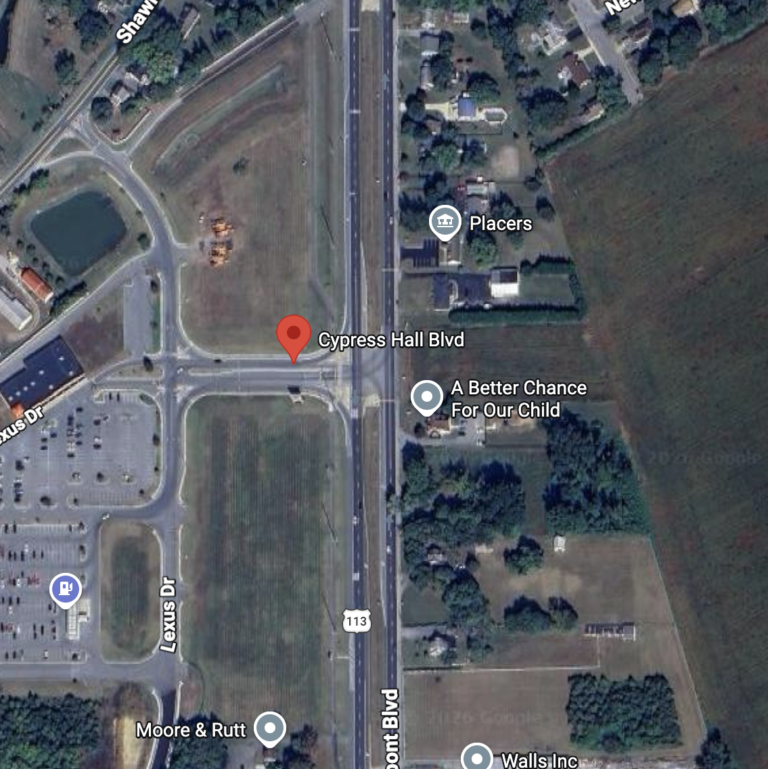
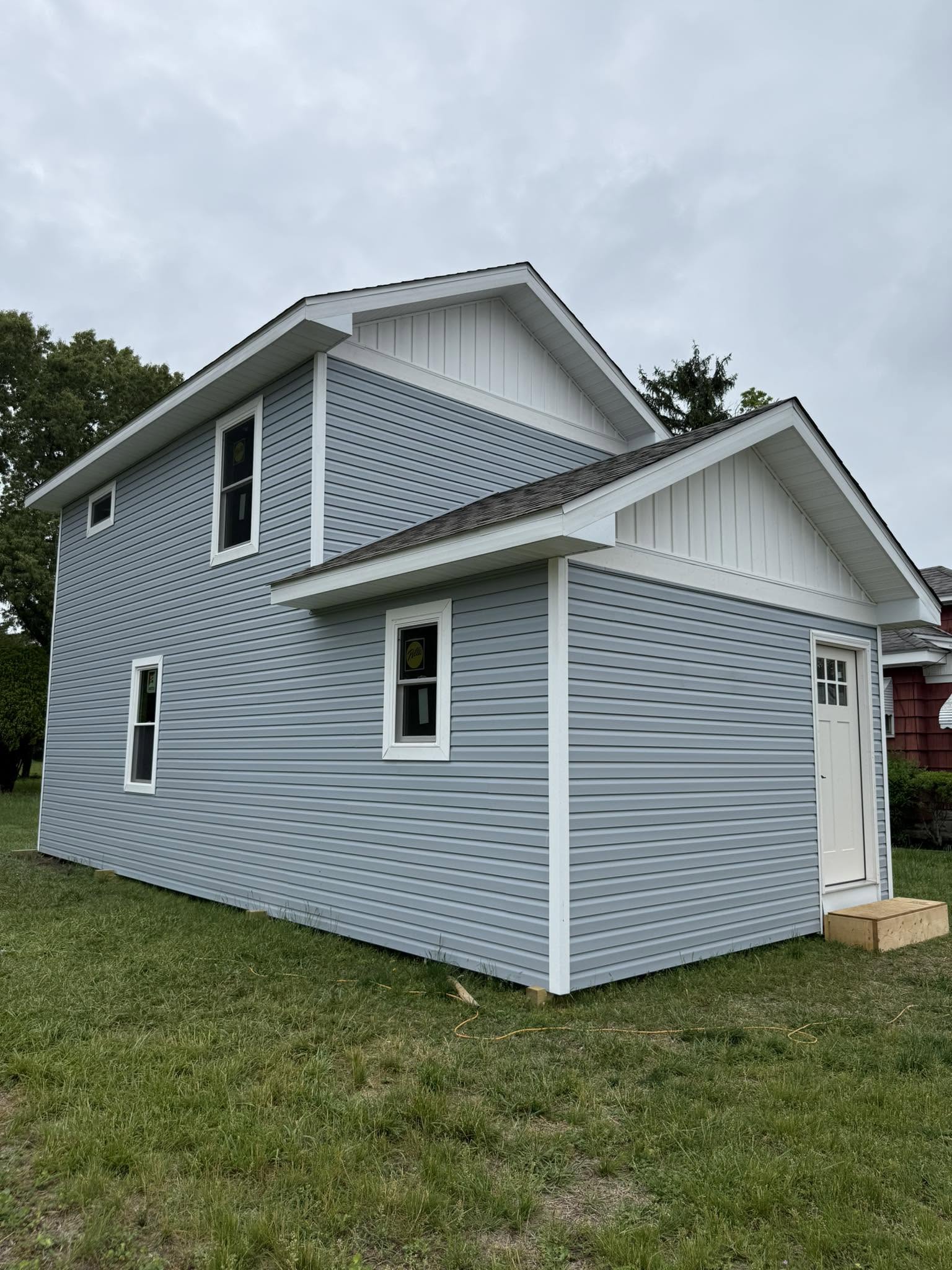
One project that could benefit from the new legislation is the Little Living development proposed near DE Turf. The project, which would be known as Murphy’s Village, plans to build cottage-style and small-scale housing for sale and rent. It has been blocked by Kent County for a multitude of reasons, including the refusal of the planning department to hold a pre-application hearing and statements that the property is outside of a “growth zone” in the current comprehensive plan.
The new housing bill requires counties to integrate an affordable housing plan which requires an increase in maximum density and removing exclusionary barriers that blocked smaller homes like cottages, duplexes and townhomes. In addition, the law requires the counties to allow alternative, diverse housing types without the need for conditional use permits, special exemptions or prolonged hearings for conforming layouts. The law also eliminates the requirement for pre-application hearings to streamline approval.
Another bill that recently passed in the legislature, HB 450, known as the ROAD-DE Act, also supports the Little Living project by streamlining local land use permitting and requiring counties to permit higher density residential developments in designated growth areas. It also streamlines traffic studies for developments designed to address the housing crisis. The minimum density of four units per acre in the legislation undercuts county-level restrictions that have delayed a pre-application meeting with Little Living.
The project still faces the hurdle of the growth zone in the comprehensive plan, something Little Living organizers and the landowner, Bob Murphy, have repeatedly questioned. The 2018 Comprehensive Plan Economic Development Map shows a growth zone overlay that ends at the edge of the Murphy property. However, the property is noted as an area where highway commercial could exist.
The land is zoned BG, General Business. Although this zone is usually designated for commercial activity, mixed-use may be permitted in that zoning area as long as commercial activities are also included. Little Living plans to include commercial activities as part of the complex, including a fast-food restaurant and laundromat. The argument from Kent County officials is that in order to meet the county’s mixed-use requirement, residential and commercial must be combined within one building, with commercial on the first floor and residential on the upper floors.
The Little Living planners are not interested in constructing an apartment building, but instead prefer smaller, 600-1,000 square-foot cottage style homes. The complex would have between 160 and 180 stick-built homes with some rented for between $600 and $1,000 per month depending on size or sold for between $100,000 and $150,000. The developer makes it very clear these are not low-income homes, but affordable for the working class and seniors.
Once the governor signs the bill into law, Little Living hopes to reopen dialog with Kent County to bring 160 to 180 affordable homes to Kent County. Little Living already has a successful project underway in Georgetown.