

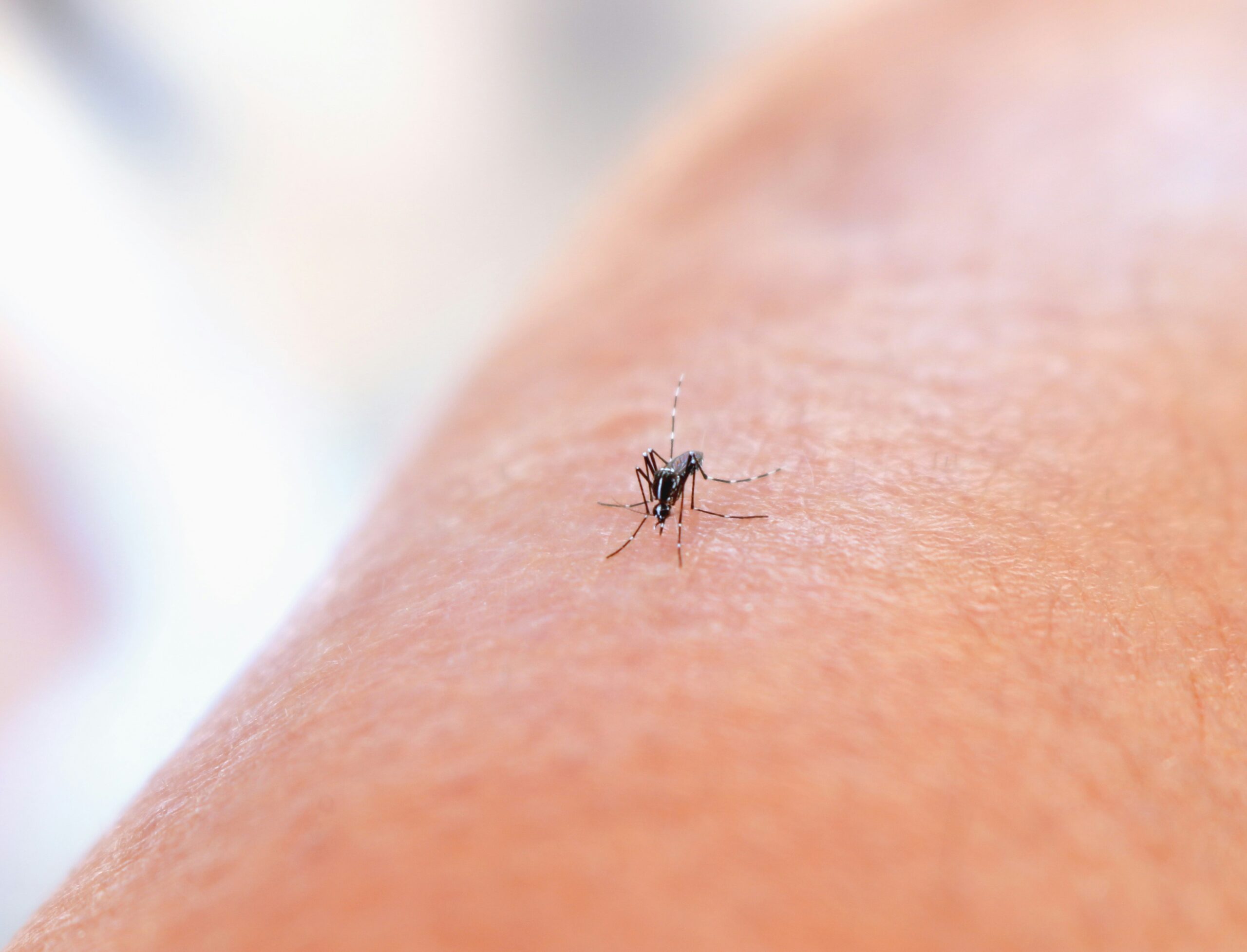


Warm summer evenings often bring families outdoors to enjoy backyard barbecues, community events and walks along the Mispillion River. Unfortunately, they also bring one of summer’s most persistent pests: mosquitoes. While most bites result in little more than itching and irritation, health experts warn that mosquitoes can also transmit several diseases that pose serious health risks to people and animals.
Delaware’s mosquito season typically runs from late spring through early fall, with populations peaking during the hot, humid months of July and August. Standing water left behind by frequent summer rainstorms create ideal breeding conditions, allowing mosquito populations to increase rapidly.
The mosquito-borne illness most commonly monitored in Delaware is West Nile virus. Although many people infected never develop symptoms, about one in five experience fever, headache, body aches, fatigue and occasionally a skin rash. In rare cases, particularly among adults over age 60 and individuals with weakened immune systems, West Nile virus can lead to serious neurological illnesses such as encephalitis or meningitis.
Health officials also monitor for Eastern Equine Encephalitis (EEE), a rare but potentially life-threatening viral disease carried by certain mosquito species. While human cases are uncommon, EEE has one of the highest fatality rates among mosquito-borne illnesses in the United States. Horses are particularly susceptible, making vaccination an important preventive measure for horse owners.
Another disease receiving increasing attention is Jamestown Canyon virus, which has been identified in several states, including Delaware. Most infections are mild, but severe cases can cause inflammation of the brain or tissues surrounding the brain and spinal cord.
Although illnesses such as Zika virus, dengue fever, chikungunya and malaria are generally associated with international travel, public health officials continue monitoring for imported cases. In recent years, locally transmitted dengue cases have occurred in parts of the United States, highlighting the importance of mosquito surveillance nationwide.
Mosquitoes also pose a serious threat to pets. Heartworm disease, transmitted through mosquito bites, can affect both dogs and cats. Veterinarians recommend year-round heartworm prevention because even a single infected mosquito can spread the parasite.
Fortunately, reducing mosquito bites begins at home. Experts recommend eliminating standing water from flowerpots, buckets, birdbaths, children’s toys and clogged gutters, where mosquitoes can lay eggs in as little as a bottle cap’s worth of water. Refreshing birdbaths weekly and keeping gutters clean can significantly reduce breeding sites around the home.
When spending time outdoors, especially during dawn and dusk when mosquitoes are most active, residents should wear long sleeves and pants when practical and use an EPA-registered insect repellent containing ingredients such as DEET, picaridin, IR3535 or oil of lemon eucalyptus. Window and door screens should also be checked for holes to help keep mosquitoes outside.
Residents should also be aware of symptoms that may develop after mosquito bites. Fever, severe headache, stiff neck, confusion, muscle weakness or persistent vomiting warrant prompt medical attention, particularly during mosquito season.
Mosquitoes may be an unavoidable part of summer in Delaware, but a few simple precautions can greatly reduce the risk of disease. By eliminating standing water, using insect repellent and remaining aware of potential symptoms, Milford-area residents can enjoy the outdoors while protecting themselves, their families and their pets from more than just an itchy bite.