






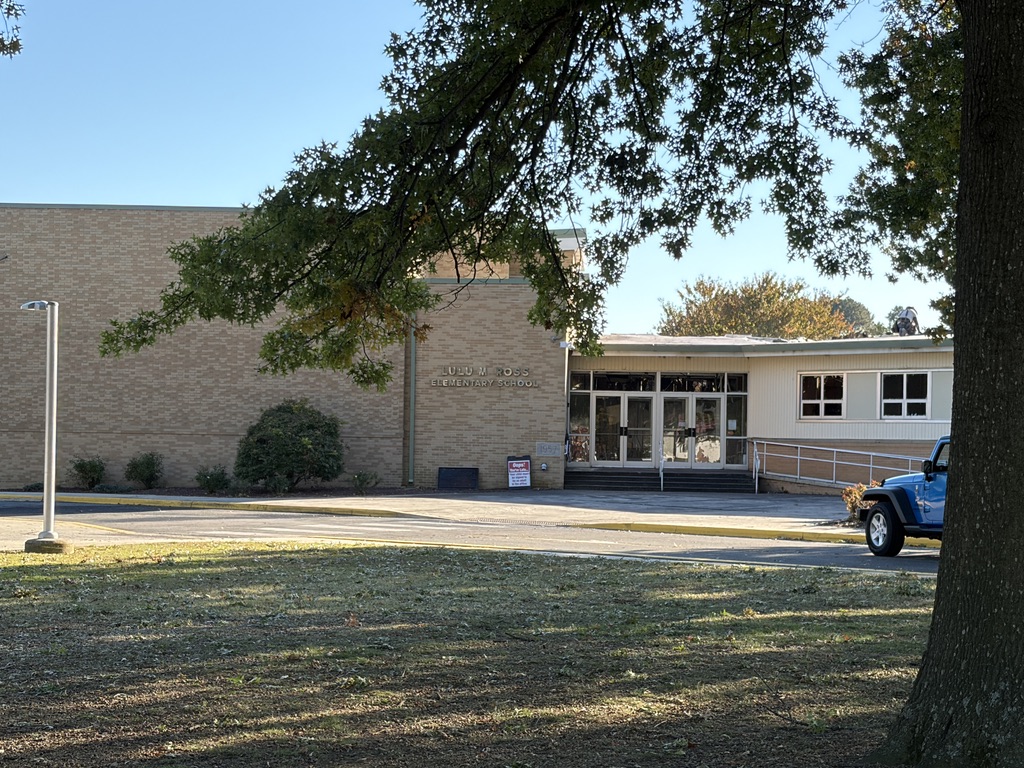
 The devastating fire at Lulu M. Ross Elementary School has left many Milford families facing challenges they never expected. For children who attended the school, the loss extends beyond classrooms, books and supplies. Their familiar routines, favorite spaces and sense of security have suddenly changed. Even for students who may attend other district schools, the fire may raise concerns among children that this could happen at their school. Although no injuries occurred during the fire, the emotional impact on children can be significant.
Parents should understand that children do not always respond to frightening events in the same way adults do. Some may cry or openly express fear. Others may become unusually quiet, irritable or clingy. Younger children may experience nightmares, difficulty sleeping or separation anxiety. Some may complain of headaches or stomachaches, especially when returning to school. A child may appear unaffected, continuing to play and participate in normal activities, only to have reactions that emerge days or even weeks later.
According to the National Child Traumatic Stress Network, children’s responses to disasters vary depending on their age, previous experiences, level of exposure and available support. Parents should avoid assuming that a child who seems happy is unaffected or that a child who becomes upset is necessarily experiencing lasting trauma.
Children need accurate, age-appropriate information about frightening events. Rather than providing lengthy explanations, parents can begin by asking what their children already know. Questions such as “What have you heard about the fire?” or “Is there anything about what happened that worries you?” can open the door to meaningful conversations.
Parents should listen carefully before responding as children sometimes develop misconceptions from overheard conversations, social media or discussions with classmates. For younger children, simple explanations work best. Parents might explain that a fire damaged the school, firefighters worked to put it out and the adults responsible for the school are making plans for students to continue learning safely Avoid promising that a fire or another emergency could never happen. Instead, explain that schools have safety procedures, alarms and trained adults who work to protect children.
Most importantly, reassure children that their feelings are normal and that they can ask questions whenever they need to. Milford School District has set up assistance for parents to help their children through their fears. Reach out to your child’s school if you feel your child needs additional services.