







Emergency vehicle vandalism may incur tougher penalties if Senate Bill 232 passes. Delaware lawmakers are advancing this legislation that would impose stricter penalties on individuals who intentionally damage emergency vehicles, following incidents that have raised concerns about the safety of first responders and their equipment.
The emergency vehicle vandalism bill, sponsored by State Sen. Dave Wilson, would elevate certain acts of criminal mischief to a Class F felony if the damage to an emergency vehicle exceeds $5,000 or renders the vehicle temporarily out of service. The bill passed the Delaware State Senate by a 17–3 vote and now heads to the House for consideration.
The legislation broadly defines emergency vehicles to include police cars, ambulances, fire trucks, rescue boats, and even unmanned aerial drones used in emergency response.
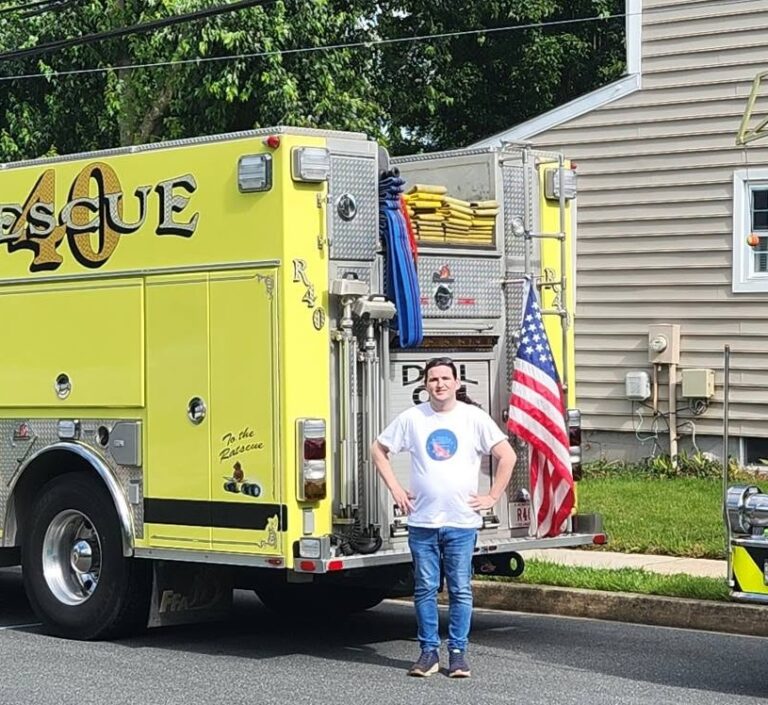
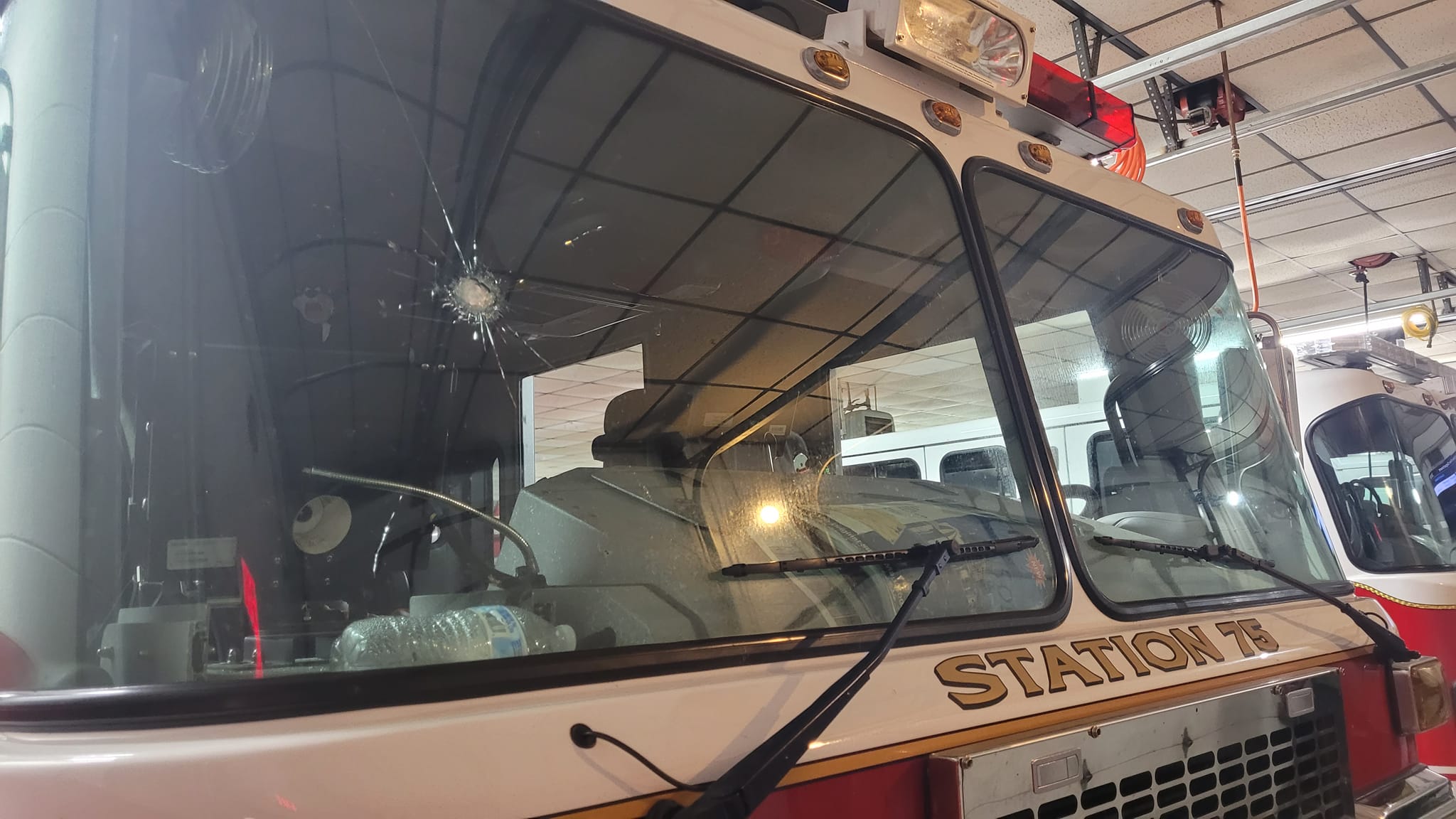
Supporters say the bill is a response to a troubling pattern of emergency vehicle vandalism incidents involving interference with emergency responders. One of the most notable cases occurred in November 2023, when firefighters from multiple Delaware and Maryland departments responded to a large blaze at the New Process Fibre Company in Greenwood. During the response, several fire trucks, including two from the Ellendale Fire Company, were damaged when individuals threw rocks near the scene, temporarily disrupting operations.
Lawmakers say such actions not only damage costly equipment but can also delay emergency response times and put both first responders and the public at risk.
Similar incidents of emergency vehicle vandalism have been reported nationwide, where emergency vehicles have been vandalized or obstructed during active responses. In several cases across the country, ambulances and fire apparatus have been damaged by thrown objects or tampered with while crews were working, underscoring a growing concern among public safety officials about interference at emergency scenes.
Under Delaware’s current sentencing guidelines, a Class F non-violent felony carries a maximum penalty of up to three years in prison. However, first-time offenders may receive supervised probation for up to one year. Judges may also impose fines and require restitution for damages.
Supporters of the bill argue that stronger penalties are necessary to deter dangerous behavior and protect critical emergency infrastructure. Emergency vehicles are often highly specialized and expensive, and even minor damage can take them out of service, reducing a community’s ability to respond to fires, medical emergencies, and other crises.
The proposal follows a similar effort to prevent emergency vehicle vandalism introduced in 2024 by State Rep. Jesse Vanderwende, which did not advance to a full House vote despite clearing committee. Several House Republicans have signed on as sponsors or co-sponsors of the current bill, signaling continued support for stricter protections.
The emergency vehicle vandalism bill’s future in the House remains uncertain, but its passage in the Senate highlights increasing concern among lawmakers about safeguarding first responders and ensuring uninterrupted emergency services. Legislators who have signed onto the bill include State Reps. Danny Short (Seaford), Ron Gray (Selbyville), Shannon Morris (Harrington, Felton), Bryan Shupe (Milford South, Ellendale), and Lyndon Yearick (Camden, Woodside).
If approved, the legislation would mark a significant step toward holding individuals more accountable for actions that interfere with life-saving operations.