




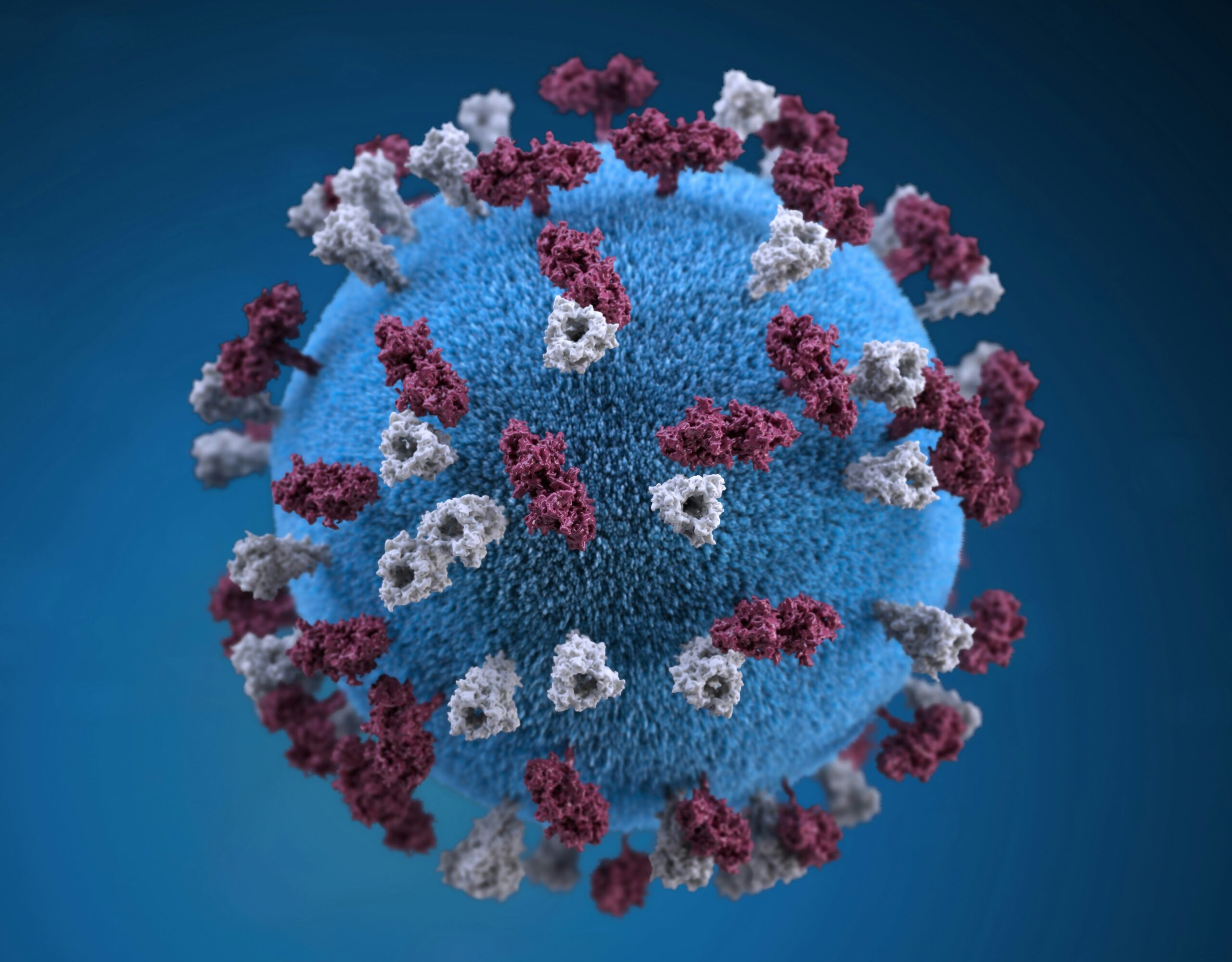

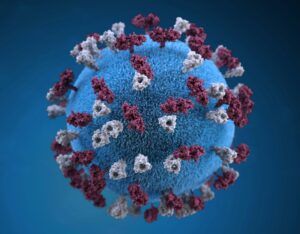
With several cases of measles reported in Kent County, there are many questions about how the disease spreads, what the symptoms are and how to prevent infection. According to Dr. Ramesh Vemulapalli, Infectious Disease Specialist with Bayhealth, measles is of public health importance.
“Measles is a viral infection that is transmitted person-to-person via droplets and airborne transmission,” Vemulapalli said. “It is highly contagious. Let’s say 10 people come in contact with one person who has measles. Nine out of ten people will contract the virus if they are not immunized or do not have immunity.”
According to Vemulapalli, measles was eradicated in the United States in 2000, although there were about 100 cases reported each year, mostly from those who travelled abroad and didn’t have immunity or those who came into the United States who did not have immunity.
“In the last couple of years, we have seen a significant surge in cases,” Vemulapalli said. “In 2025, they had 2,000 plus cases in the United States and this year we have already crossed that number. I think the decreased vaccination rates among kindergarten children is leading to the increase. You need 95 percent to give society protection from the illness and that has fallen to 92.5 percent. In addition, some people lose immunity over time, or they may have had incomplete immunization.”
Measles can be very dangerous for pregnant women as they are at a higher risk of pneumonia. Measles during pregnancy can increase the risk of miscarriage, stillbirth, preterm birth and low birth weight. If a pregnant mother contracts measles shortly before or after giving birth, the newborn can develop congenital or neonatal measles which can be life threatening.
“If someone is exposed to measles, obviously they should contact their physician for guidance,” Vemulapalli said. “The best way to protect yourself if you are exposed is to get a vaccination, that is the main preventative measure. If you are pregnant or have a child under five, they can be given immunoglobulin to prevent contracting measles. The same is true of those who are immunocompromised.”
Vemulapalli stated that the measles vaccine is one of the most effective vaccines available with very little risk.
“The vaccine is 97 percent effective,” Vemulapalli said. “Rarely, if the person has only received one dose or for some reason their vaccination immunity has waned over the years, they may get the measles after exposure despite vaccination, but they will not be as ill as someone who is unvaccinated. The illness would be rather mild in those cases. In the past, in the 1960s, we would give inactivated virus in the vaccine and that was not as effective as the one we use now which is live vaccine, attenuated vaccine, so it is very effective.”
CDC guidelines recommend that the Measles, Mumps and Rubella (MMR) vaccine be given between 12 and 15 months of age with a second dose between four and six years. Statistics show that the MMR provides 97 percent protection against measles, 88 percent against mumps and 97 percent against rubella.
“Symptoms for measles are fever, runny nose, cough and pink eye initially,” Vemulpalli said. “About four days after that, a person usually develops a rash that starts on the face and then spreads to the trunk and legs. Unfortunately, there is no specific treatment for measles. There is no antiviral medication you can take, so treatment focuses mostly on symptom management. Treating the fever, making sure adequate hydration is given and symptomatic treatment for the rash.”
Vemulpalli recommended that anyone who suspects measles should reach out to their family doctor immediately. If their family doctor is not available, call the local emergency room and describe symptoms before going there.
“If it is recommended you visit your doctor or the emergency room, be sure to wear a surgical mask to protect others,” Vemulpalli said. “Obviously, if a fever gets very high, it is an emergency, but it is recommended you call and let them know you may be coming in with measles.”
The most common complications for those who do contract measles is ear infections, especially in children, which can lead to hearing loss. Pneumonia can lead to hospitalization and can cause death. Dehydration, swelling of the airway and encephalitis are also possible. Encephalitis, which is inflammation of the brain, can lead to seizures and death.“The most vulnerable groups are children and pregnant women,” Vemulapalli said. “Immunocompromised individuals are also at risk for more complications.”
In 2025, three deaths were reported in the United States from measles. Vemulapalli stated that doctors are not seeing an increase in other childhood illnesses like mumps and chicken pox with only measles making a resurgence.
“The bottom line is to make sure you and your family are up on your vaccines,” Vemulapalli said. “Contact your healthcare provider if you have any concerns or questions.”