


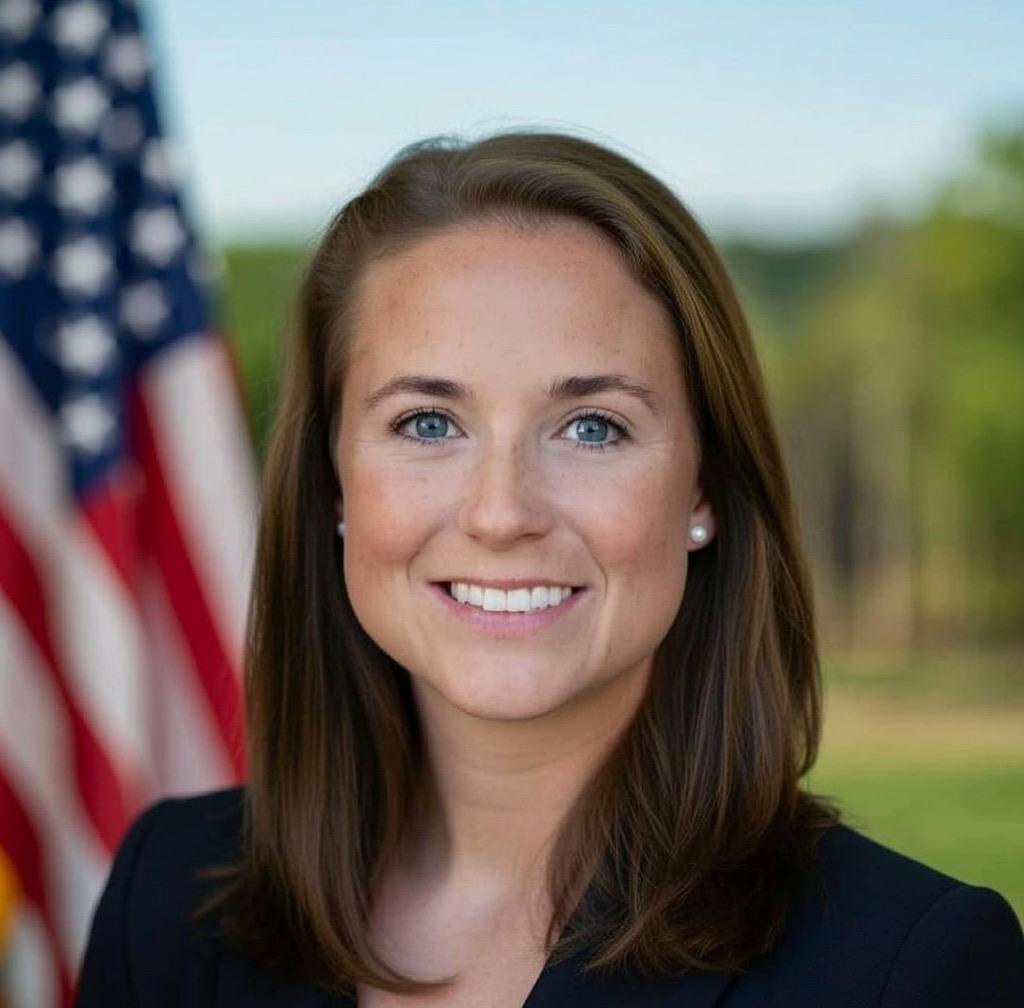

Milford Times sent questions to all candidates running for election in the 33rd Representative District in the primary on September 15, 2026. Both candidates received the same questions, and they are reprinted here with the exact answers provided by the candidate.
 Q: Kent and Sussex counties continue to face rising housing costs, while many residents are concerned about preserving the character of existing neighborhoods. What specific policies would you support to increase housing affordability while protecting property rights and maintaining the quality of life in our communities?
A: I believe we need to be smarter about how we grow. Before building on more farmland or open space, we should focus on redeveloping vacant commercial properties, empty strip malls, and abandoned buildings that already have roads and utilities in place.
We should also support our local, small time landlords. Many are leaving the rental market because of lengthy eviction processes and the financial burden of non-paying tenants. Unlike large corporations, many local landlords are willing to work with tenants who may not qualify elsewhere and often provide more affordable housing options.
I would also explore incentives to help rehabilitate vacant homes and rental properties so they can return to the market. I do not believe rent control or additional mandates on property owners are the answer. By encouraging redevelopment, supporting responsible local landlords, and protecting property rights, we can increase housing opportunities while preserving the character of our communities and improving the quality of life for Delaware families.
Q: Many Delaware families continue to face higher costs for groceries, utilities, insurance, and other everyday expenses. What do you believe is the most important action the General Assembly can take to strengthen Delaware’s economy and reduce the financial burden on working families?
A: The biggest thing we can do is lower the cost of living for Delaware families. That starts with bringing more transparency and accountability to Dover and making sure every tax dollar is being spent wisely.
We should look for ways to reduce unnecessary regulations that drive up costs, invest in reliable and affordable energy, and support policies that help lower utility bills.
We also need to take a hard look at our state budget. A proposed $35 million parking garage is a prime example of spending that could be delayed while families are struggling to afford groceries, housing, and everyday bills. We should review every part of the budget and ask what can wait until the economy is stronger.
I also believe we need to support small businesses because they create local jobs and keep money in our communities. If we focus on affordability and responsible spending, Delaware families will have more money in their pockets and greater confidence in their future.
Q: Southern Delaware continues to grow, but many residents still commute long distances for higher-paying jobs. What industries or economic initiatives would you prioritize to create more quality jobs within the district, and what role should state government play in attracting those employers?
Southern Delaware has incredible potential, but too many residents still have to commute long distances for good paying jobs. I believe we should focus on growing the industries that already make Delaware strong, including agriculture, manufacturing, healthcare, construction, and small businesses. We should also continue attracting businesses that provide skilled trades and technical careers so our young people have opportunities to build successful careers without leaving the area.
I also believe we should lean into expanding our healthcare industry. Attracting more healthcare providers and medical facilities will create more good paying jobs while helping address the shortage of doctors, nurses, specialists, and other healthcare professionals that many Delaware families experience today.
The state’s role should be to create a business friendly environment by reducing unnecessary regulations, investing in infrastructure, and making the permitting process more efficient. We should also partner with our schools, trade programs, and Delaware Technical Community College to ensure students graduate with the skills local employers need.
Finally, we need to continue supporting small businesses because they are the backbone of our local economy. When local businesses succeed, they create good-paying jobs, strengthen our communities, and keep more of Delaware’s economy right here at home.
A: Population growth has increased demand on roads, schools, emergency services, water, wastewater systems, and public safety. How should Delaware balance continued growth with the infrastructure investments needed to support it, and who should bear the cost of those improvements?
Growth is inevitable, but it must be managed responsibly. Too often, infrastructure struggles to keep up after development has already occurred. We should make sure roads, schools, emergency services, water, wastewater, and public safety are planned for before approving large scale developments, not years later.
I believe growth should pay for growth. Developers should bear a fair share of the cost for the infrastructure improvements their projects require, rather than shifting those costs onto existing taxpayers. At the same time, we need to make sure impact fees are spent on the infrastructure they were intended to support.
I also believe we should prioritize redeveloping vacant commercial properties, empty strip malls, and abandoned buildings before expanding into farmland and open space. That approach makes better use of existing infrastructure while helping preserve the character of our communities and protecting property rights.
Responsible planning, smart investment, and accountability will allow Delaware to continue growing without sacrificing the quality of life that makes our communities such great places to live.
Q: Several large data center projects have been proposed across Delaware. Supporters cite economic development and tax revenue, while opponents raise concerns about electricity demand, water usage, environmental impacts, and effects on surrounding communities. Under what circumstances would you support or oppose future data center development?
A: I support responsible economic development, but it should not come at the expense of existing residents, businesses, or taxpayers. I would be open to supporting a data center if the developer pays its fair share of the electrical and infrastructure upgrades required for the project rather than shifting those costs onto Delaware ratepayers or taxpayers.
These projects should also meet appropriate groundwater, noise, and environmental standards and operate without placing an unreasonable burden on neighboring properties, local water resources, or residents’ quality of life.
If a proposed data center creates excessive noise, places an unreasonable strain on our electric grid or water resources, requires existing residents to subsidize major infrastructure improvements, or negatively affects surrounding communities, then I would not support it.
Economic growth is important, but it should be done responsibly. If a project can stand on its own financially, respect neighboring property owners, protect our natural resources, and bring real economic benefits to Delaware, I would be open to supporting it.
Q: Agriculture remains one of Delaware’s most important industries, yet productive farmland continues to be converted to residential and commercial development. What policies, if any, would you support to preserve Delaware farmland while respecting private property rights and accommodating responsible growth?
A: I believe one of the best things Delaware can do is continue increasing funding for our Farmland Preservation Program. Farming has become more expensive every year. Rising fuel, fertilizer, equipment, and operating costs make it harder for farmers to stay in business, especially when crop prices fluctuate.
Rather than encouraging farmland to be developed, I believe we should provide landowners with stronger incentives to voluntarily keep their land in agriculture. By making farmland preservation financially competitive, we can help farmers continue working the fields they already own instead of feeling pressured to sell for development.
I also believe we should prioritize redeveloping vacant commercial properties, empty strip malls, and abandoned buildings before converting productive farmland.
This approach respects private property rights by keeping participation voluntary while encouraging responsible growth. Delaware’s farmland is one of our state’s greatest assets, and preserving it strengthens our economy, supports local food production, and helps maintain the rural character that makes our communities unique.
Q: Delaware continues to experience the effects of opioid addiction and overdose deaths, placing strain on families, healthcare providers, law enforcement, and social services. What role should state government play in addressing the opioid crisis, and what specific policies would you support to reduce addiction while expanding access to treatment and recovery services?
A: The opioid crisis has devastated families across Delaware, and there isn’t a single solution. We need to focus on prevention, enforcement, treatment, and recovery.
First, we must continue cracking down on drug traffickers and those who profit from bringing these dangerous drugs into our communities. They should face strong penalties for the harm they cause.
At the same time, we need to make sure people struggling with addiction have access to treatment and recovery services when they are ready to seek help. Expanding access to mental health care, recovery programs, and workforce training can help people rebuild their lives and reduce the chances of relapse.
I also believe we should explore additional housing options and workforce opportunities for individuals in recovery. Once someone has committed to recovery, they often face significant barriers to finding stable housing and employment because of their past. The state should work with community organizations and employers to explore ways to help reintroduce these individuals into society, giving them a fair opportunity to rebuild their lives while strengthening our communities.
Finally, prevention is critical. We should continue educating young people about the dangers of opioids and other illegal drugs before addiction begins.
By combining strong law enforcement with compassion and accountability for those seeking recovery, we can make our communities safer while giving people a real opportunity to overcome addiction, return to the workforce, and become productive members of society again.
Q: Communities throughout Delaware are seeing increased concerns related to homelessness, including access to affordable housing, mental health services, addiction treatment, and public safety. What policies do you believe would most effectively address homelessness while balancing compassion for those in need with the concerns of residents, businesses, and local governments?
A: Homelessness is a complex issue, and there is no one-size-fits-all solution. People experiencing homelessness face different challenges, including mental health issues, addiction, financial hardship, or a lack of affordable housing. We need policies that address the root causes while also protecting the safety and quality of life of our communities.
Government cannot simply spend more money on homelessness without accountability or measurable results. Assistance should focus on helping people move toward independence through treatment, recovery, job training, and employment.
I believe we should encourage the rehabilitation of vacant homes and commercial properties and work with local organizations to provide transitional options that help people get back on their feet. We also need to improve access to mental health services, addiction treatment, and recovery programs for individuals who are willing to participate.
Just as importantly, we should create more workforce opportunities for individuals who are ready to rebuild their lives. Stable employment is one of the best paths out of homelessness, and partnerships with businesses, nonprofits, and workforce training programs can help people transition back into the workforce.
At the same time, we must respect the concerns of residents and business owners. Public spaces should remain safe and welcoming for everyone. Delaware can strike that balance by combining compassion with accountability, providing a path toward independence while expecting those who are able to participate in treatment, job training, employment, and other programs designed to help them become self sufficient.
Q: Why are you the best candidate to represent the residents of the 33rd District, and what distinguishes you from your primary opponent?
A: I believe the people of the 33rd District deserve a representative who is accessible, transparent, trustworthy, and willing to listen. I won’t pretend that every problem has an easy answer, but I promise to do the work, listen to my constituents, be honest with them, and always put our community first.
I was born and raised right here in the 33rd District, and my family’s roots in this community run deep. This isn’t just where I live; it’s home. I understand the values, challenges, and opportunities that make our communities unique because I’ve lived them. I care deeply about protecting the place where my family has built its life and where I now have the privilege of raising my own family.
For years, I’ve served our community both professionally and as a volunteer. I own and operate a small business, serve on the Kent County Board of Adjustment & Appeals, and currently serve as President of the Frederica Senior Center. Those experiences have taught me how government decisions affect everyday people, whether it’s a family trying to make ends meet, a farmer protecting their land, a senior living on a fixed income, or a small business owner navigating regulations.
What sets me apart is my willingness to sit down with our neighbors, listen to their heartfelt stories and concerns, and work with them toward real solutions. I’ve spent months knocking on doors and listening to residents about the issues that matter most to them: rising utility costs, affordable housing, preserving farmland, supporting first responders, improving healthcare access, and making government more transparent and accountable. Those conversations have shaped my priorities and will continue to guide my decisions in Dover.
To me, this campaign isn’t about politics; it’s about service. It’s about helping our neighbors who are struggling, being there to listen, earning their trust, and working together to find real solutions, not slogans.
If elected, I’ll work every day to earn your trust, protect your tax dollars, defend property rights, support responsible growth, and be a representative who is accessible, transparent, trustworthy, accountable, and committed to putting the people of the 33rd District, not special interest groups, first.