




 When Milford City Council announces a special election to fill its vacant Ward 3 seat at its next meeting as a second special election was cancelled due to lack of candidates, many residents may assume the position is best suited for a longtime homeowner, retired professional or established business leader. But that assumption couldn’t be further from the truth.
The vacancy presents an opportunity for younger residents, renters, first-time candidates and working professionals to become directly involved in shaping the future of Milford. While experience and institutional knowledge are valuable, communities are strongest when their elected officials reflect the diversity of the people they represent.
But the fact that the vacancy has existed since May when Councilman Michael Stewart chose not to run for re-election, indicates a greater concern in that ward. It represents what could be a misunderstanding of who is able to sit on council and why filling all of those seats is important.
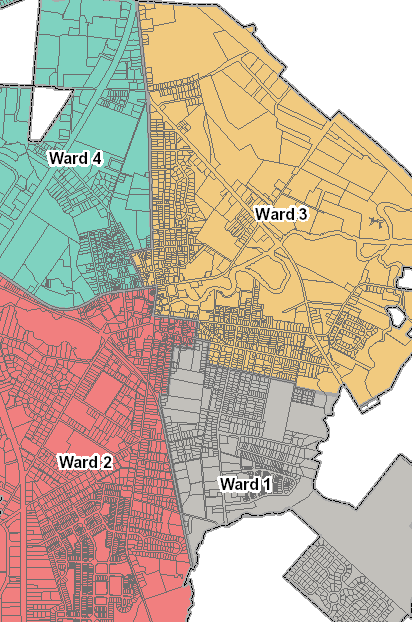
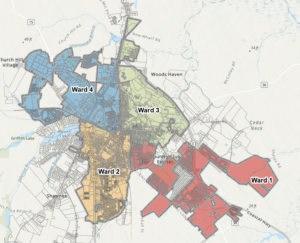
Ward 3 is one of Milford’s most geographically and demographically diverse wards. Stretching across much of the city’s northeast side, it includes a blend of long-established neighborhoods, newer residential developments, commercial areas, and communities along the Mispillion River. The ward is home to longtime residents, young families, renters, homeowners, retirees and professionals, making it a cross-section of Milford itself. That diversity makes broad representation especially important as the city continues to grow.
Too often, younger residents assume they need decades of experience, political connections or homeownership before considering public office. In reality, local government benefits from a variety of perspectives. Young professionals understand the challenges of finding affordable housing, balancing work and family responsibilities, navigating today’s job market and creating opportunities that encourage people to build careers and raise families in Milford.
The same is true for renters. Although they may not pay property taxes directly landlords regularly pass increased property taxes to the tenant with rent increases. City council decisions can also have a significant impact on their cost of living. Investments in infrastructure, utility improvements, municipal services often increase operating costs for landlords as well, those expenses are passed along to renters as well. Despite the belief that increased costs at the city level that are passed on to property owners had no impact on renters, decisions about sidewalks, parks, public safety, roads and economic development impact tenants just as much as homeowners.
Serving on City Council also provides valuable leadership experience that extends well beyond local government. Council members learn how to analyze budgets, solve problems, build consensus, speak publicly and work collaboratively with colleagues who may hold differing viewpoints. Those are skills that employers value and that can open doors to career advancement, nonprofit leadership and future opportunities in county, state or even federal government.
Many elected officials began their public service at the local level. Milford is a prime example of how a city office can lead to a higher office. Several sitting council members began on smaller committees in the city, such as Board of Adjustments and Planning Commission. Retiring Representative Charles Postles began his political career on Milford School District Board of Education. Representative Bryan Shupe served on council before winning the office of mayor. He then went on to win the state seat he now holds.
Milford is not alone in sending local leaders to Legislative Hall. Representative Debra Heffernan served on the Brandywine School Board, Representative Stephanie Bolden served on Wilmington City Council, while Representative Daniel Short served as mayor of Seaford and as a sitting councilperson. Senator Stephanie Hansen served as New Castle County Council before her state election as did United States Senator Chris Coons. City council service offers firsthand experience in governance while providing the opportunity to make a lasting impact on the community where you live.
Another commonly held myth related to city council, you do not have to be an older, established homeowner to serve. If you meet the qualifications outlined in the City Charter, have resided within Ward 3 for over one year, and are 18 years of age as of the day of the election, you are eligible to seek the office. The city benefits when people from different generations, occupations and life experiences have a seat at the table.
Another reason the Ward 3 vacancy is significant is that Milford’s ward system is designed to ensure every part of the city has a voice in local government. Each ward elects two council members who are familiar with the unique needs and priorities of the neighborhoods they represent. Ward 3 has a population of 2,725 with almost 80 percent of these residents able to vote.
This diverse district mirrors the city’s broader racial mix, consisting primarily of Non-Hispanic White and Black/African American populations, alongside a growing Hispanic community. As Milford continues to grow through annexation and new residential development, maintaining geographic representation becomes increasingly important. Without a ward system, candidates could theoretically be elected by concentrating support in one portion of the city, leaving other neighborhoods with little or no direct representation on the council. The ward structure helps ensure that decisions affecting the entire community are informed by voices from every corner of Milford.
As Milford continues to evolve, the Ward 3 special election offers more than an opportunity to fill a vacant seat. Tt offers the chance for a new voice to help shape the city’s future. For someone considering public service for the first time, that journey could begin with a single decision to run. To learn more about what is required to run for the seat, visit the City of Milford online.