




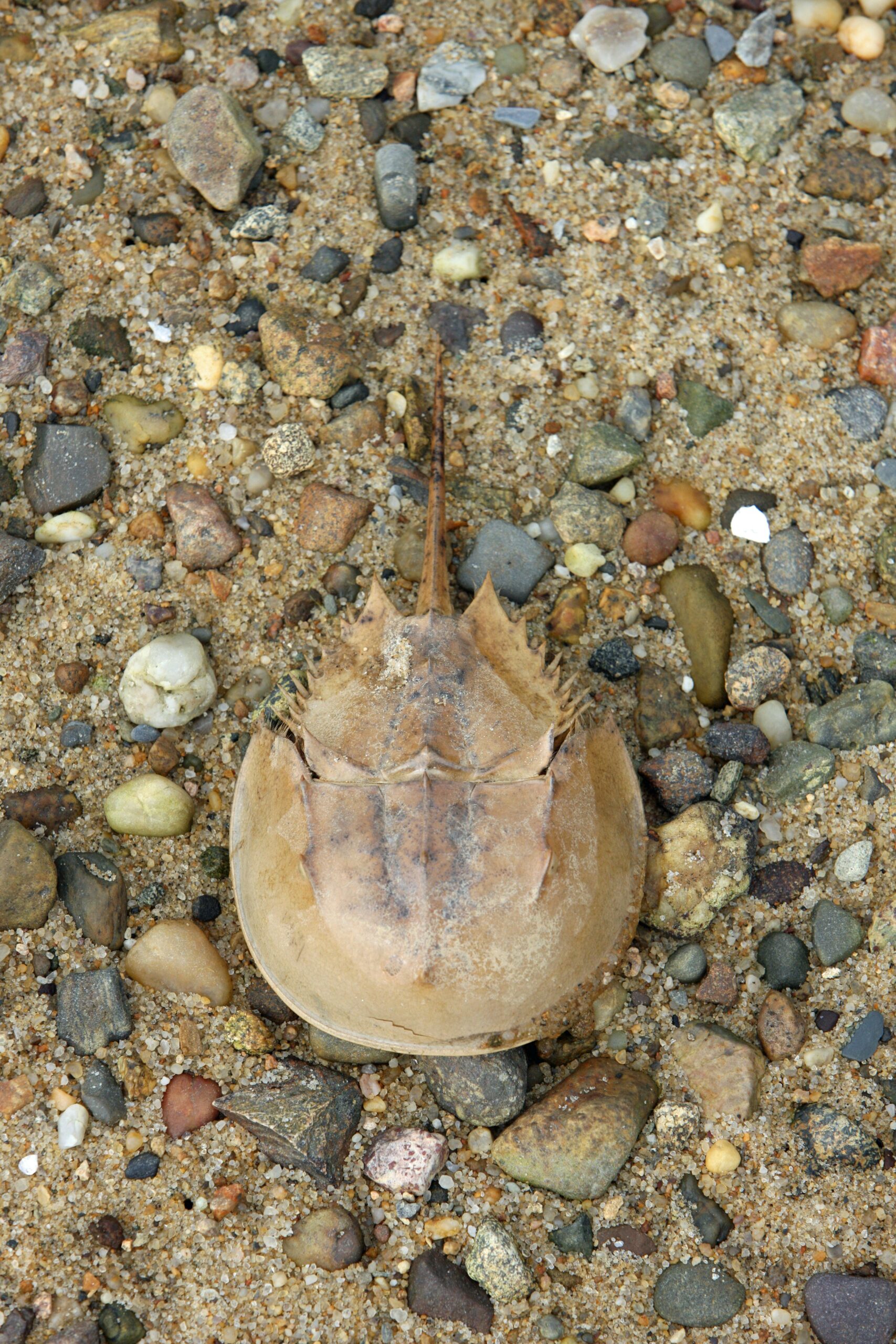


Every spring along the shores of Slaughter Beach, one of nature’s oldest creatures returns in remarkable numbers, continuing a ritual that predates the dinosaurs. Horseshoe crabs, often called “living fossils,” emerge from the waters of Delaware Bay each May and June to spawn along the beaches, drawing scientists, bird watchers, and volunteers eager to witness the annual migration.
For many Delaware residents, the return of the horseshoe crab has become both an environmental success story and an important reminder of how fragile ecosystems can be.
Just a few decades ago, horseshoe crab populations were in serious decline throughout the region. Heavy harvesting for bait in the fishing industry, combined with habitat loss and coastal development, dramatically reduced their numbers during the 1990s. Conservationists warned that the depletion threatened not only the species itself, but also migratory shorebirds that rely on horseshoe crab eggs as a critical food source during their long journeys north.
Among the birds most impacted was the red knot, a small shorebird that depends almost entirely on horseshoe crab eggs to refuel during migration. Without enough eggs along Delaware Bay beaches, red knot populations also began to fall.
Awareness of the horseshoe crab’s ecological importance led to new conservation efforts, including harvest restrictions, protected spawning areas, and scientific monitoring programs across Delaware Bay. Over time, researchers and environmental groups began to see encouraging signs of recovery.
But the horseshoe crab’s value extends far beyond the shoreline.
Scientists discovered decades ago that the crab’s unique blue blood contains compounds capable of detecting bacterial contamination in medical equipment, vaccines, and injectable medications. The blood is used worldwide in biomedical testing to help ensure the safety of countless medical products. This discovery transformed the species into one of the most medically important marine animals on the planet.
Today, biomedical companies carefully collect and release horseshoe crabs as part of tightly regulated processes, while researchers continue exploring synthetic alternatives designed to reduce pressure on wild populations.
At the same time, local volunteers continue playing a major role in monitoring the health of the species in Delaware.
Each spring, teams of citizen scientists gather at beaches including Slaughter Beach to count spawning horseshoe crabs during peak migration periods. The surveys, often coordinated through environmental organizations and state agencies, help researchers track population trends and evaluate the effectiveness of conservation efforts.
Volunteers walk designated stretches of beach at night, recording crab numbers, nesting activity, and environmental conditions. The work may sound simple, but the data collected has become an important tool in protecting both horseshoe crabs and migratory shorebirds.
For many participants, the experience becomes more than a scientific exercise. Watching thousands of ancient creatures crawl ashore beneath moonlight offers a rare glimpse into one of Delaware’s most extraordinary natural events.
The annual return of the horseshoe crab has also become a growing attraction for eco-tourism along the Delaware coast, bringing visitors to small communities like Slaughter Beach to witness the spectacle firsthand.
While conservationists caution that continued protection remains essential, the horseshoe crab’s gradual recovery stands as a hopeful example of how science, environmental awareness, and community involvement can work together to restore a species that has survived for more than 400 million years.
Learn more about horseshoe crabs by visiting the Dupont Nature Center, located at 2992 Lighthouse Road, Milford.