





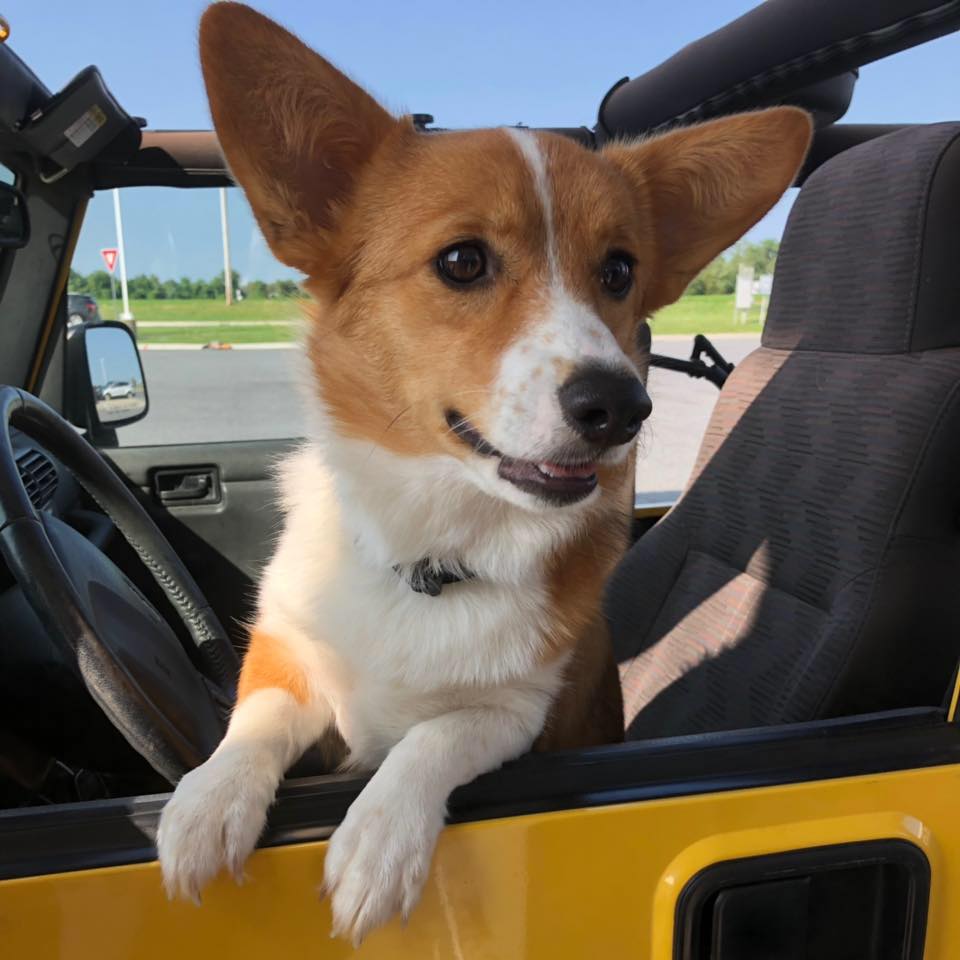

 For many families, pets are not just animals, but a part of the family. As more Americans travel with their pets, especially dogs, road trips are becoming increasingly more popular than air travel. Road trips offer more flexibility, fewer restrictions and less stress for people and their furry family members.
Airlines have become more accommodating over the years; many airlines will still only allow pets small enough to fit in a carrier under the seat in front of you in the cabin. Larger dogs, even those the size of a beagle or Corgi, must be crated and travel separate from their owners unless they are trained service animals. Restrictions also apply based on weather, breed, destination or aircraft type. It can also be very stressful for both the animal and its owner to be separated in this way. For these reasons, many people are choosing to take road trips instead.
One of the biggest advantages to taking a road trip is the ability to travel at both your and your pet’s pace. Dogs benefit from regular breaks to stretch their legs, get some exercise, drinks some water and take a potty break. Planning stops every two to three hours not only keeps pets comfortable but also gives the human passengers a chance to recharge.
More and more hotels are now allowing pets, although polices vary widely. Some allow pets with no additional fees while others charge extra to have a dog in the room. Fees can range from $25 to $300, so check those carefully when booking. Hotels may have weight limits, breed restrictions, a pet number limit or whether you are able to leave the pet unattended in the room.
When planning a road trip with your pet, be sure to bring enough food for the trip, medications, collapsible food and water bowls, waste bags, vaccination records, bedding, toys and a recent photo of your pet. Keeping a familiar blanket or toy nearby can reduce anxiety when your pet is away from home.
Remember that your pet needs to be safe in the car as well. Dogs should be in a secured crate or wear a crash tested travel harness rather than roaming around the vehicle. Pets should never be left alone in parked cars even for a few minutes. If you are traveling with others, one of you can grab a bite to eat, visit the restroom or go inside for directions while the other remains with the pet, taking turns as you go. If you are traveling alone with your pet, plan stops where your pet can go inside with you.
There are businesses that allow dogs in many areas as well. Search for dog-friendly restaurants on your route to see where you could stop and have dinner or lunch with your dog sitting alongside you. Although many of these places require you to sit outside with your dog, it is a great way to stretch, enjoy a good meal without leaving your dog alone. One tip is to search for wineries or breweries, many of whom offer dog-friendly areas.
Whether you are planning a weekend getaway or a cross-country adventure, a little preparation can go a long way. By researching pet-friendly hotels, planning regular dog-friendly pit stops, packing thoughtfully and putting safety first, your pet can be an excellent travel companion.