






 A last-minute vote by the Delaware General Assembly to override Gov. Matt Meyer’s veto of Senate Bill 75 could open the door for additional recreational marijuana businesses in parts of Milford, but it does not automatically allow retail cannabis sales throughout the city.
The House voted in the early morning hours of July 1 to override the governor’s veto, completing the legislative process after the Senate voted to override the veto earlier this year. The new law limits the ability of county governments to impose restrictive zoning rules that lawmakers said effectively prevented legal marijuana businesses from opening, despite Delaware legalizing adult-use cannabis in 2023.
For Milford residents, however, the impact is more complicated because the city spans both Kent and Sussex counties and also has its own municipal zoning authority.
Supporters of SB 75 argued that county governments, particularly Sussex County, adopted zoning regulations so restrictive that few, if any, legal cannabis retailers could realistically find compliant locations. The legislation establishes statewide standards that preempt many of those county restrictions while still allowing reasonable protections around sensitive uses such as schools, day care centers and places of worship.
Gov. Meyer vetoed the bill last year, arguing it removed too much local control over land-use decisions. In his veto message, he said counties should retain the ability to determine where marijuana businesses are appropriate within their communities.
Despite the state’s action, the legislation does not automatically authorize recreational marijuana stores within Milford.
The City of Milford previously adopted its own ordinance prohibiting recreational marijuana retail establishments within city limits. Because that restriction is a municipal ordinance and not a county regulation, it is unaffected by SB 75.
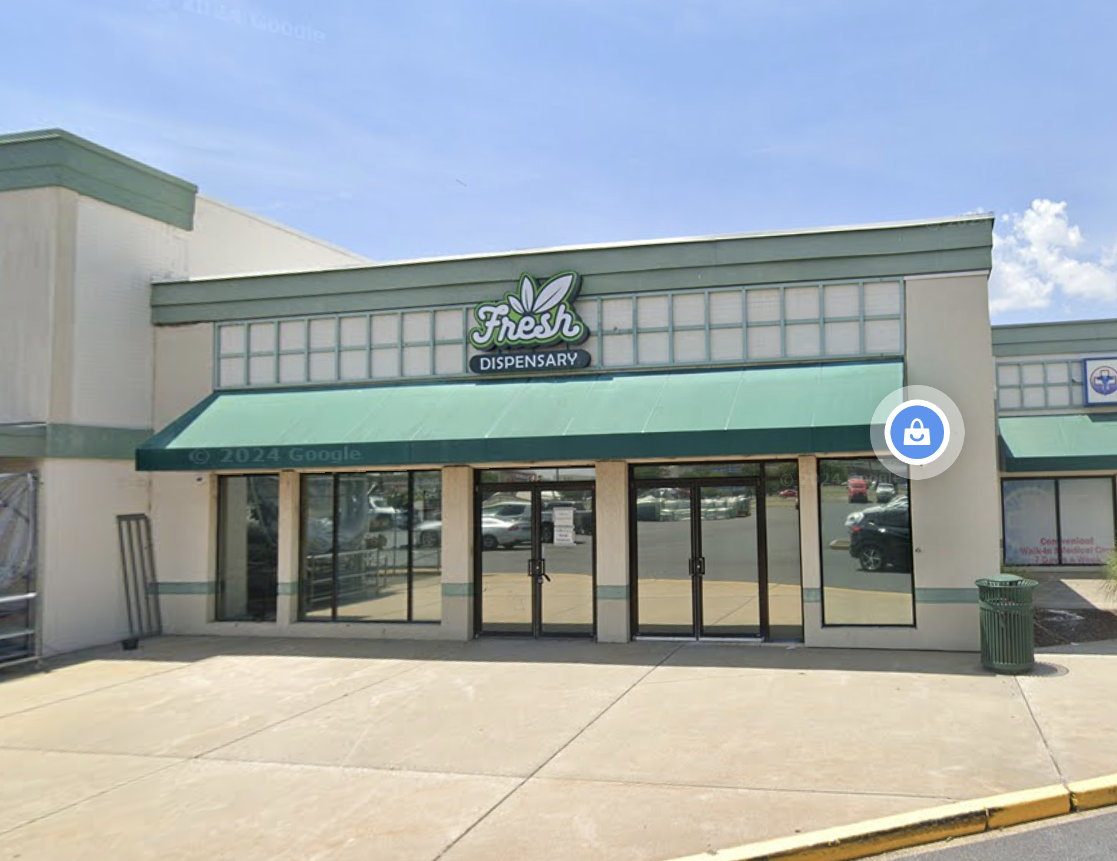
As a result, existing medical marijuana facilities in Milford, including Milford Fresh, cannot simply convert to recreational sales because of the veto override. Any change would require action by Milford City Council to amend or repeal the city’s ordinance. Fresh maintains that it is grandfathered and should not be bound by the ban, but has taken no steps to file a lawsuit after one filed in Chancery Court was dismissed. The judge dismissed the case stating that was not the proper court for the suit, but did not block Fresh from filing suit in a different court.
At a presentation in Milford by Joshua Sanderlin, Office of Marajuana Control Commissioner, Sanderlin stated that THC products are being sold in Milford at vape shops with little state control. Many of the products have significantly more THC than that sold by the state and are also marketed toward children. When asked how much money Fresh was losing because they could only sell medical products, he stated the loss was “ten times” what they were making currently.
Councilman Jason James pointed out that his issue with the law was that towns would reap no benefit from the sale of retail marijuana. He felt that if the city allowed retail stores, a portion fo the tax collected should remain in that town. After the presentation, there was no discussion about whether the city would adjust their ban on the retail marijuana stores, event though Fresh was selling medical products on Dupont Highway and many vape stores were selling THC products. In addition, liquor stores are now permitted to sell THC-laced products as well.
Although the law applies to the counties only, it could have an impact on future cannabis businesses seeking to locate in portions of Milford that fall under county zoning or in nearby unincorporated areas where county restrictions had previously made development difficult. Those projects may now face fewer county-imposed barriers than before.
The override drew criticism from lawmakers who argued the state was taking away local decision-making.
Opponents said counties should retain authority over where cannabis businesses may locate and questioned why House leadership waited until the final hours of the legislative session to hold the override vote.
Supporters countered that county regulations had effectively blocked implementation of Delaware’s legal recreational marijuana program. They also pointed to a recent Delaware Supreme Court ruling affirming that zoning authority ultimately rests with the General Assembly, which may delegate powers to local governments.
For Milford residents, the immediate impact is likely to be limited. Recreational marijuana retailers remain prohibited under the city’s current ordinance, and no action by the General Assembly changed that prohibition. In addition, the city has made no indication they plan to rethink the ban.
However, the legislation could renew discussion among local officials over whether Milford’s ban should remain in place as Delaware’s recreational cannabis market continues to develop. If City Council chooses to revisit the issue, the debate would likely center on balancing potential economic development and tax revenue against community concerns regarding the location and operation of cannabis businesses.
With recreational marijuana sales expected to begin expanding across Delaware later this year, municipalities such as Milford may increasingly face decisions about whether to continue prohibiting retail cannabis or participate in the state’s growing legal marketplace.