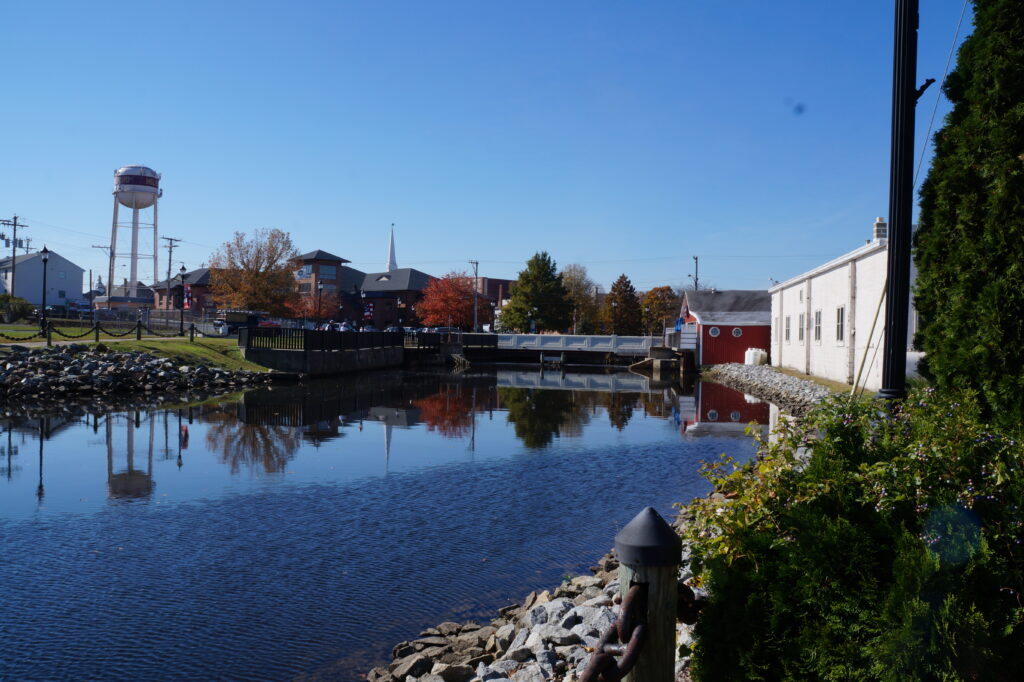





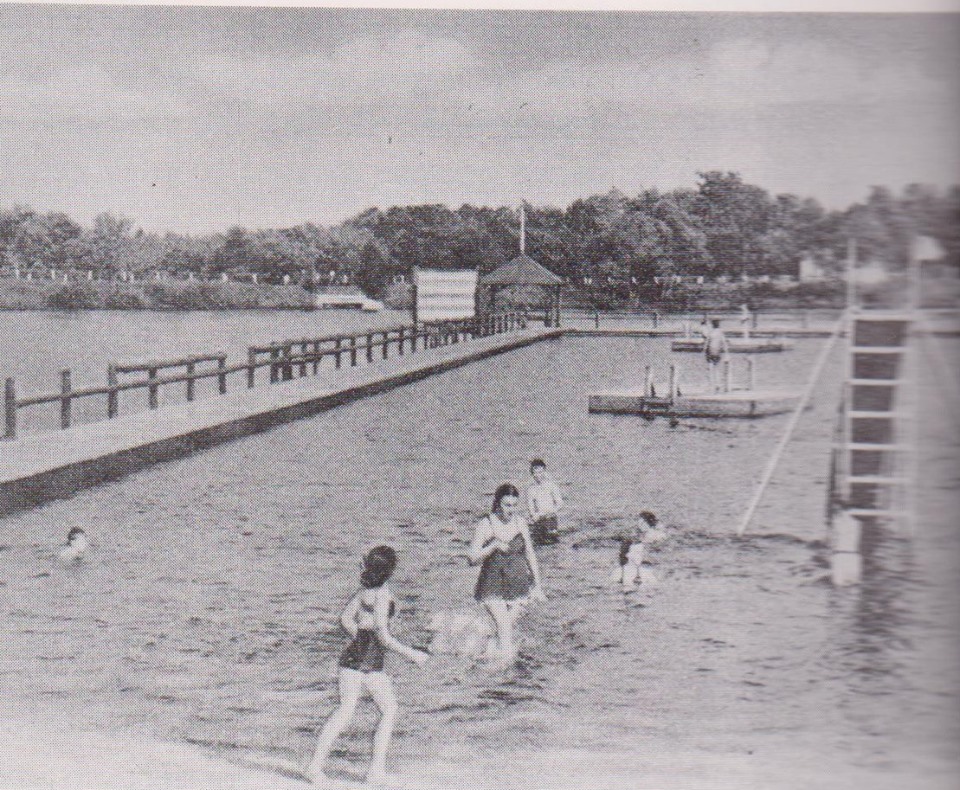

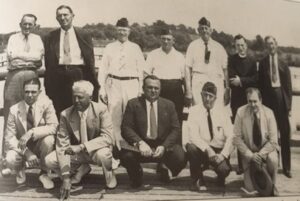
 Today, Marshall Pond is a quiet spot where kayaks, small motorboats and canoes slide along the water. In the fall, Milford Pop Warner uses the area around the pond for practices. But, on July 17, 1942, the Milford Bathing Beach and Recreation Park was dedicated along the shores of the popular pond.
Marshall’s Pond was formed when a dam on Herring Branch was constructed in order to add a mill. Joseph Booth constructed the mill and dam. It appears that the mill was eventually sold to Peter Causey, who owned it in 1829. The mill changed hands many times over the years, eventually falling into the ownership of Dr. William Marshall. The mill ceased operation and at some point, Hester Angeline Marshall sold the property to Edward M. Davis.
Davis had a plan to turn the area into a recreational facility. In 1941, the Milford Chronicle reminded the community that contributions were needed to complete the project.
 “Merchants are asked to cooperate in enlarged drive to secure funds, donations are deductible from income,” the headline read. “Work on the new municipal bathing beach and playground which has been steadily going ahead for the past several weeks will shortly have to be arrested unless more contributions are forthcoming.”
That same year, the News Journal announced that timber had been donated for the park by a Sussex County philanthropist and that 36 youth from the National Youth Administration would cut and strip the lumber for use in the park.
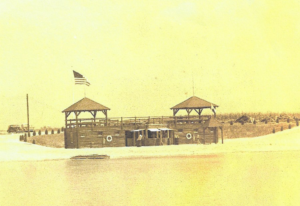
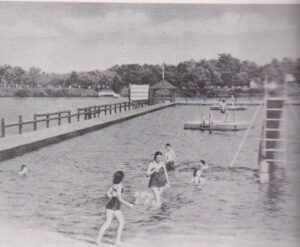
On July 17, 1942, the park officially opened with a bath and clubhouse that fronted the beach on a hill. The top of the hill was level with the clubhouse. On the roof, which was accessible by walking up the hill, there were observation seats and pavilions on each end of a pier.
“Twenty bathhouses have been constructed,” The News Journal reported. “And an outside shower has also been added. There is a concession stand on the sandy slope.”
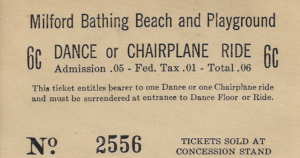 Marshall Pond had been a popular gathering place throughout the year as it provided ice skating in the winter and bathing in the summer. The concept of a recreational area came about during World War II when gas rationing made it difficult to get to the beach.
Sand was brought in to make a bathing beach, floats for diving were placed in the pond and a boardwalk extending in a pavilion provided a pleasant walk to enjoy summer breezes off the water. Provisions for water sports and a playing field were supplied where ball games could be played. The area was popular not only with individuals but with groups. Sunday school picnics were held there and the area gave Milford residents a respite not only from the heat, but the impacts of the world war.
 The recreation area came to end when contamination of the pond from a processing plant upstream made it unsafe to swim there. In addition, the end of World War II and the lifting of gas rations allowed residents to, once again, travel to Slaughter, Bowers and Broadkill Beach.
The City of Milford has a long-term goal to create a recreation area on Marshall Pond again in the future. Today, the pond is occupied by ducks, fish and waterfowl who rarely give motorists a passing glance as they drive across the bridge on Rehoboth Boulevard.