




As summer begins to fade and cooler weather arrives in Delaware, homeowners may be tempted to cut back flower gardens, pull fading plants and prepare yards for winter. But leaving some of those late-season flowers standing a little longer can provide an important food source for bees, butterflies and other pollinators.
Asters, goldenrod, Joe-Pye weed and black-eyed Susans are among the plants that can continue providing color — and food — well into the fall. University of Delaware Cooperative Extension notes that butterflies can still be seen visiting autumn blooms of asters, goldenrod, Joe-Pye weed and black-eyed Susans as summer gives way to fall.
For pollinators, a flower that blooms in September or October can be particularly valuable.
Many flowering plants have already finished blooming by late summer, reducing the amount of nectar and pollen available. Goldenrods and asters are among the native plants that help fill that seasonal gap.
University of Delaware experts have observed pollinators continuing to visit smooth blue aster and rough-leaf goldenrod into late September. Honeybees at the university’s apiary also gather nectar from goldenrod and asters from late August into early fall.
Late-blooming plants can support more than honeybees. Delaware gardens are visited by numerous native pollinators, including mason bees, leafcutter bees, bumblebees, butterflies, beetles and flies.
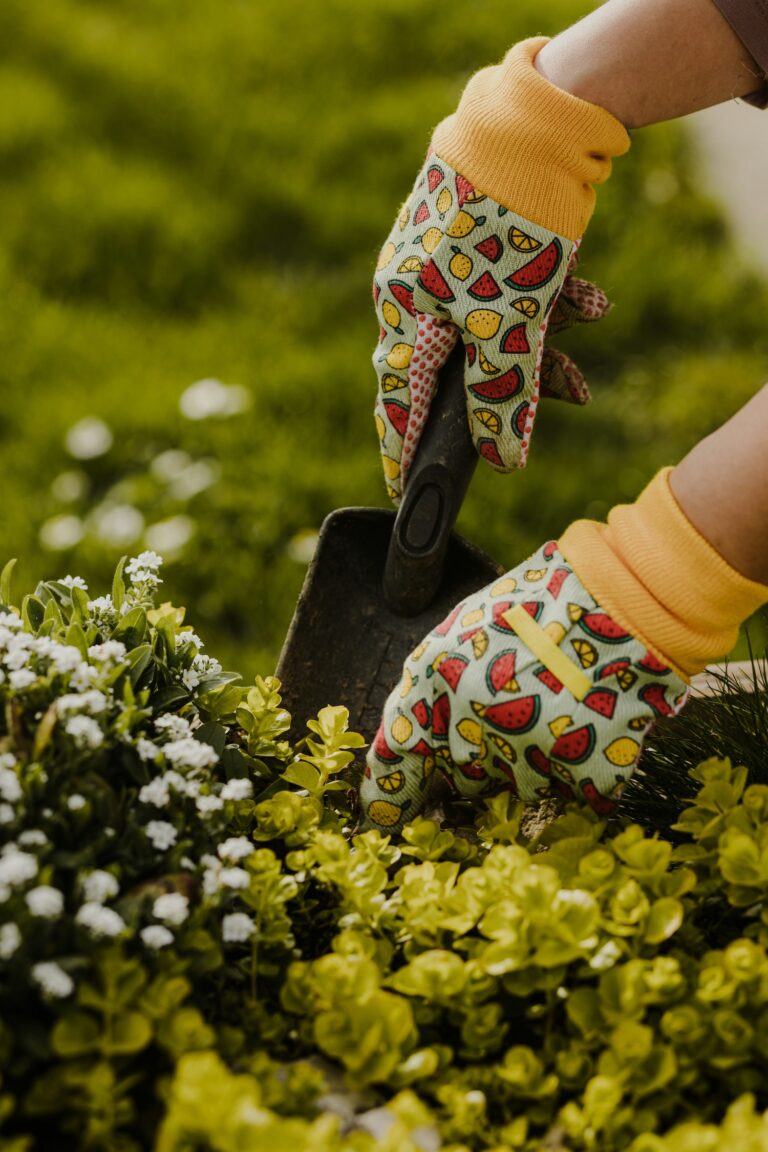
Homeowners can help by including a variety of plants that bloom at different times of the year, ensuring that something is flowering from spring through fall. Helping backyard wildlife in the fall does not necessarily require planting an entirely new garden. Sometimes it simply means doing a little less yard work.
The traditional fall routine of cutting perennial plants to the ground and removing every fallen leaf can eliminate places where insects spend the winter. University of Delaware Cooperative Extension recommends leaving some standing dead plant material and allowing leaves to remain in garden beds. Native bees may use hollow plant stems for nesting, while leaf litter provides habitat for insects, spiders and other small creatures.
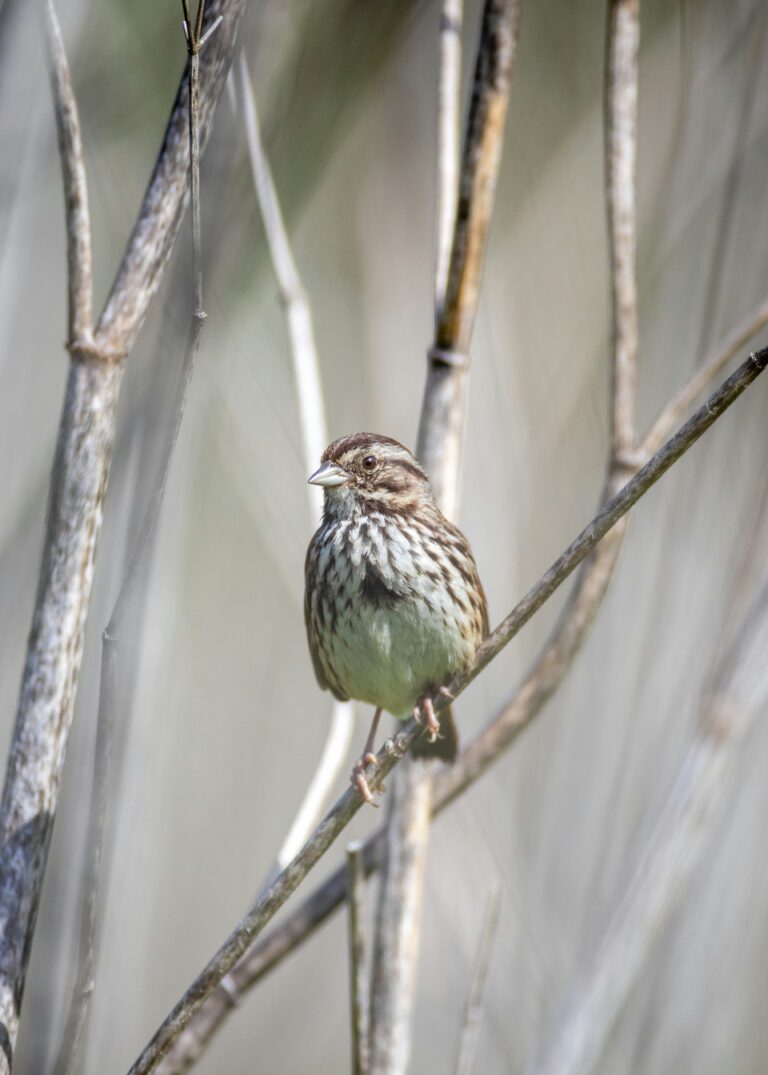
Those insects are also an important food source for birds. Leaves can benefit the landscape in other ways. As they decompose, they return nutrients to the soil and can reduce the need for commercial fertilizers.
That does not mean homeowners have to let thick layers of leaves smother their lawns. Leaves can be moved from lawns into flower beds or around trees and shrubs. Smaller amounts can also be chopped with a lawn mower and left to decompose naturally.
For generations, a neatly maintained fall yard often meant bare flower beds, closely cut plants and bags of leaves waiting for removal.
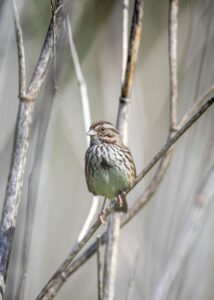
A more wildlife-friendly yard may look slightly different. Seed heads left on flowers can provide food for birds. Plant stems can shelter insects. Fallen leaves offer habitat at ground level, while late-blooming flowers continue feeding pollinators until cold weather finally brings the growing season to an end.
Homeowners do not have to abandon fall cleanup entirely. Diseased plants and problem vegetation can still be removed, and sidewalks and heavily traveled areas should remain clear.
But allowing a corner of the yard or a garden bed to remain a little less tidy can make a difference.
As Delaware moves from summer into fall, those last patches of goldenrod and asters are more than a final splash of seasonal color. For some of the smallest visitors to the backyard, they may also be one of the last meals available before winter.