




From October 22 through November 11, 2026, travelers will have the opportunity to explore the dramatic landscapes, rich biodiversity, and cultural heritage of Aotearoa/New Zealand on a 21-day immersive eco-tour led by naturalist Sally O’Byrne and a New Zealand guide.
The journey will examine how New Zealand’s unique environment has evolved over centuries. Because Aotearoa developed in isolation from other major landmasses, the country possesses an unusual ecosystem with relatively low natural diversity and no native land mammals other than bats. Volcanic activity, shifting geology, and rugged coastlines have helped shape a landscape unlike anywhere else on Earth.
Participants will also learn how human settlement transformed the environment. Since the arrival of Māori around 1300, and later European colonization, widespread land clearing, farming, forestry, and the introduction of nonnative plants and animals dramatically altered the country’s ecology. Sheep and cattle grazing, dairy production, and commercial forestry contributed to large-scale habitat loss and the extinction of many native species.

Today, New Zealand is internationally recognized for ambitious conservation efforts aimed at reversing that damage. The tour will highlight projects focused on restoring native bush, removing introduced predators, and reestablishing threatened bird populations throughout the country.
Among the featured experiences are visits to some of New Zealand’s most important wildlife sanctuaries and bird habitats. Travelers will seek out iconic species including Yellow-eyed and Little Penguins, Royal Albatross, Australasian Gannets, Westland Petrels, Bar-tailed Godwits, and the rare Wrybill. Endemic parrots such as the Kea and Kākā are also expected highlights.
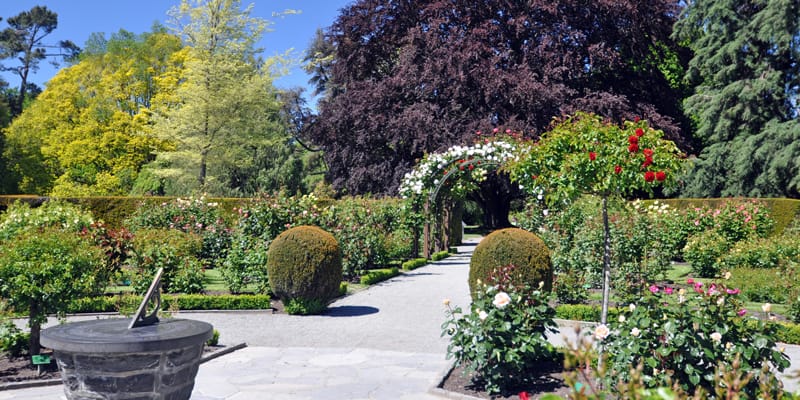
Cultural and historical exploration will play a central role in the itinerary. Stops include Te Papa Museum in Wellington, the geothermal landscapes surrounding Rotorua, historic mining settlements, and Ōtautahi Christchurch. Guests will also visit Pūkorokoro Miranda Shorebird Centre, the National Kiwi Hatchery, and Kāpiti Island Nature Reserve to learn more about ongoing conservation initiatives.

The tour will feature two of the country’s most celebrated scenic journeys: the ferry crossing between Picton and Wellington through Cook Strait, and the renowned TranzAlpine rail journey across the South Island.
Additional experiences include stargazing in a Dark Sky Reserve and sampling local wines, olive oils, and regional cuisine in the Marlborough wine region.
To learn more about the New Zealand Eco-Tour and book a reservation, visit Delaware Nature Center online.