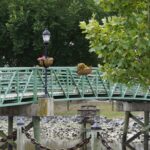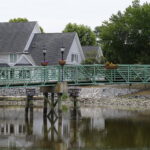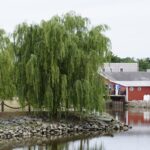





As Milford prepares to celebrate the 250th anniversary of the United States, many can recall the activities surrounding the country’s 200th anniversary in the town. The celebration lasted over a year and resulted in the creation of Bicentennial Park.
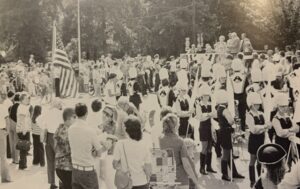
On September 20, 1975, the historical parade opened the 13-month celebration of the country’s bicentennial. That same year, Old Milford Day, sponsored by the Milford Historical Society featured community members dressed in colonial clothes.
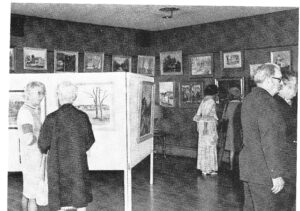
On October 11 and 12, 1975, a Bicentennial Art Exhibit was held at Shawnee Country Club.
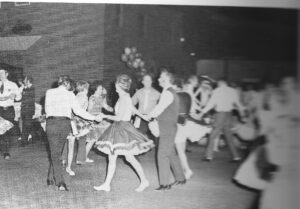
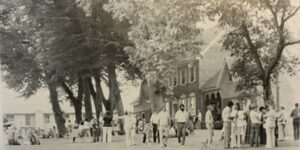
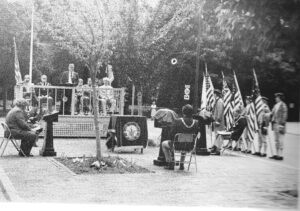
Memorial Day weekend was a whirlwind of events for the celebration beginning with a square dance on Friday evening, May 29 and then a community picnic on Saturday, May 30 on the grounds of the Parson Thorne Mansion. On May 31, 1976, a
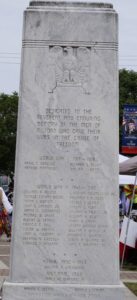
Memorial Day celebration was held on the Plaza where the veteran’s memorial stood at the time.
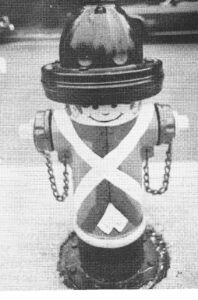
Fire hydrants were painted for the nation’s 200th birthday, a program conceived by Milford artist Rhoda Friedman who single-handedly painted about six fire hydrants in Milford. Friedman, who lived to be 88, was an avid lover of the arts. The painted hydrants remained visible for many years after the end of the bicentennial celebration.
“She wanted to contribute something special to the people of Milford,” her daughter, Jessica said after her passing.
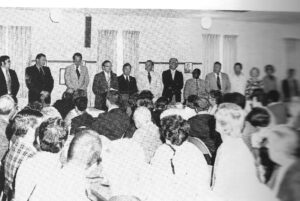
Although the park was still under construction, the Mayor’s Prayer Breakfast at Calvary United Methodist Church on September 18, 1976, closed the official celebration of the nation’s 200th anniversary.
The American Revolution Bicentennial Administration launched the Bicentennial Communities program. To earn the official federal designation, local governments had to form a citizen committee and develop a specific project that would outlast the celebrations. Communities were asked to focus on grassroots engagement rather than just hosting parades.
ARBA divided plans into three main categories. Heritage 76 focused on historic restoration and local history education. Festival USA focused on concerts, fairs and celebratory events. Horizons 76 focused on permanent community development projects in arts, housing, recreation or education.
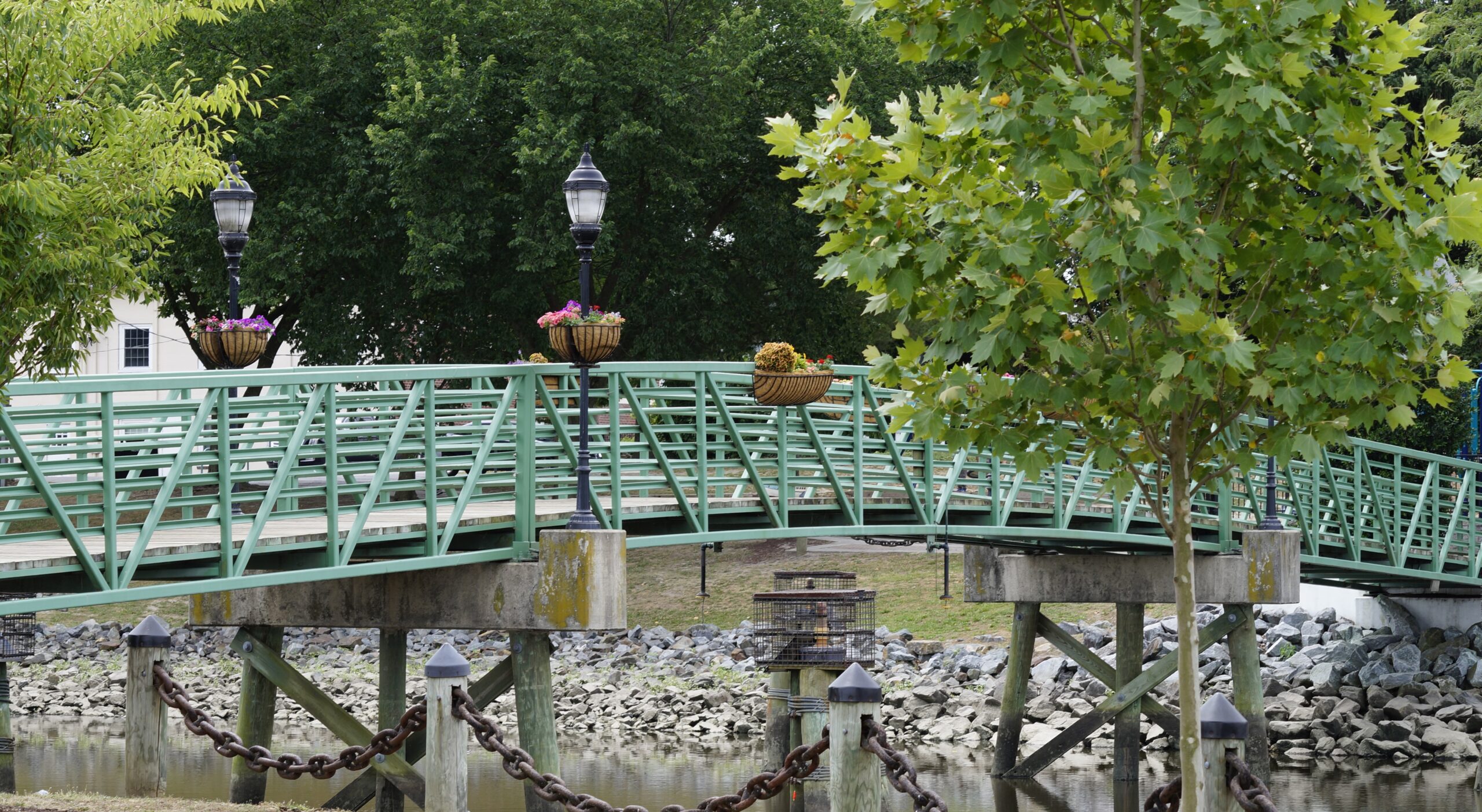
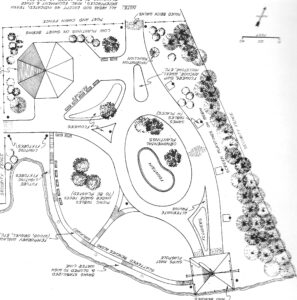
 The designation came with grant funding and Milford used the grant, along with state and local funds in the amount of $24,000, about $1 million today, to create Bicentennial Park, with the understanding that this would be the beginning of what became Milford’s Riverwalk.
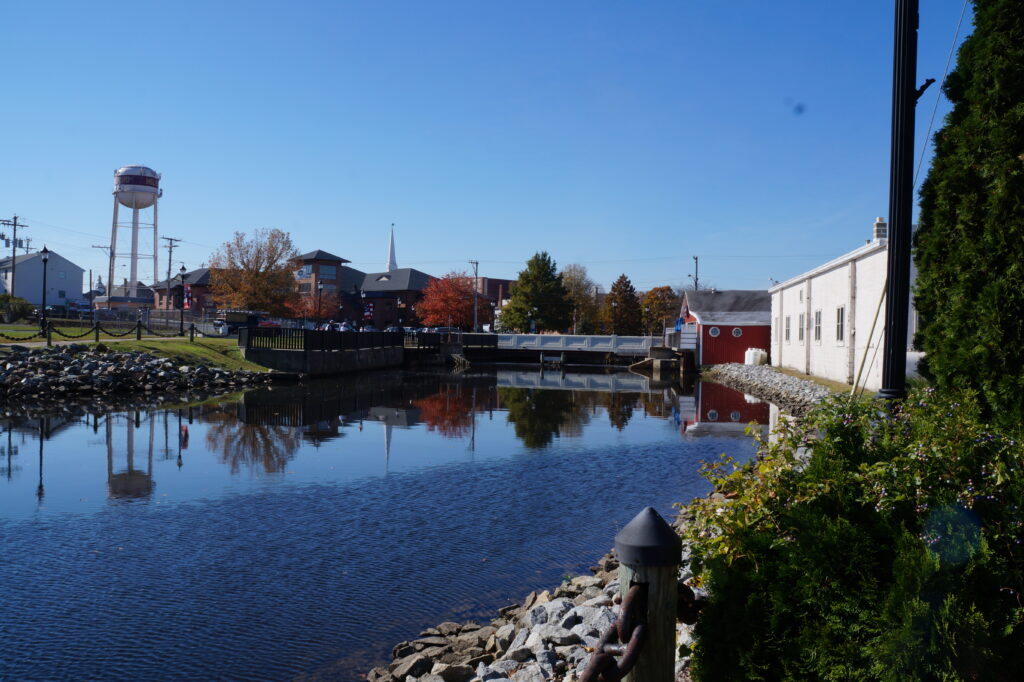
Situated on the Mispillion River, the first public event held in the park was a piano concert on the evening of August 23, 1977, over a year after the 200th birthday of the country. The concert was sponsored by the local unit of the Disabled American Veterans and the City Department of Parks and Recreation.
 “The city has embarked on a $3 million park program to develop recreational areas along the Mispillion River,” an article written by Nancy Kesler in The Morning News on August 22, 1976, read. “A city of only about 5,200, Milford would be hard-pressed to finance such an ambitious program except for a recent agreement by the federal government to provide up to 50 percent in matching funds.”
 The article explained there would be shoreline improvements for strolling, fishing, boating, games, picnicking or merely relaxing on a park bench. At that time, there was a plan for a public restroom as well. The project would also stabilize and beautify the Mispillion with bulkheaded banks and the river cleared of debris.
“Eventually, the park will have a pavilion and fountain, providing a pleasing setting for public gatherings as well as benches and picnic tables,” Kesler wrote. “High on the list of the city’s park committee is an application prepared for the U.S. Department of Housing and Urban Development for funds to defray the cost of bulkheading, a substantial expense.”
When the park was planned, a company called Mispillion Associates planned to open a restaurant, craft shop and marina. The Army Corps of Engineers also had plans to deepen the river from six to nine feet. These plans never came to fruition, however.