

With the 2026 Atlantic hurricane season beginning June 1, state officials are urging Delaware residents to take steps now to prepare for potentially dangerous storms and coastal flooding.
Governor Matt Meyer has proclaimed May 18-22 as Hurricane Preparedness Week in Delaware, as the Delaware Emergency Management Agency (DEMA) joins county and local agencies in encouraging residents to review emergency plans, build supply kits, and understand evacuation procedures ahead of the season.
“As the lowest-lying state in the country, hurricane conditions are particularly dangerous,” the agency said in its preparedness announcement, warning that hurricanes and tropical storms can bring storm surge, inland flooding, damaging winds, beach erosion, and widespread power outages across Delaware.
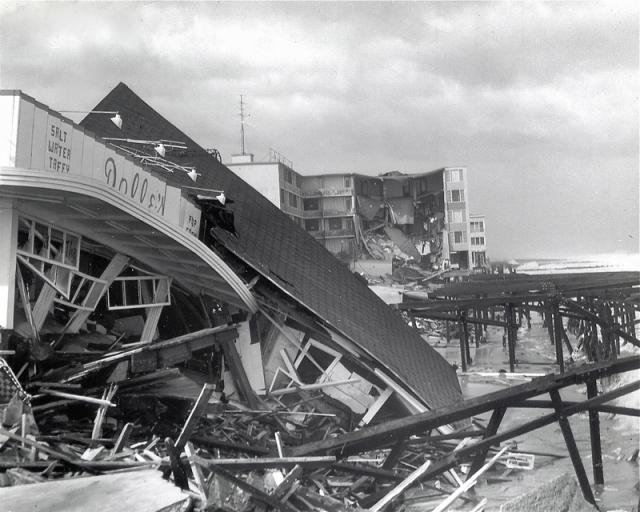
Delaware has never had a direct hit from a hurricane, but the state remains highly vulnerable to coastal storms due to its low elevation and extensive shoreline. According to the National Oceanic and Atmospheric Administration, Delaware has experienced impacts from dozens of tropical systems over the past century, including major events such as Hurricane Sandy in 2012, Hurricane Isabel in 2003, and Hurricane Irene in 2011. Tropical Storm Fay in 2020 also caused significant flooding in parts of the state. Many still remember the Ash Wednesday Storm of 1962. Although it was not a hurricane, it caused extensive damage to the state.
Federal climate and weather data show Delaware averages some level of tropical storm or hurricane impact nearly every year, whether from direct landfall, coastal surge, heavy rainfall, or high winds. Sussex and Kent counties are considered especially vulnerable because of their coastal geography and growing population in flood-prone areas.
DEMA officials noted that even a below-average Atlantic hurricane season can still produce catastrophic local impacts.
“The time to prepare against storm-related damage is before hurricane season begins,” said DEMA Director A.J. Schall. “PrepareDe.org is a great resource to assist in planning for all possibilities.”
Colorado State University forecasters are predicting 13 named storms, six hurricanes, and two major hurricanes during the 2026 Atlantic season — slightly below the 30-year average. However, emergency officials emphasized that it only takes one storm making landfall to create a disaster.
State officials are encouraging residents to create emergency communication plans, review evacuation routes, secure flood insurance, and prepare emergency supply kits with enough food, water, medications, and other necessities to last at least five to seven days.
Residents are also being encouraged to sign up for the Delaware Emergency Notification System, monitor local weather alerts, and understand the difference between hurricane watches and warnings.
More hurricane preparedness information is available through the state’s preparedness website at PrepareDE.org.