






At a recent meeting, Milford City Council recognized National Safe Boating Week, planned for May 16 through 22. Mayor Todd Culotta read an official proclamation at the meeting.
“For over 100 million Americans, boating continues to be a popular recreational activity and from coast to coast and everywhere in between, people are taking to the water, enjoying leisure time together, boating, sailing, paddling and fishing,” Culotta read. “During national Safe Boating Week, the U.S. Coast Guard and the National Safe Boating Council, along with federal, state and local Safe Boating partners, encourage all boaters to explore and enjoy America’s beautiful waters responsibly, beginning with preparation.”
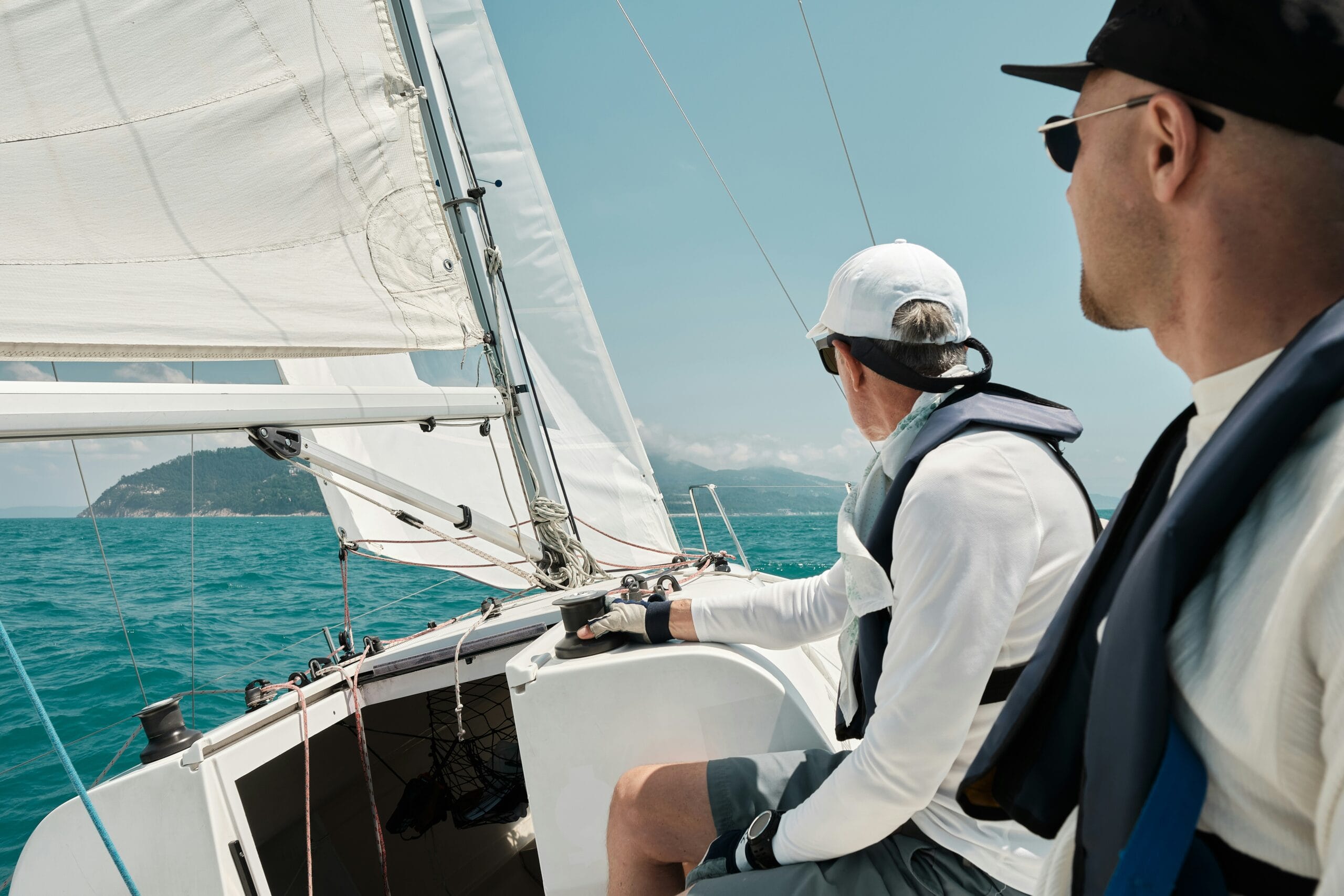
According to the proclamation, human error accounts for most boating accidents. Nearly 75 percent of deaths during these accidents could have been prevented by wearing life jackets. Therefore, the Coast Guard reminds boaters that carrying lifesaving emergency distress equipment, wearing life jackets, attending safe boating course, participating in free boat safety checks and staying sober while boating can keep people safe.
“On average, 650 people die each year in boating related accidents in the US,” Culotta read. “A significant number of boaters who lost their lives by drowning would be alive today if they had worn a life jacket.”
The National Safe Boating Council supports Culotta’s comments, stating that the annual observance highlights the importance of responsible boating practices.
“National Safe Boating Week is the perfect time for boaters to get ready for a fun and safe season on the water,” Captain Peg Phillips, Executive Director of the National Safe Boating Council, said. “By taking a few simple steps now, like checking equipment, wearing a life jacket and taking a safety course, boaters can help ensure every outing is a safe one.”
The National Boat Safety Council recommends boaters take each day during National Safe Boating Week to perform one critical step toward safety. Starting on May 16, boaters should vow to always wear a life jacket as a stowed jacket is of no use during an emergency. On May 17, be sure that the engine cut-off switch is operational. Not only is it a safety feature, it is also required under the law.
“An engine cut-off switch is a proven safety device to stop powerboat engines should the operate unexpectedly fall overboard,” Phillips said.
On May 18, commit to filing a float plan with someone on shore whenever you take the boat out. Always make sure someone on shore knows your itinerary and passenger information, boat type, registration and communication equipment on board. On May 19, promise to never boat under the influence.
“According to the U.S. Coast Guard, where the primary cause was known, alcohol was listed as a factor in 20 percent of recreational boating deaths,” Phillips said. “Always designate a sober skipper.”
On May 20, commit to being prepared for the unexpected. Watch the weather and always check the forecast before departing on the water. Also, be sure to keep an eye on the weather while out on the water as it can change rapidly in this area. On May 21, sign up for a safe boating course, even if you have taken one in the past. Courses help you gain valuable knowledge and on-water experience in boating safety.
Finally, on May 22, promise to always pay attention. Know what is around you at all times as the two top contributing factors in boating accidents in 2024 were caused by operator inattention and improper lookout.
“Know where you’re going to travel at safe speeds,” Phillips said. “Be familiar with the area, local boating speed zones and always travel a safe speed. Have more than one communication device that works when wet. VHF radios, emergency locator beacons, satellite phones and cell phones with GPS technology can be lifesavers in an emergency. Check equipment. Schedule a free vessel safety check with local U.S. Coast Guard Auxiliary or U.S. Power Squadrons to make sure all essential equipment is present, working and in good condition.”
Learn more about safe boating by visiting the National Safe Boating Council online.