



 Education Health & Research International (EHRI) has been awarded a $1.25 million federal grant to expand health education programs for older adults and individuals with disabilities, addressing a growing need across central and southern Delaware.
The funding, provided through the Administration on Aging’s Administration on Community Living, will support programs focused on chronic conditions and mental health challenges, including anxiety, depression and post-traumatic stress disorder. The initiative also targets stressors such as caregiving responsibilities, financial strain, loss of loved ones and new medical diagnoses.
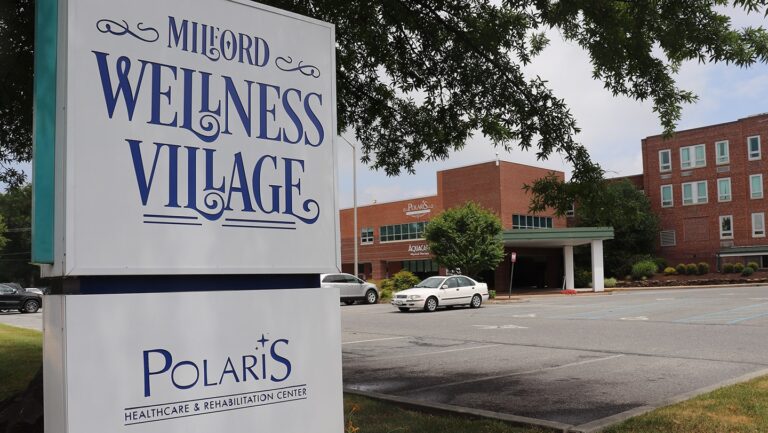
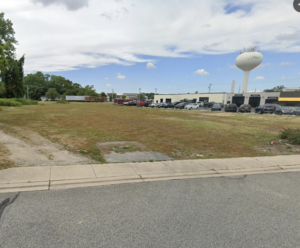
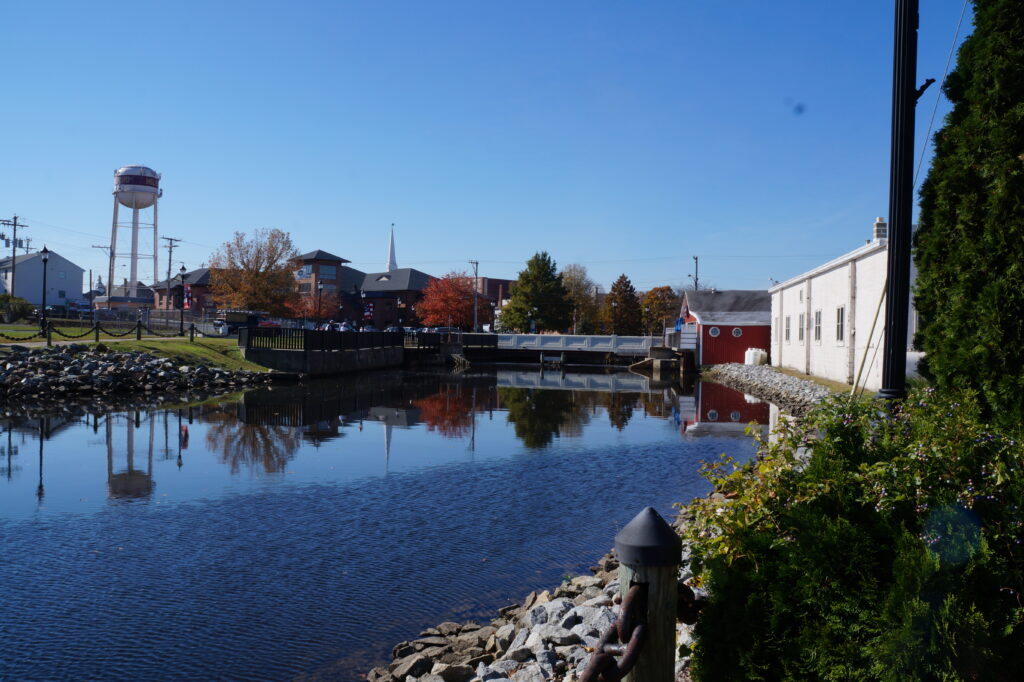
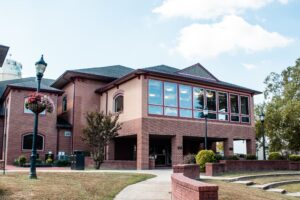
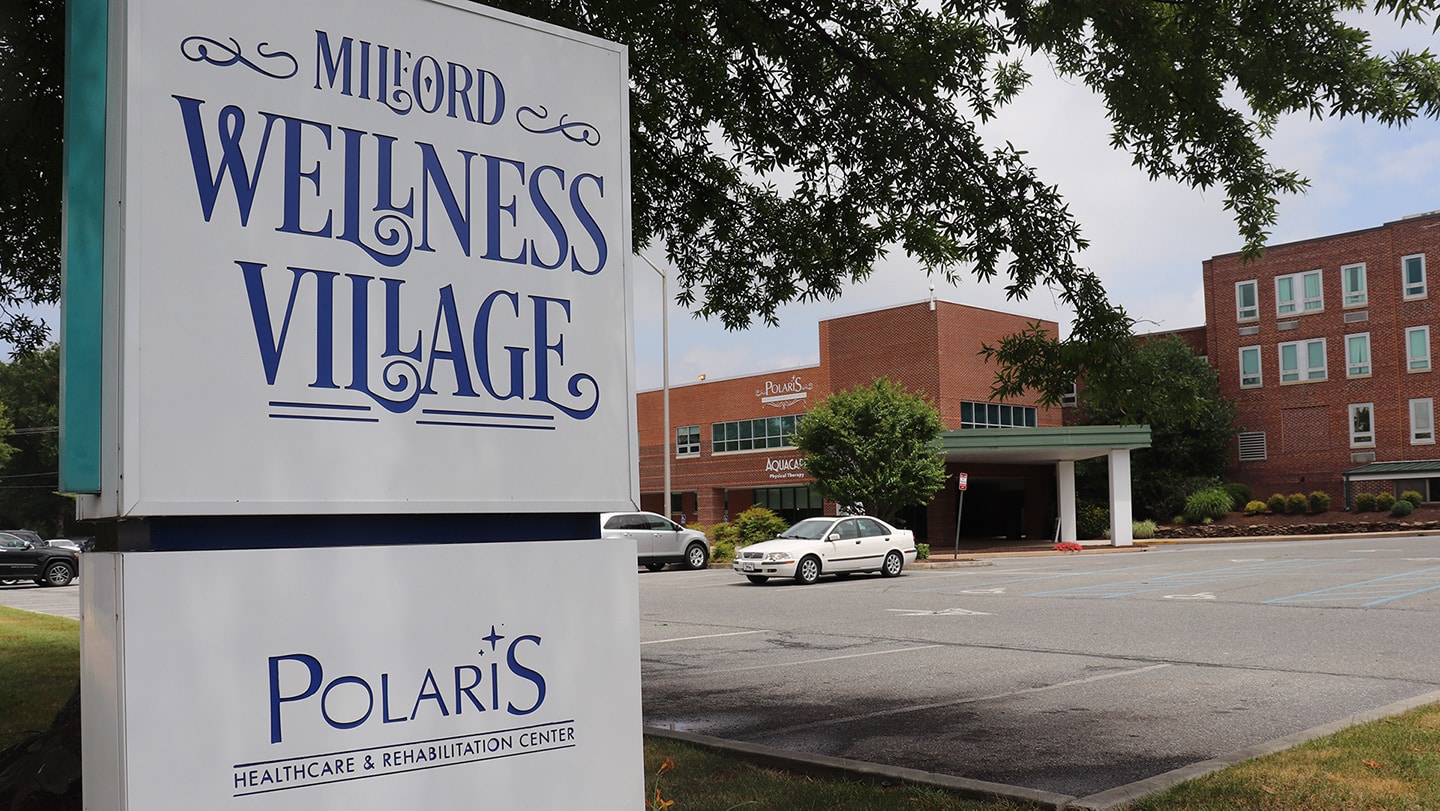
EHRI is based at the Milford Wellness Village, an emerging hub designed to integrate health care, education and community services in one location. The Wellness Village brings together medical providers, nonprofits and training institutions with the goal of improving access to care while addressing broader social determinants of health such as housing, transportation and economic stability.
EHRI works to strengthen community health systems through education, research and collaboration. Its programs emphasize prevention, self-management and workforce development, helping individuals better navigate chronic illness while also supporting caregivers and providers. The organization partners with a wide network of regional groups, including the Mental Health Association in Delaware, Easterseals Delaware & Maryland’s Eastern Shore, Jewish Family Services, La Red Health Center, WeCare Services, PACE Your Life, Beebe Healthcare and the Modern Maturity Center.
“The project directly addresses combined health factors that lower quality of life for older adults and people with disabilities such as increased healthcare costs and a strain on caregivers and health systems,” said EHRI Chief Strategy Officer Rabbi Halberstam.
The need for expanded services is particularly urgent in Sussex County, where the population is significantly older than both state and national averages. More than 86,000 residents, accounting for 31.8% of the county’s population, are age 65 or older, compared to about 21.8% statewide. In Kent County, while the population skews younger overall, demand for health services remains high, with primary care physicians serving nearly 2,000 patients annually on average, indicating strain on available providers.
Across Delaware, the aging population continues to grow rapidly. Nearly one in four residents is age 60 or older, and that number is expected to rise to almost 34% by 2040. At the same time, chronic conditions and mental health concerns are increasing among older adults, with depression rates among those 65 and older rising significantly in recent years.
Health experts and policymakers note that this demographic shift is placing increasing pressure on health systems, particularly in rural areas like Sussex County, where access to providers, transportation and support services can be limited. As the senior population grows, so does the demand for coordinated care, affordable housing and community-based services.
Officials say the new EHRI program is designed to help fill these gaps by equipping individuals with tools to better manage chronic conditions while reducing strain on caregivers and the broader health system. By combining education, clinical partnerships and community outreach, the initiative aims to improve quality of life and expand access to care for some of Delaware’s most vulnerable residents.
The grant represents a significant investment in addressing health disparities in Kent and Sussex counties and reinforces ongoing efforts to create more accessible, community-centered models of care through initiatives like the Milford Wellness Village.