





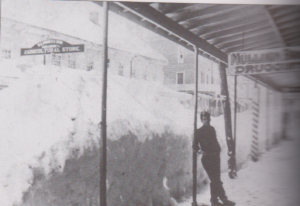
The Great White Hurricane, a nor’easter that strengthened off the coast as it passed along the Eastern seaboard surprised citizens of Milford when it struck on March 10, 1888. The storm dropped as much as three feet of snow in the town.
One of the biggest issues with the storm was that the weather was unseasonably mild just prior to the storm. Although weather forecasting was not as advanced as it is now, predictions downplayed the storm due to the mild weather. In A History of Milford, Delaware, compiled by the Milford Historical Society, the Great White Hurricane is noted as an event that “seized the public imagination and fascinate it.”
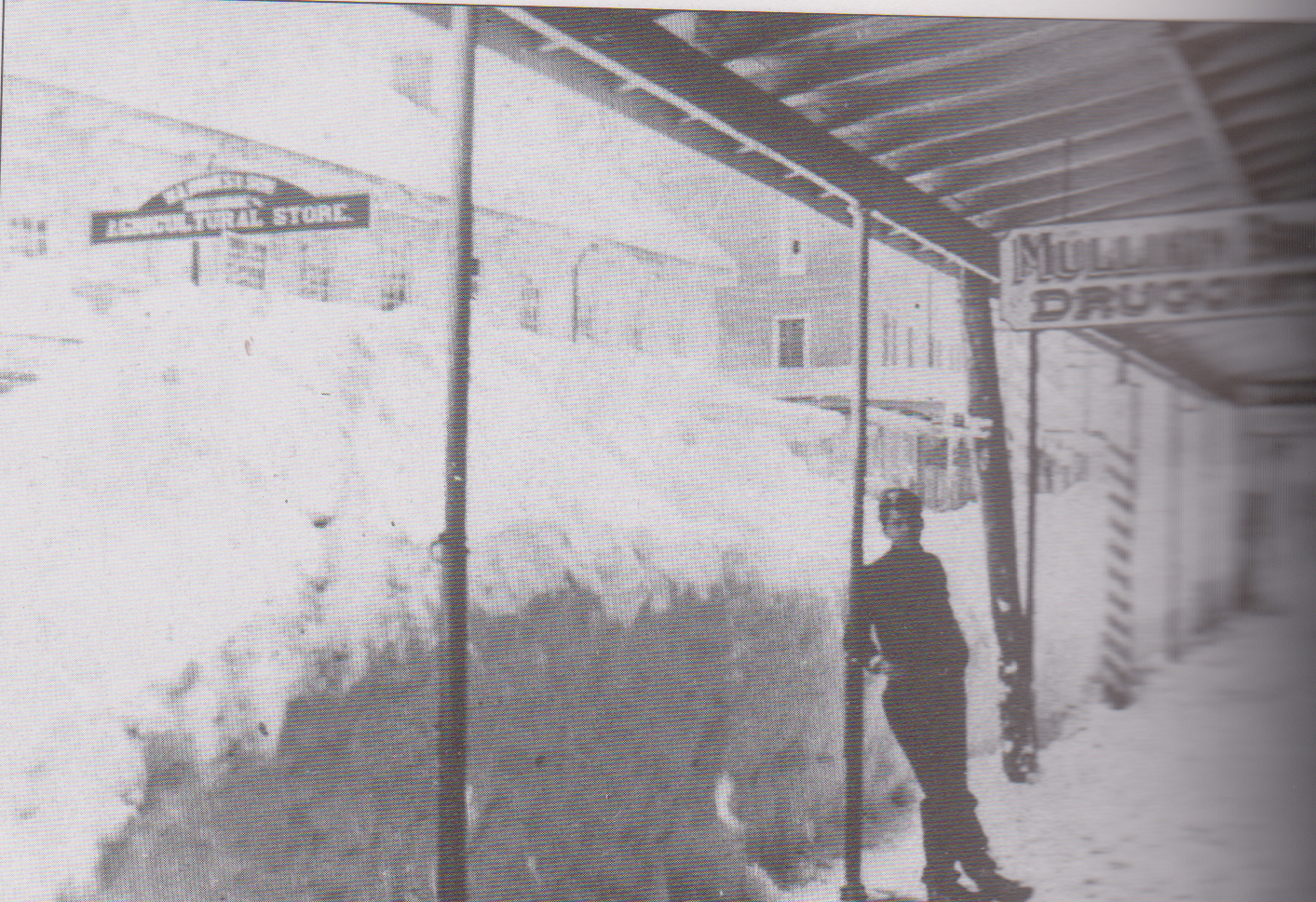
“We have had many fires and many bad snowstorms, but none have been the subject of fireside talk like the Blizzard of 1888,” the book reads. “Who has not heard of the snow tunnel dug across Walnut Street.”
The temperature on Saturday was about 50 degrees, but this changed rapidly. The book continued with a newspaper account of the storm.
“On Sunday, the wind blew from the southeast and rain began to fall in the afternoon, continuing until about 11:20 PM when the wind jumped to the northwest and once blew a hurricane” the account reads. “Houses rocked and trembled, trees were blown down, roofs taken off and everything loose was swept before the wind. In about an hour, the rain changed to fine snow and the mercury sank rapidly, going down to 10 degrees by morning.”
According to the newspaper account, snow stopped falling around daylight and the sun came out, but the wind blew at a rate of 65 miles per hour, filling the air with very fine snow.
“In places, it drifted into high banks and filled every crevice. It blew again on Tuesday as fierce as the day before and the snow again fell from the northwest,” the account continued. “Railroad and highways were blocked and stopped. Small buildings and fences were blown down and the tin roof was stripped from Marshall’s Mills. The train from Lewes got stuck and it did not reach here until Tuesday and for three days, two engines were used to pull two cars and none came on time.”

According to another newspaper account, published March 12, 1888, all railroad traffic was stopped while telephone and telegraph transmissions were down. Towns were completely isolated as vehicle traffic was completely blocked. Trees were torn up by the roots, chimneys blown down and buildings damaged.
In Milford, snow was shoveled onto Walnut Street to allow customers to walk on the sidewalks. At that time, there was a canopy over the sidewalks. For over a week, Walnut Street was impassable and, as mentioned in the newspaper account, tunnels were required to allow shoppers to cross the street. A photo taken from the second floor of the National Hotel which stood where Penny Square stands today showed snow above the first floor windows.
According to the National Weather Service, snow totals reached as high as 40 to 50 inches across parts of New England. Over 400 people died in the storm. Most of them lost their lives as the economy was struggling, requiring many to try to get to work despite the weather conditions. In addition, more than 200 ships were destroyed along the East Coast. In Lewes, 23 vessels were reported to have run aground and there were reports that 18 sailors were frozen to death in the rigging of the boats. Many of the boats had been brought into the harbor for safe haven from the storm.
The storm finally ended on March 14 and shovel brigades hired by railroads to clear tracks and get supplies where they needed to be. In some areas, since the most common transportation was horse and buggy, travel was stopped until a spring thaw melted the snow several days after the storm ended.