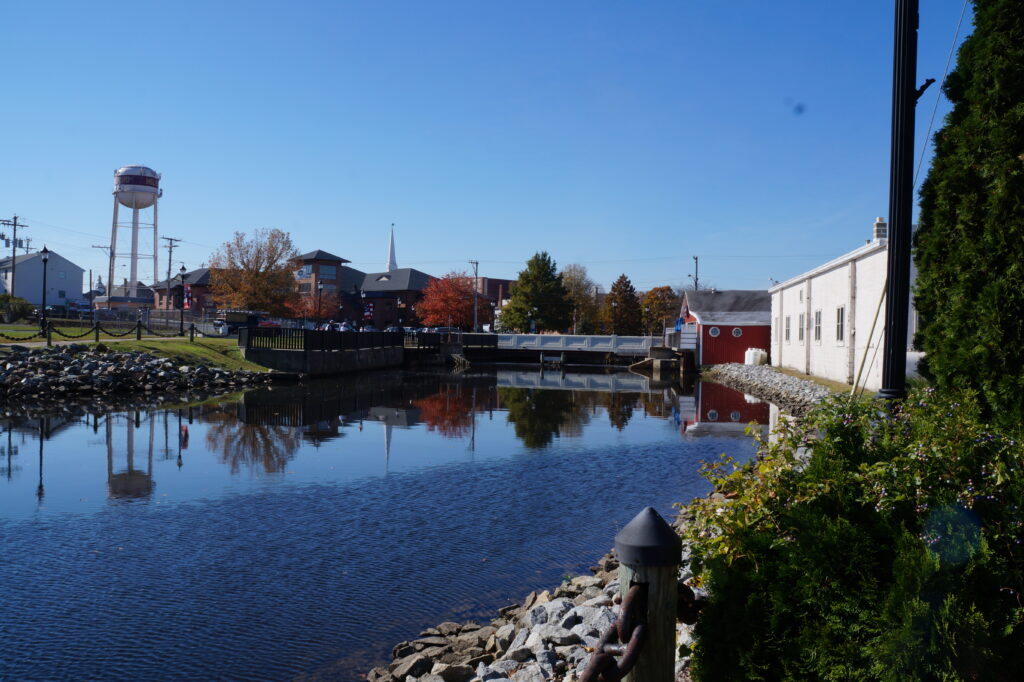





March is fast approaching and people are starting to plan their gardens. While traditional annuals usually dominate planting lists in the area, this is actually a great time to introduce native plants, those that naturally adapt to Milford’s climate and soil.
Native plants offer benefits that go beyond aesthetics. Because they evolved in this region, they require less watering, fewer fertilizers and less pest control than non-native plants. This makes them more cost effective and environmentally friendly.
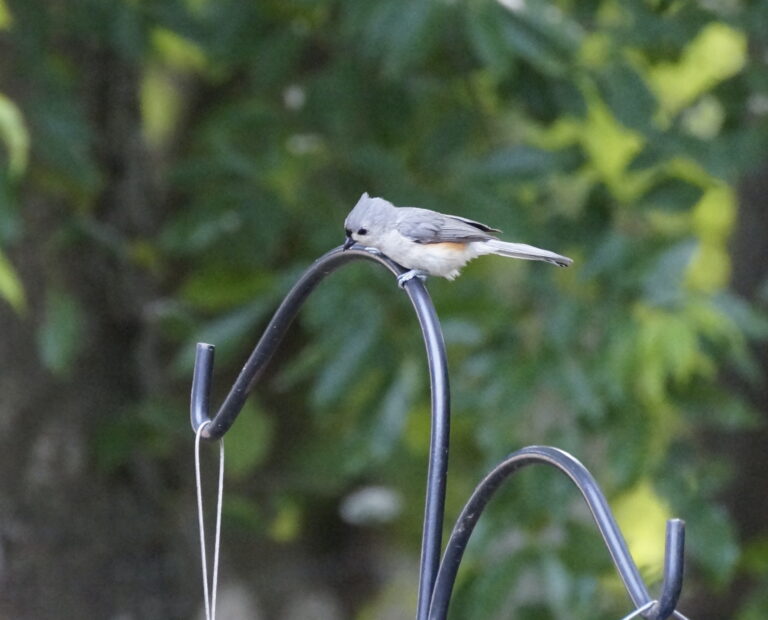
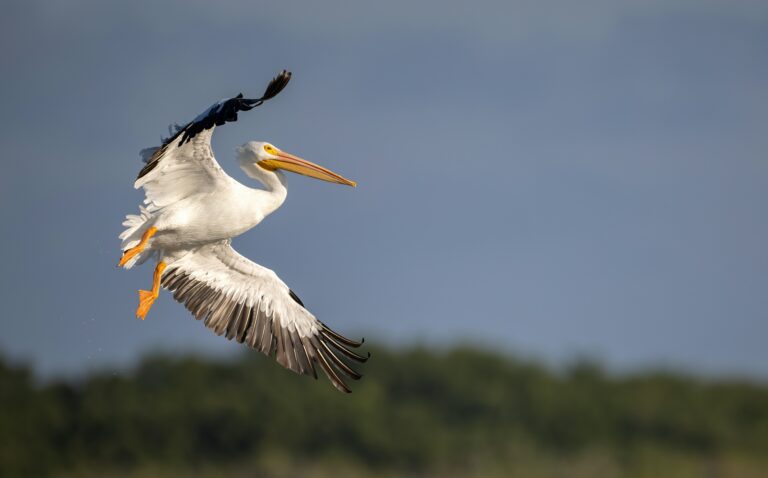
Native plants also provide critical habitats for pollinators, birds and beneficial insects. Native plants contribute to the entire food web as bees, butterflies and songbirds rely on those types of plants to survive.
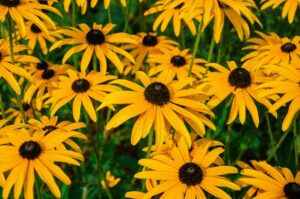
There are plants that you can add to your garden as early as March. Black-Eyed Susan is a bright, cheerful bloom that thrives in full sun. If you plant in early spring, the plant is able to establish strong roots before summer. These flowers attract bees and later provide seeds for birds.
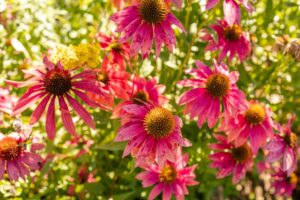
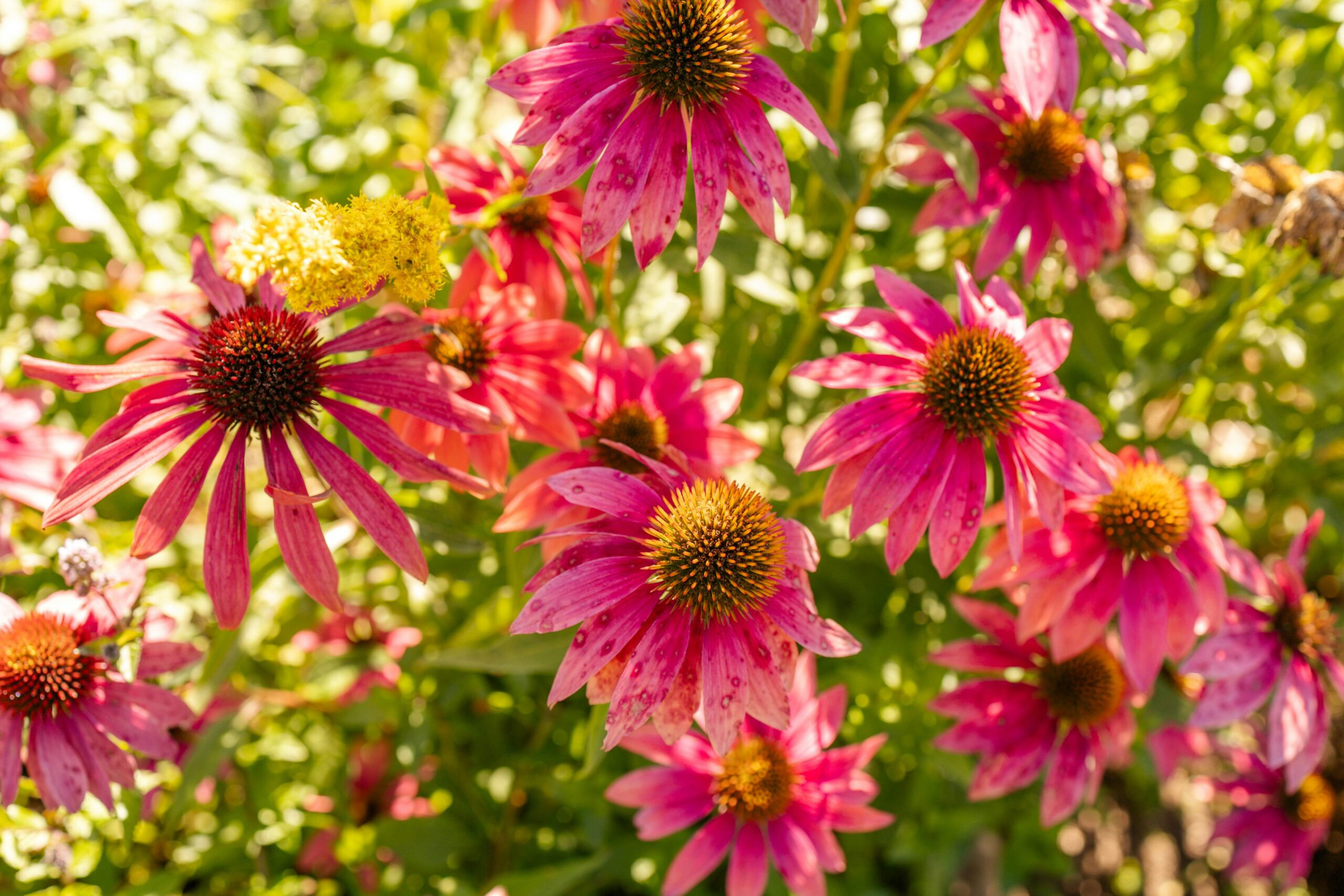
The purple coneflower is another plant that can be planted in early spring. It tolerates a variety of soils and actually does better if you plant it early. The purple blooms appear in summer. Butterfly weed is the perfect plant to attract monarch butterflies and it prefers planting in cool spring soil. Place it in a sunny, well-drained location.
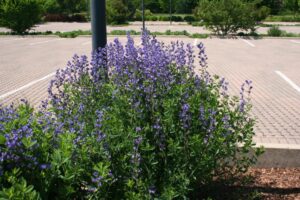
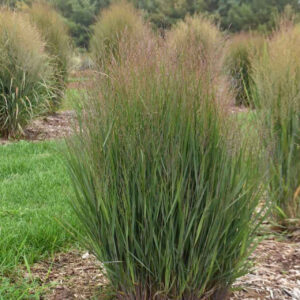
Another native shrub-like perennial that an be planted in early spring is the blue false indigo which produces spikes of blue flowers. It is also highly drought resistant when established. There is also switchgrass, an adaptable native gras that can be planted in March. Not only does it add texture to landscapes, it stabilizes soil and provides habitat for birds.
The Eastern red columbine is an early bloomer which means it is perfect for planting in the spring. The red and yellow flowers it produces attract hummingbirds.
Gardening experts advise starting with a modest garden or border. Group plants in clusters so that pollinators can easily locate them and create a stronger visual impact. Be sure to water March plantings often until roots are established, especially if the area sees less rain than normal in March.
To learn more about native plants, consider joining the Milford Garden Club. Membership information can be found by visiting them on Facebook.