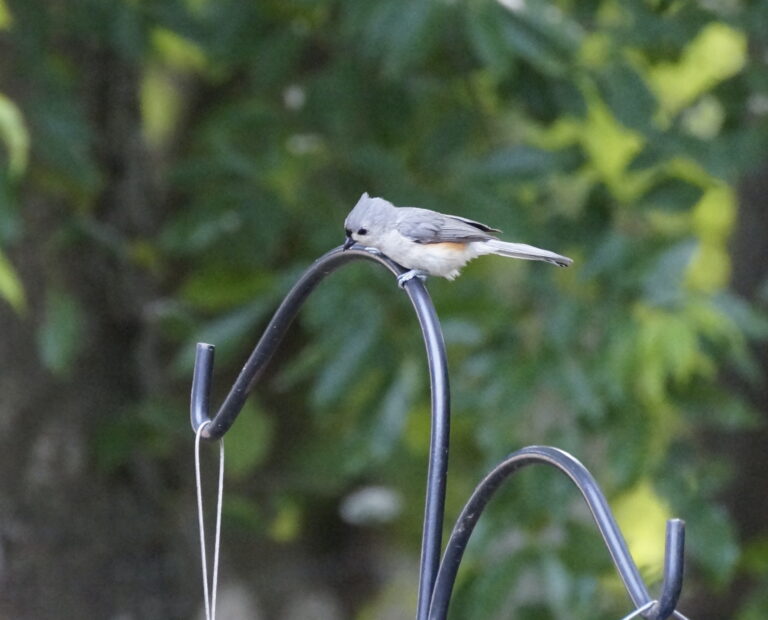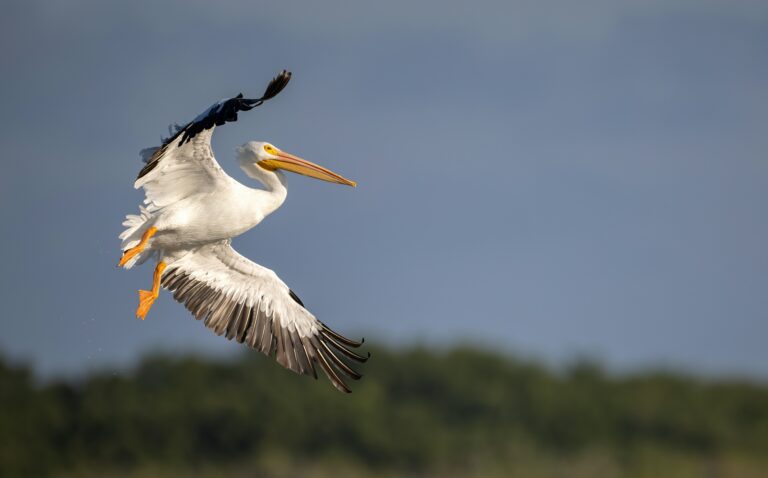



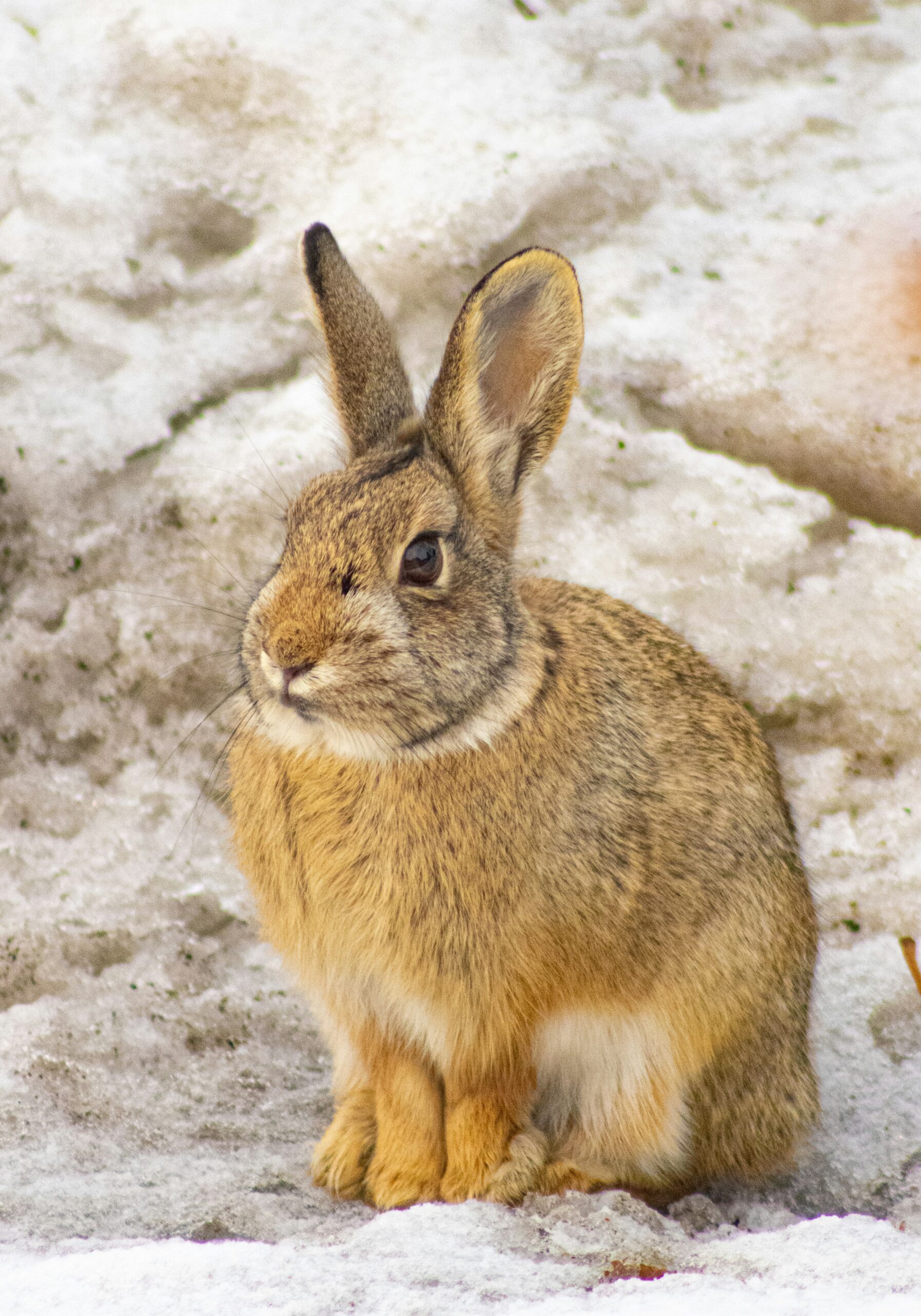


This weekend’s winter storm brought to light the plight of animals and birds in the area. Food is hidden and water frozen during winter weather, causing animals to expend additional energy to find food. There are ways that people can help without putting the animals at risk.
“Snow cover limits access to seeds, grasses and insects, forcing birds and small mammals to search harder for calories,” nature experts say. “Backyard feeders can provide critical support, especially when it is going to be cold for a prolonged period, as is predicted this week. Choose high energy foods like sunflower seeds, suit, cracked corn and nuts.”
Experts also say that feeders should be cleaned regularly to prevent the spread of diseases. Larger animals like deer should not be fed directly. Sudden changes in their diet can disrupt digestion and cause serious harm. Instead, leaving natural vegetation undisturbed and avoiding unnecessary clearing can help larger animals forage safely.
“Water is also necessary,” experts say. “Although some think that snow is a water source for animals, it is actually harder for them to digest the snow. Instead, provide unfrozen water in shallow bowls that you refresh daily. If possible, invest in a heated birdbath to keep water available to birds. Just like feeders, be sure to feed birdbaths often as well.”
With snow accumulation and cold winds in the area this week, experts say birds and small animals are at risk for hypothermia. Birds look for dense shrubs, evergreen trees and sheltered structures for protection from bad weather.
“Leave brush piles, fallen leaves or native plants throughout the winter,” experts advise. “Nest boxes designed for roosting, not for breeding, can also offer refuge for small birds when it is extremely cold. Keep in mind that just seeing an animal in snow does not mean it needs help. Most wild animals are well adapted to winter conditions, so do not attempt to capture or relocate wildlife. That an actually cause more stress and may be against the law.”
If an animal is clearly injured, trapped or in immediate danger, intervention may be necessary. Contact local wildlife rehabilitators or animal control authorities rather intervening yourself. Winter is a test of endurance for wildlife, but it’s also a reminder of how closely human environments and natural ecosystems overlap. By providing modest assistance like food, access to water and natural shelter, people can help wild animals more comfortable during the cold months.