




 Although the weather has turned colder as the winter season arrived, there are still fun things to do outdoors. When you get out into the fresh area, why not take your dog with you?
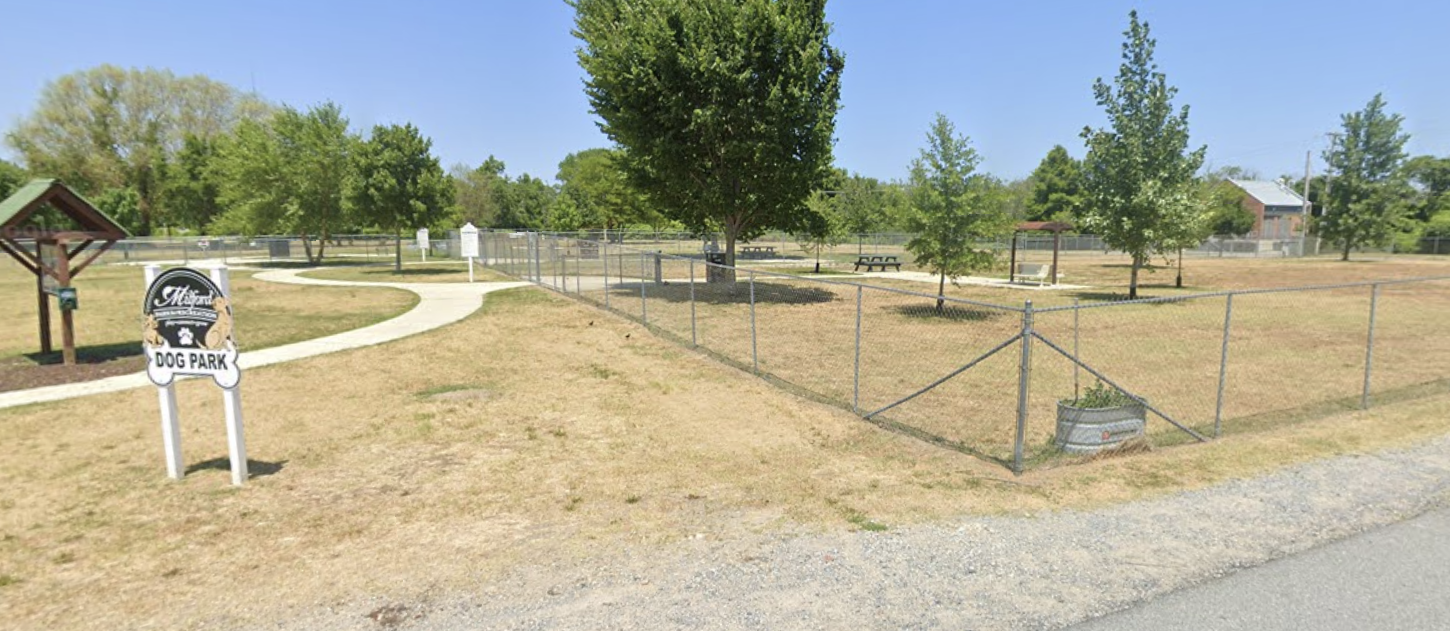
One of the best ways to let your dog run off some energy is at the Milford Dog Park. The park has separate sections, one for small dogs and one for large dogs. There are also benches, water fountains and an open grassy field for the dog to run. Dogs can be unleashed at the park, but because it is near the river, it can be cool. Be sure to wear warm clothing and follow posted safety rules. Dogs must be licensed and vaccinated with tags on their collars to prove they comply. Owners should have a leash with them for entry and exit. The park is located at 1 Marshall Street, Milford.
The dog park is actually at the end of the Mispillion Riverwalk, so consider parking downtown and walking the Riverwalk to get there. Dogs must be leashed and be sure they can manage being around wild waterfowl as the geese are plentiful. The Riverwalk is paved and relatively flat, making it the perfect place to wander when the weather is crisp.
Abbott’s Mill Nature Center is dog friendly with five miles of trails through marshes and woodlands. Dogs will enjoy the many places to sniff while humans will enjoy the views of the scenic pond. Abbott’s Mill is located at 15411 Abbott’s Pond Road, Milford.
Although it is always a good idea to get dogs out into nature for exercise, it is also important to recognize severe weather can be dangerous to them, especially toy breeds, short-haired dogs, older dogs and some with health conditions.
If a dog is shivering, whimpering, lifting their paws off the ground or slowing down, take them inside as soon as possible. Snow, ice and de-icing salts can irritate dog paws, so before going outside, put paw balm or protective wax on the dog’s paws. Dog booties are another option, especially for older dogs or breeds with sensitive pads. When you return home, wipe the dog’s feet to remove any salt or chemicals.
Some dogs handle cold weather better than others. Breeds with thick double coats, like Huskies, Corgis or Malamutes can manage in cold weather better than dogs with short hair, like Greyhounds or Chihuahuas. For dogs that are cold sensitive, use a dog sweater or coat and avoid extended exposure if the weather is extreme. For those dogs, take shorter, more frequent outings.
Even in the winter, dogs can easily become dehydrated. This is especially true at dog parks, so pack water and check that your dog drinks when it returns home.
If the temperature drops below zero, keep adventures short. Extreme cold can lead to hypothermia and frostbite. This is especially true of short haired dogs, senior dogs and dogs with little body fat. Instead, consider indoor play or short, supervised yard breaks instead of a lengthy walk.
Winter does not mean hibernation for humans and dogs. When the weather is not severe, keep dogs and humans active with walks, outdoor play and adventure. Just keep in mind your dog’s breed and how well they tolerate the cold.