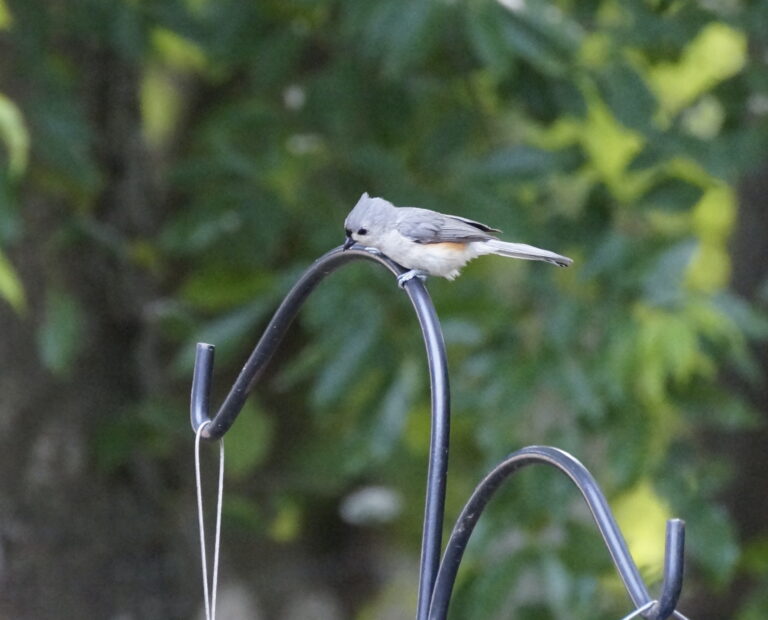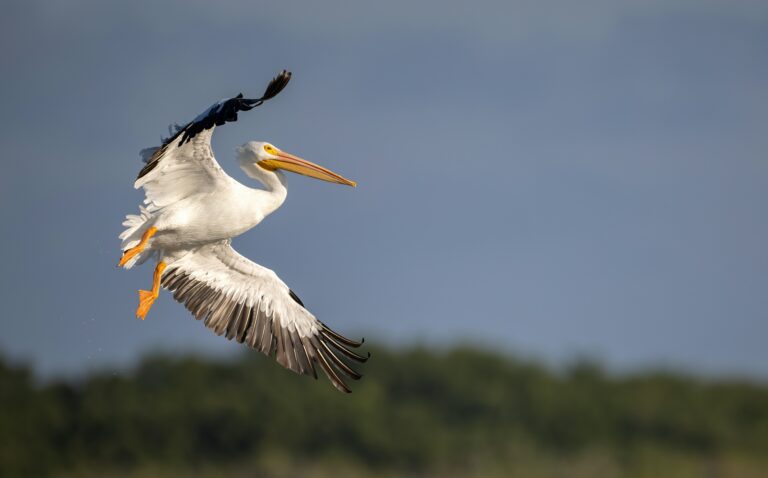



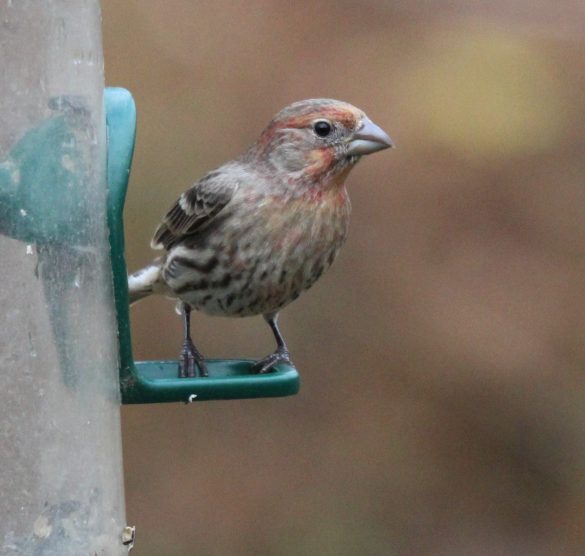


Although the weather is cold, creating and preserving habitats for native birds is increasingly important. As the human population grows, bird habitats are disappearing rapidly. With urban areas expanding, natural birding areas are lost. One way to provide an oasis for local birds is to create a birding garden with native plants that will sustain them through the winter.
“Only plants that are native to a region provide food for the insects that birds depend on to feed their young,” the Delaware Audubon Society, said. “Plants from other parts of the world are not a food source for insects. Not only that, but they also displace plants that are. Property owners who are concerned about the fragile bird population should consider replacing non-native plants with beneficial native plants.”
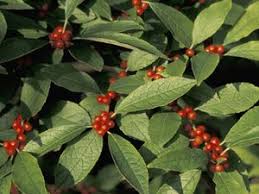
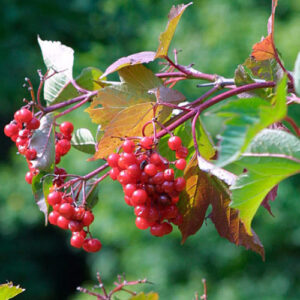
Native berry shrubs that attract birds include winterberry holly, dogwood, viburnum and bayberry. Echinacea, sunflowers and other grasses, even though they are dormant in winter, leave seed heads that birds use for food. Leave coneflowers, Black-Eyed Susan’s, goldenrod and asters standing as they are good food sources for finches, sparrows and juncos.
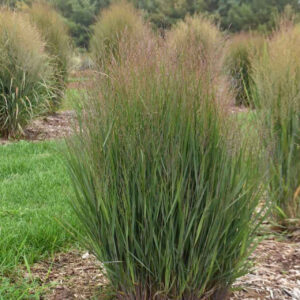
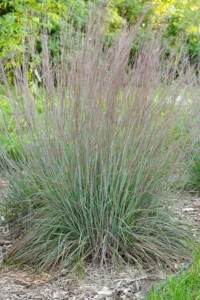
Switchgrass and Little Bluestem also provide seeds and vital winter cover for native birds while Eastern Red Cedar and American Holly also create habitats. Virginia Creeper offers birds berries and shelter as well.
“Humans can also assist the birds by leaving leaf litter as it is a great protein source for birds,” the Audubon Society said. “Stack fallen branches in quiet corners for birds to hide from the weather and predators. Keep a bird bath heated or provide fresh water daily and install roost boxes with dry grass, placed facing the south to catch the winter sun. Supplement natural food with suet and seeds, but be sure feeders are safe and accessible near cover.”
The Audubon Society suggests placing feeders near shrubs or trees so birds can escape predators, but no so close a predator could ambush them. Bird also like variety, so supplement suet and seeds with unsalted peanuts or black oil sunflower seeds. Be sure to clean feeders and bird baths regularly.
The Delaware Audubon Society has a list of plants for a Livable Delaware as well as a list of Delaware Invasive Plants on their website.