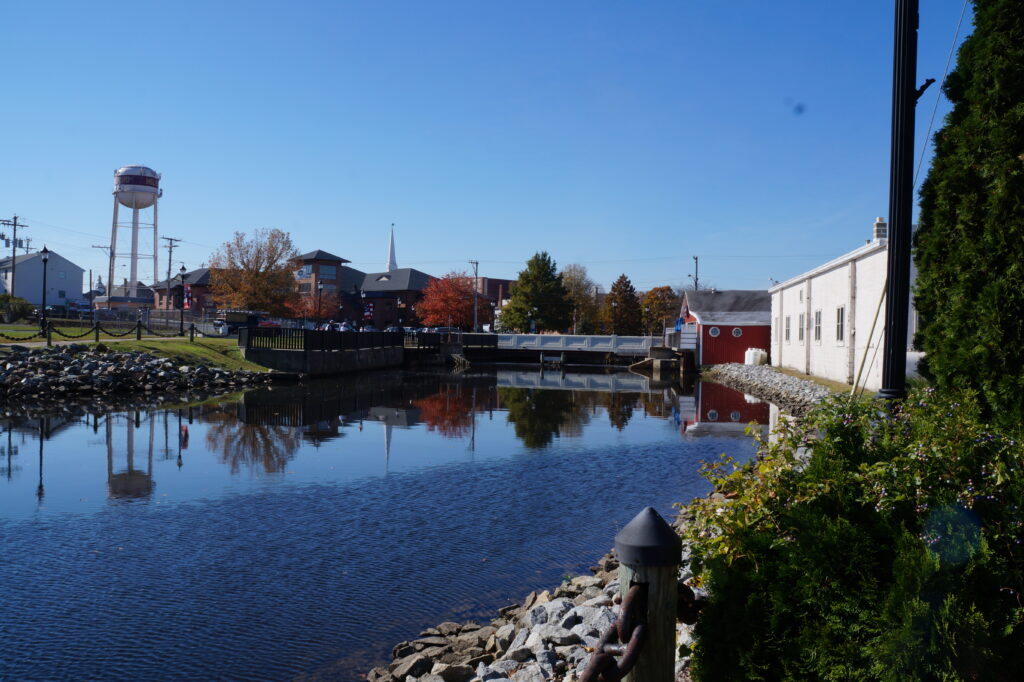



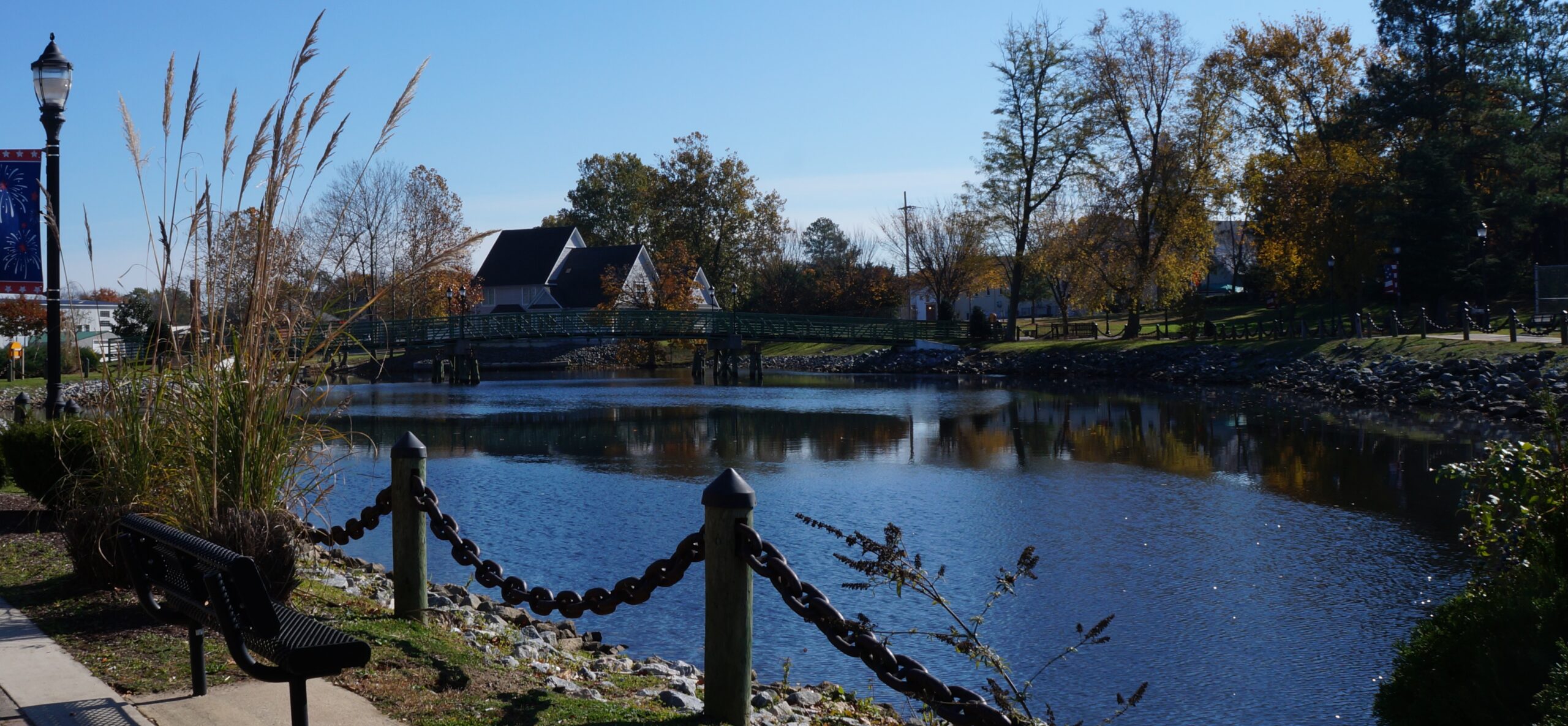


 As residents string lights, wrap gifts and prepare for holiday gatherings, nature along the Mispillion River is quietly entering its own season of preparation. Winter may bring frosty mornings and early sunsets to Milford, but for the wildlife that calls the region home, it marks one of the most important times of the year.
At the Abbott’s Mill Nature Center, staff say December brings a dramatic shift in the activity of local species.
“Everything changes at once,” explained a naturalist at the center. “While people think of winter as a resting period, the animals are making constant adjustments to survive the cold.”
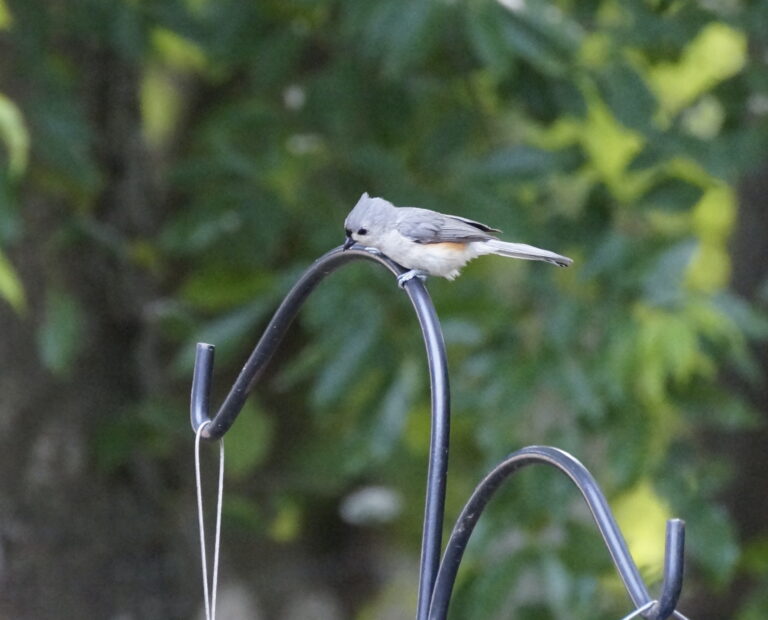
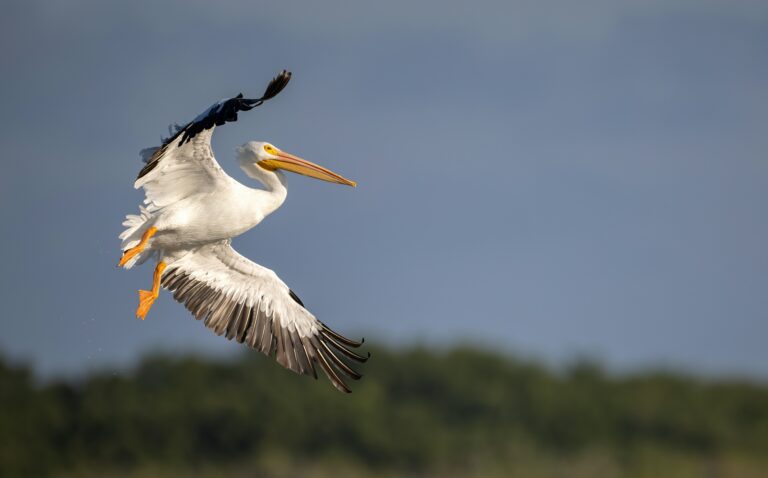
The Mispillion River corridor acts as a winter refuge for a variety of bird species. Waterfowl, including buffleheads and hooded mergansers, begin appearing in greater numbers on the river. Songbirds such as kinglets and white-throated sparrows find shelter in the brush along the Riverwalk.
Perhaps the most celebrated winter visitor is the snowy owl, which occasionally appears along Delaware’s coast during irruption years. While sightings near Milford are rare, birders keep a hopeful eye on the skies each December.
Red foxes, common in the fields and marsh edges around Milford, become more visible in winter as they search for food. Their bright coats often stand out against frosted meadows at dawn.
Owls, especially great horned owls, begin their nesting season earlier than most people expect. By late December, many are already establishing territories in wooded areas near the Mispillion. Their calls can be heard at night above Milford’s quiet streets.
While the river may appear still under winter’s grip, aquatic life remains active. Turtles bury themselves in the mud below the waterline, entering a slowed-down metabolic state. Fish shift to deeper pockets of the river, where temperatures stay more stable.
“People are always surprised to hear how alive the wetlands are this time of year,” said a volunteer at the DuPont Nature Center, noting that camouflage and silence often hide the signs of winter activity.
Environmental educators say the holiday season is the perfect time for residents to connect with the outdoors. The Riverwalk, Abbott’s Mill trails, and areas south toward Prime Hook National Wildlife Refuge all provide winter wildlife viewing opportunities.
“Winter is nature’s reset button,” the educator added. “While we’re decorating homes and baking cookies, the animals around Milford are doing their own kind of preparation—gathering food, building shelters, and conserving energy.”
The contrast between festive human activity and quiet natural adaptation offers Milford residents a unique perspective during the holidays: a reminder that even in the coldest weeks of the year, the natural world is full of motion, resilience, and seasonal beauty.