





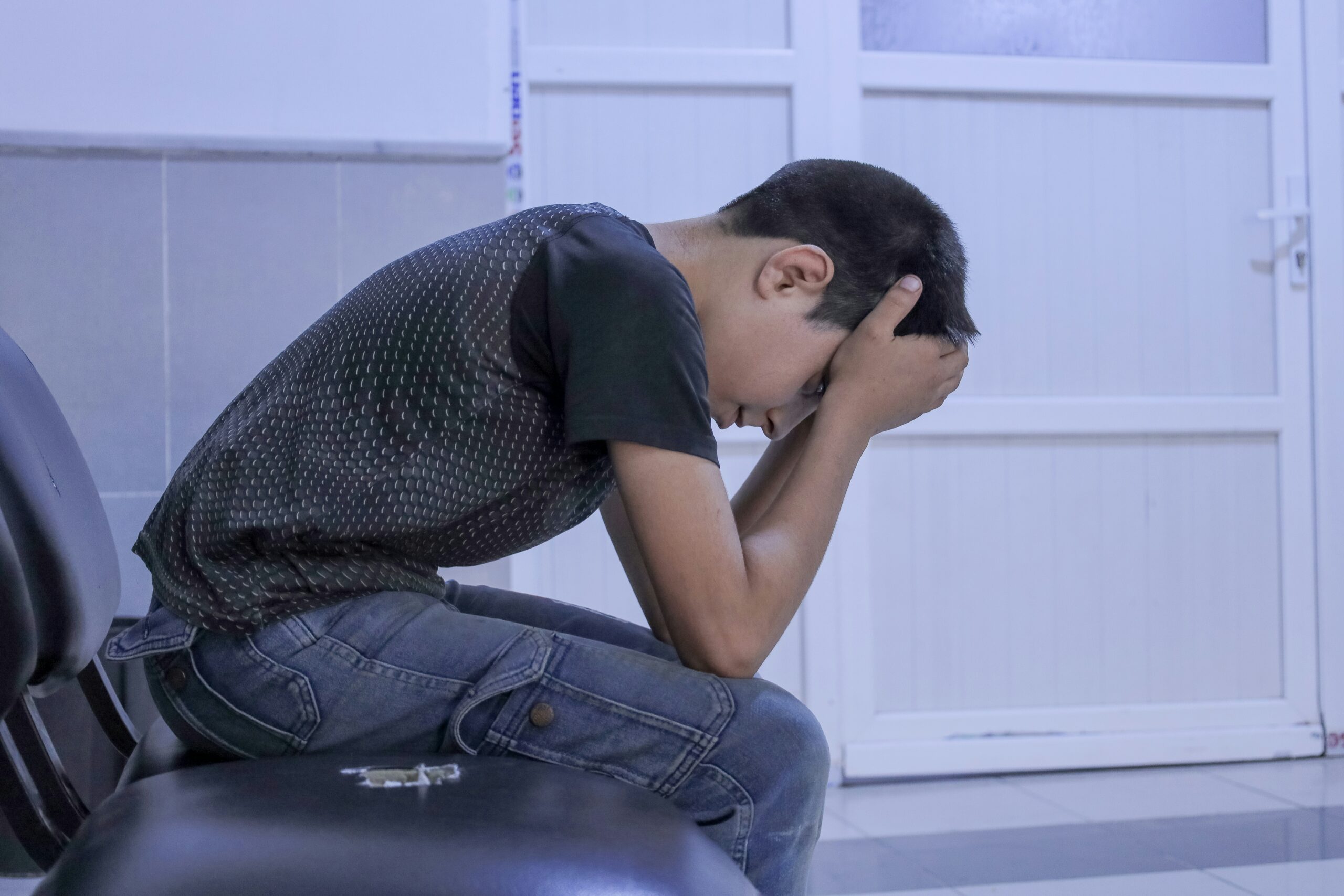


School districts, mental-health agencies and other organizations in the Milford area are sounding the alarm about a growing need for child and adolescent behavioral health services. The growing need is straining local systems, according to experts.
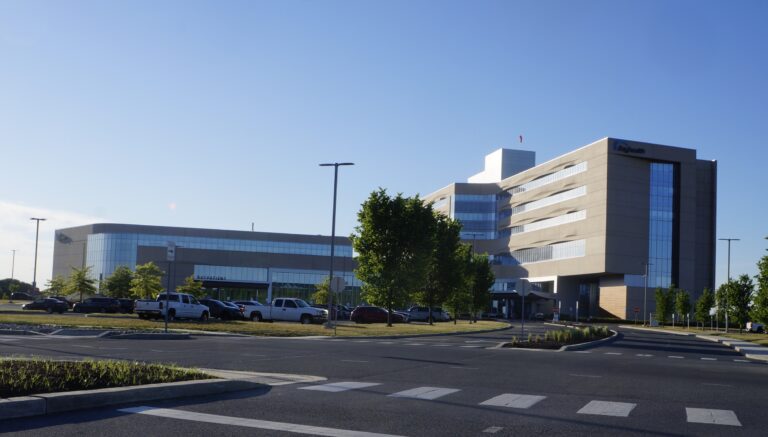
Bayhealth released a 2025 Community Health Needs Assessment which noted mental health as one of the top concerns for residents in the area. The report found rising incidences of anxiety, depression and behavioral issues among children since the COVID-19 pandemic. In rural communities where transportation and provider shortages make quick care difficult is leading to gaps in assistance for those who need it.
Delaware’s Division of Prevention and Behavioral Health Services (DPBHS) which coordinates prevention and treatment for children has also documented increased use of crisis and outpatient services and continues to focus on school- and community-based interventions to catch problems early. A 2024 report highlights work that expands access, but notes that continued workforce shortfalls that may cause delays for some families.
Pediatric practices at Bayhealth report more children and adolescents are reporting anxiety, depression and behavioral concerns which has led them to expand their behavioral health offerings in clinics. This focus on meeting the needs of families is a trend reflected across health systems in Kent and Sussex Counties. Experts state that the earlier there is intervention, the less likely a crisis will occur, but families often encounter significant waits for specialists like child psychiatrists or psychologists.
Schools have stepped in to provide supports with many school-based health centers and local counseling partnerships working to address behavioral health needs of students. This allows prevention tools where children already are, shortening the timeframe they can get care. It also reduces stigma as organizations are able to partner with the schools to provide short-term counseling, crisis assessment and classroom support.
However, stigma remains one of the biggest issues when it comes to children and families looking for help with mental and behavioral issues. Parents may be concerned their child will be labeled or treated differently by teachers and peers if they admit there is a mental health problem. Often, children are afraid of teasing or exclusion if they visit a counselor or take medication. Mental health professionals point out that it is critical to address these perceptions in order to heal those who may be suffering.
“We have to normalize mental health as part of overall health,” said one local school counselor. “Kids shouldn’t feel ashamed for needing support any more than they would for wearing glasses or getting physical therapy.”
Community advocates say funding, workforce development, and better coordination remain priorities.“Early intervention and easier access close to home are the best investments we can make,” the Bayhealth assessment concludes, urging continued partnership between hospitals, schools, and state agencies to close gaps identified in the CHNA.
For parents seeking help, local resources include Bayhealth’s pediatric and behavioral health services in Milford, Milford School District Wellness Centers, and statewide DPBHS programs that offer prevention and crisis response. Nonprofit counseling programs provide short-term school and community-based services intended to bridge families to longer-term care when needed. Families in immediate crisis should contact local emergency services or state crisis lines listed on provider websites.