



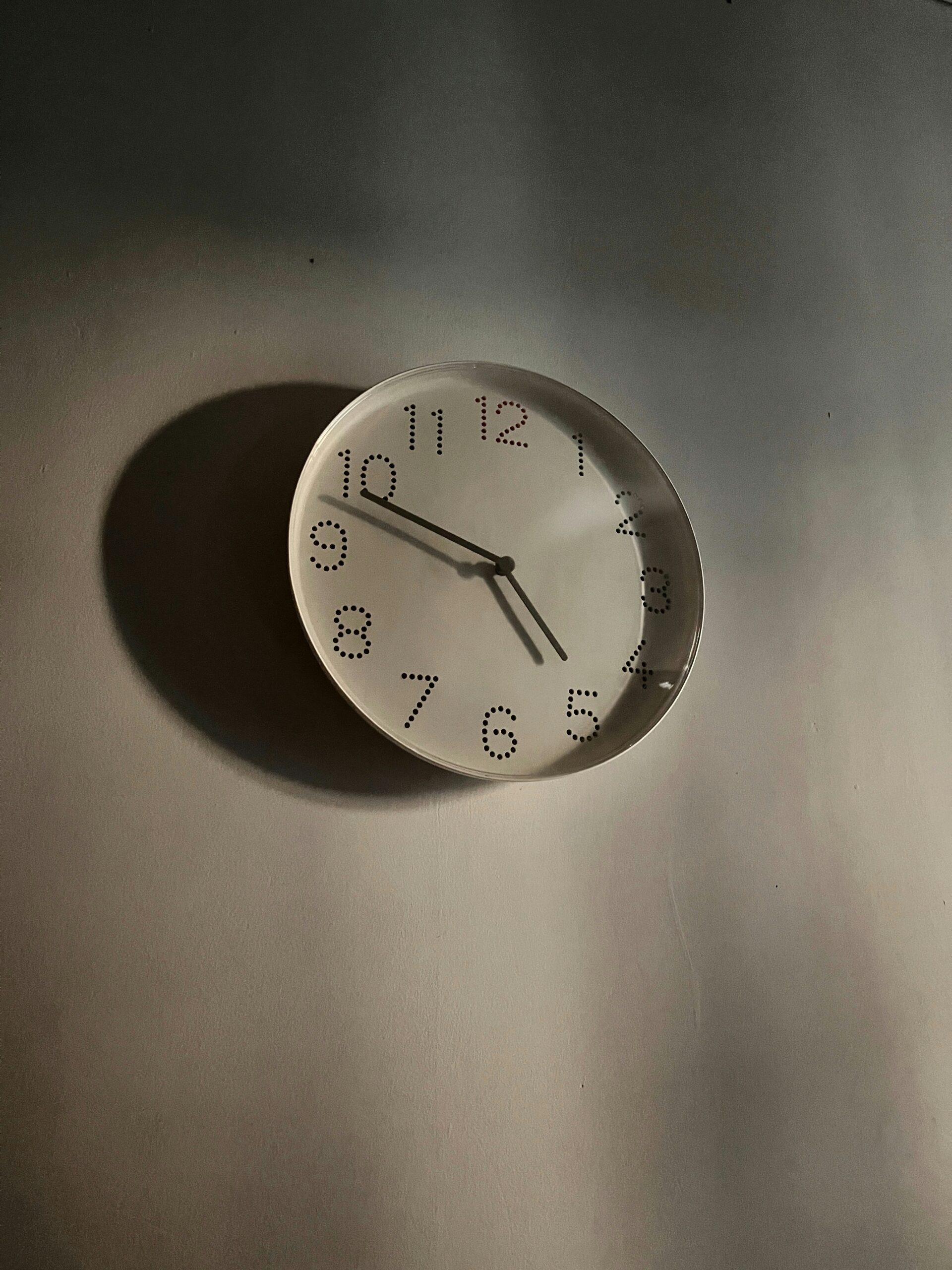


The clocks “fell back” this weekend as Daylight Savings Time ended, giving everyone an extra hour of sleep, something many Delawareans looked forward to. However, not everyone enjoys the seasonal time change as they deal with grogginess, disrupted sleep patterns and even mood changes as days now will get dark early.
Although the end of Daylight Savings Time brings mornings that brighten earlier, the dark arrives earlier. Not only can this impact moods, it is also a clear sign that winter is approaching. Local experts say the shift, though small, can take a toll on internal clocks and daily routines.
“Any change to your sleep schedule, even just one hour, can affect how alert and energetic you feel,” said Dr. Elaine Porter, a sleep specialist at Bayhealth Sleep Care Center, “Your body doesn’t automatically adjust overnight. It needs time and consistency to get back in sync.”
One way to limit the impact of the time change is to limit caffeine after 2 PM and turn off electronic devices at least 30 minutes before going to bed. Although it may seem as if scrolling on your phone relaxes you, the blue light emitted from phones and televisions can interfere with melatonin production. This makes it harder to fall asleep when you want.
She also recommends limiting caffeine after 2 p.m. and turning off electronic devices at least 30 minutes before bed. The blue light from phones and televisions can interfere with melatonin production, making it harder to fall asleep at your intended time.
Another way to reset your internal clock is to get up at the time you did during Daylight Savings Time instead of the hour later. Get outside into the natural light as it can regulate your circadian rhythm. This is the system that controls alertness and sleep.
“Try to take a short walk early in the day, even if it’s just around your neighborhood,” said Dr. James Liu, a psychologist with ChristianaCare Behavioral Health. “Morning sunlight can help your body recognize that it’s time to be awake and active, which can improve your energy and mood.”
Liu also suggest dimming your lights in the evening which can help your body wind down and relax.
“If you find yourself feeling down or unusually tired, it’s not just in your head,” Liu said. “Light has a powerful effect on mood.”
One suggestion is to use a light therapy lamp or get outside as much as you can during the day. Regular exercise and connecting with friends or family can also help combat seasonal blues.
The time change weekend is also a great reminder to take care of a few important home safety tasks. Fire departments across Delaware, including the Carlisle Fire Company, encourage residents to use the “fall back” reminder to replace batteries in smoke detectors and carbon monoxide alarms.
“It’s a simple habit that can save lives,” said Chief Shawn Hinton. “Check your alarms twice a year. Do it in the spring when we ‘spring forward’ and again in the fall when we ‘fall back.’”
Even though the evenings get dark earlier which can take some time to get used to, it is also a time for you to slow down and recharge. This is a great time to enjoy family dinners, take the time to read together or rest prior to the busy holiday season.
“Instead of fighting the time change, think of it as an opportunity to realign your routine,” Porter said. “Go to bed earlier, make time for relaxation, and use this season to focus on your well-being.”
As Delaware settles into standard time, a few small adjustments can help ease the transition which can keep you rested, alert, and ready to make the most of the shorter days ahead.