




With a petition circulating in the City of Milford calling for a moratorium on the approval of developments, the city released a statement on how they are managing growth in the area. According to the statement, city leadership is committed to maintaining transparency and proactive planning.
“We want to assure residents that our leadership continues to take strategic steps to ensure that growth remains balanced, sustainable and aligned with the needs of our current and future residents,” Lauren Swain, Economic Development and Community Relations Director, said. “We felt we should address the concerns of citizens regarding the pace and growth in our area.”
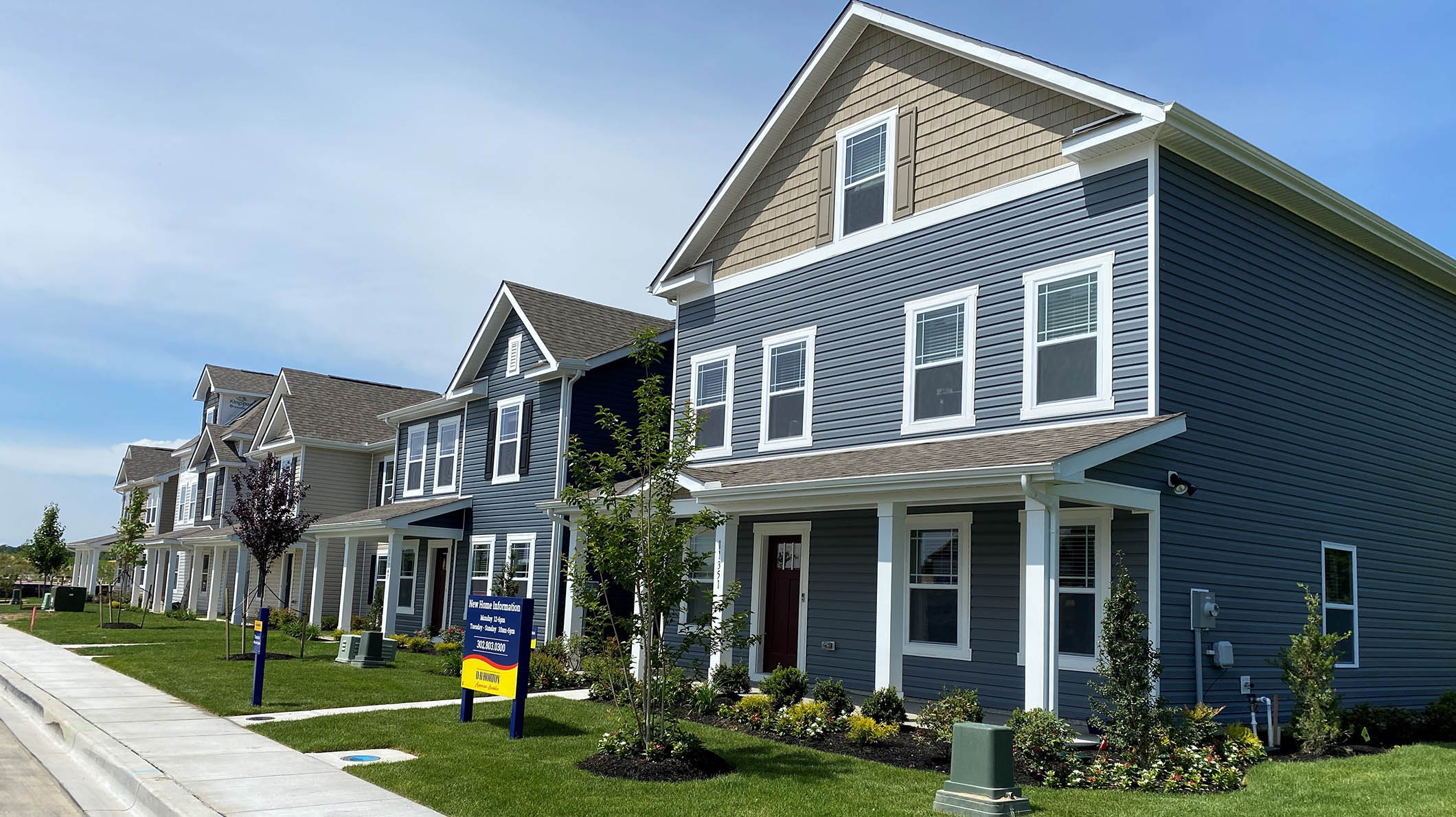
According to the 2018 Comprehensive Plan, approximately 45 percent of total acreage within city limits was either vacant or designated as agricultural use that was available for development. Currently, there are 1,118 single-family detached homes, 202 single-family semi-detached homes, 781 townhomes, 839 multi-family residential units and 488 condominiums, totally 3,428 units. In addition, there are approximately 650 acres that are vacant and zoned as residential that could be developed for as many as 3,300 residences.
“Since 2015, we have averaged 170 permits for new dwelling units each year with 2020 the peak year with 371 units,” Swain said. “Assuming 200 new units built every year, it would take 17 years to build out all approved projects and 19 years to build out approved and proposed projects. It would take 36 years to develop all projects in all available vacant land within city limits.”
The city has taken several steps to improve critical infrastructure and services to meet the approved growth, Swain explained. To accommodate increased demand, the city has invested in expanding and modernizing sewer and water systems. Some of the recent upgrades improved capacity and reliability, with ongoing assessments to ensure infrastructure keeps up with development.
“Each annexation, major subdivision and site plan application is reviewed to determine the impacts on the city’s water and sewer system,” Swain said. “Developers are required to construct and/or fund infrastructure improvements needed to serve their projects. Our municipal electric department continues to enhance grid reliability through infrastructure upgrades and increased use of smart technology.”
Improvements to the electric service support both residential and commercial growth while promoting electric efficiency. Like sewer and water, every annexation and major subdivision plan application are reviewed to determine the impacts on the city’s electric system, and, like sewer and water, developers must construct or cover the costs of infrastructure improvements. The city also conducts quarterly energy forecasts that account for changes in existing usage as well as new connections to ensure the supply meets demand.
“The city is working with regional and state partners to improve traffic flow, enhance road safety and expand public transportation options,” Swain said. “The city continues to work with Dover/Kent County Metropolitan Planning Organization (MPO) in the development of the Metropolitan Transportation Plan which guides transportation investment activities at the state level. The city has also partnered with DelDOT on the development of the SE Milford Transportation Improvement District (TID) which will guide and implement road improvements on the southeast neighborhood of the city.”
Another area where the city is focused is on parks and recreation, enhancing the quality of life for residents. Milford continues to grow park spaces, increase recreational programming and improve existing facilities. Future projects will include developing new green spaces for both active and passive recreation in growing neighborhoods.
“One of the concerns we have heard is the pressure growth is putting on our school district,” Swain said. “We remain dedicated to supporting the educational success of our youth. We continue to collaborate closely with the Milford School District and other community partners to help ensure that our educational system remains strong, well-resourced and positioned for long-term excellence.”
Publicly available data from the Department of Education shows that enrollment in Milford School District was 4,203 students in 2013-2014. In 2024-25, that enrollment will be 4,523 students, an increase of only 320 students over the past decade. Milford Middle school will open in the fall with a capacity of 1,000 students with only 700 expected to attend when the doors open.
Another concern should a moratorium be placed on construction of new homes or developments is that it would also restrict addressing the affordable housing crisis in the area. New home moratoriums would prevent developers from constructing housing of any type and would make it more difficult for them to afford to construct new homes at lower costs. In January, Sussex County Council member Matt Lloyd started discussions about a building moratorium which was met with overwhelming public disapproval.
Several members of the community felt the moratorium would have significant unintended consequences, including a threat to local jobs while also creating a housing crisis that was even worse than it is today. Council members felt a moratorium was heavy-handed while others called it “aggressive.” Lloyd felt his constituents asked him to at least begin the discussion and that he would review statements in order to discuss with the county’s legal department how the moratorium could be implemented.
In April, Sussex County Council created a Land Use Reform Working Group to discuss smarter and sustainable development, affordable and workforce housing needs, along with the preservation of farmland and natural resources preservation. Rather than a moratorium, the working group will develop solutions that address risks of growth outpacing infrastructure, an inflexible housing supply focused on single-family homes, the pressure on environmental resources, the unpredictability of development processes, support for higher density areas in the proper locations and clearer understanding of growth areas.
One of the biggest concerns with limiting development is the balance between the preservation of farmland and natural resources as it relates to property rights. Regardless of the steps the county takes to establish more controlled growth, leadership in Milford state that they have already taken steps to be sure that growth is managed, controlled and balanced.
“The City of Milford is committed to managing growth thoughtfully and responsibly, ensuring it reflects the priorities and values of our residents,” Swain said. “We deeply value the continued engagement of our community, whose input is essential in guiding our vision and shaping the city’s future.”