




 A new law prohibiting police agencies from releasing the name or photo of anyone arrested for a crime went into effect on October 21. The law was signed by Governor Matt Meyer in July 2026.
“This Act extends certain limitations on the publication by law-enforcement of the name and photograph of crime suspects. Currently the Code prohibits the publication of the name and photograph of a juvenile suspect unless the juvenile is charged with a violent felony and the publication is necessary to protect the public’s safety,” the act reads. “This Act would prohibit the release or publication of an adult suspect’s name or photograph unless the individual is charged with or suspected of a felony and the release is necessary to protect the public’s safety.”
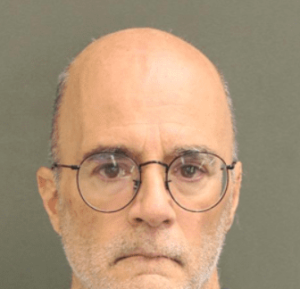
An arrest of two men involved in a shooting in Dover the weekend of Delaware State University’s homecoming shed light on how the new law would be implemented. Police agencies released silhouette photos of the two men after they were arrested but the report did not include their names. This led to outcry from citizens and lawmakers, including one who voted for the legislation.
“In the last week or so, if you’re not remembering what House Bill 59 is, basically it was a piece of legislation that would essentially manage the ability for the Department of Justice, Attorney General’s Office, and police to inform the public when a crime has been committed, who the suspects might be, who the folks that might be involved with the crime actually are. Now, before you say why would we do that, I’m going to tell you why,” Senator Eric Buckson, who voted for the law, said. “There is some merit in protecting an individual who may, in fact, may be completely innocent, and when you attach that person’s photo, name, and information to a crime that they’re completely innocent of that could live on the internet forever, and so I felt there was merit in narrowing and streamlining the process, not eliminating it.
Buckson continued, stating that he was in support of the law as long as the Department of Justice, the Attorney General’s Office, the Delaware State Police, and Fraternal Order Police were in favor of it as well. Buckson claims that he was told they were.
“That was exactly what was told to me on the floor at 3 o’clock in the morning by the sponsor of the legislation, Senator Kyra Hoffman, and so those two things combined gave me confidence that the bill was a good bill, and so I supported it,” Buckson said. “For that, I was wrong. I said that already. I’m rehashing it, but it’s important because a lot of folks out there right now still don’t know that because they’ve reached out to me given the headlines here lately that identified me as one of the ones voting for it. If your criticism is I shouldn’t have voted for it, I accept that. But if you wanted a better understanding of it, then that’s the why. I just explained to you why.”
Buckson is planning to introduce legislation in January when the General Assembly reconvenes to repeal the current law based on the fact he was misled and so were others. He has since learned police agencies were not supportive of the bill.
“Misinformation was given. You call it anything you want, but that is unambiguous. That’s what happened,” Buckson said. “I’m going to offer opportunities for the General Assembly to pull the legislation because of the misinformation, but more specifically too, because of the concerns presented by those that will have to implement it and who have said the bill needs a lot of work.”
Several police agencies posted on social media the day the new law went into effect explaining that their press releases would look much different.
“HB 59 received its final legislative approval during the early-morning hours of July 1, on the final day of Delaware’s 2026 legislative session just before 3:00 a.m. Under the new law, police generally cannot release the name or photograph of an adult charged with a crime unless the person is charged with a felony, AND, releasing the person’s name or photograph is “necessary to protect the public’s safety,” a post from Dover Police Department read. “There’s a problem: The bill does not define what “necessary to protect the public’s safety” actually means and that can vary depending on how the law is interpreted. So, when you begin seeing our arrest releases with fewer names, fewer mugshots, or less information, please know that it isn’t because we suddenly decided you deserve less information.”
The post continued, explaining what the arrest reports were designed to do.
“For years, the Dover Police Department has used press releases and social media to keep our community informed about crime, arrests, wanted persons, and public-safety concerns,” the post read. “This will also impact our friends in the media whose reporting will also be affected. We will continue releasing the limited information Delaware law allows us to with hopes that changes are made in future legislative sessions that provide clarity.”
Although the law does not restrict news media from releasing arrest information or photos, without official reports from police agencies, the media is unable to accurately report on arrests which means they are unable to provide information to the public as well. These are the flaws in the bill that Buckson wants to address.
“So, let’s get rid of the bill. Let’s start over. Let’s run it through the committee process like it should have been done. It was not done. You see, understand this: these bills are introduced early on, but there are hundreds of bills that get introduced that never get worked,” Buckson said. “And as a senator, I pay attention to bills on the Senate side because of the amount that you have to deal with. So when House bills get worked, gets approved, they come over to the Senate. Typically, that’s an opportunity then for our staff and for me through a committee hearing to properly vet it and get a clear understanding of where I should be.”
Buckson stated that without that process, bills become partisan in nature. For some, when a bill comes into the Senate that is deemed partisan, they simply vote no, but Buckson explained that is not how he wants the General Assembly to operate.
“I want to put aside politics and better understand the legislation. Sometimes it bites me in the ass. This is one of those times it did. So that’s the why. Hope it resonates with folks,” Buckson said. “I’m not looking for an excuse to get out of criticism. I’m just telling you, you asked the why. I came back to revisit it. That’s the why, and I always appreciate the folks that do want clarity. You deserve that.”
Representative Bryan Shupe, who voted no on the bill, has been outspoken against it since it was introduced in the house. After its passage, he continued to point out that this was a matter of public safety.
“During a recent Ward 4 meeting, the Milford Police Department raised serious concerns about this legislation. They explained that it could greatly hinder investigations where timing and public input are critical, potentially affecting public safety in cases that do not meet both requirements under the bill,” Shupe posted on social media. “When police share information, someone may recognize a person, come forward as a witness, or provide information that helps identify additional victims. Restricting that communication can have real consequences. Our laws must give police the tools they need to investigate crimes and protect our communities. The concerns our local officers raised deserve to be addressed.”