




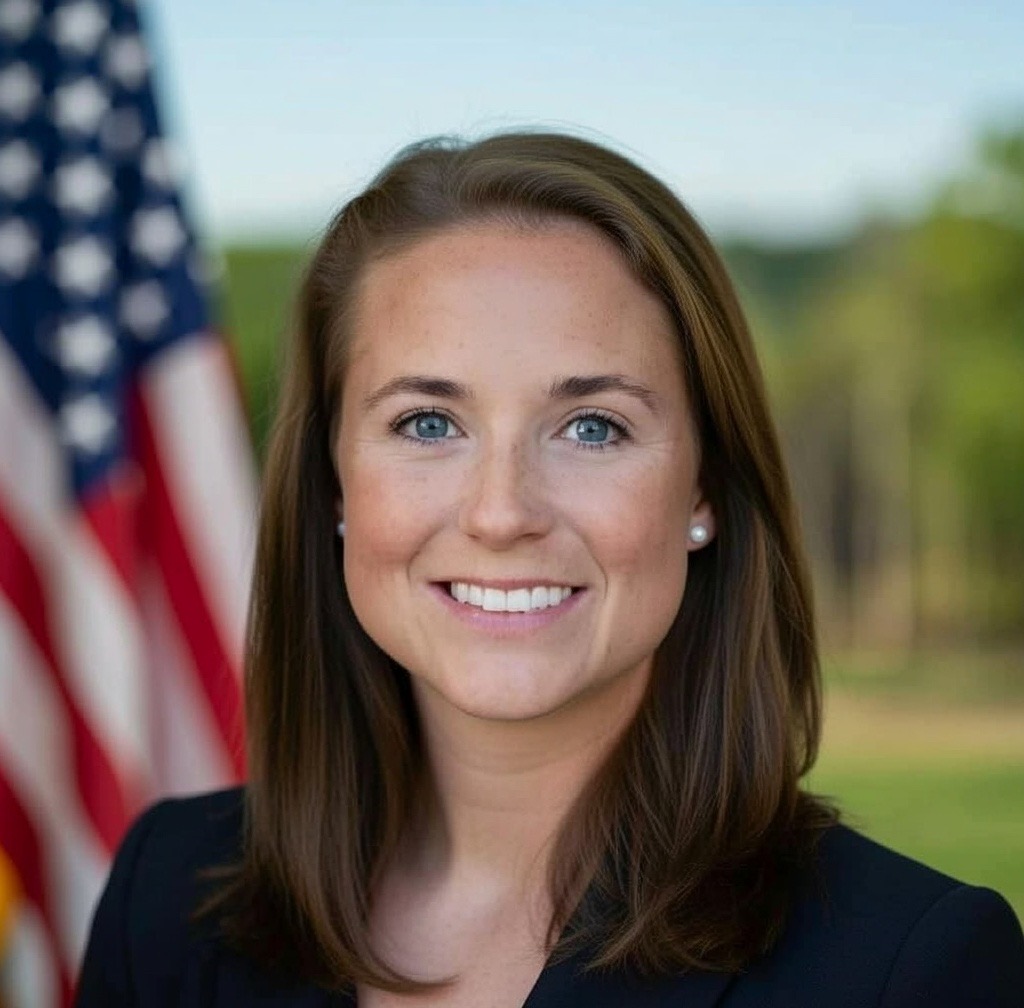
Milford Times sent candidates from the 33rd and 36th Representative Districts the following questions for the general election. What follows are their answers in their own words. As of press time, we had not received a response from Andy Gorlich.
 The southern Kent County areas continue to experience residential and commercial growth. What do you believe is the greatest challenge associated with that growth, and what action should the General Assembly take to ensure infrastructure and public services keep pace with development?
I believe the greatest challenge facing the 33rd District is that our infrastructure is not keeping pace with the amount of development taking place. Throughout my campaign, I’ve knocked on thousands of doors, and one of the most consistent concerns I’ve heard is about increased traffic, deteriorating roads, drainage issues, and the strain on schools and emergency services.
I’m not against growth, but I firmly believe growth should pay for growth. We cannot continue approving large developments and expect existing taxpayers to shoulder the financial burden of the infrastructure needed to support them.
As a State Representative, I would advocate for stronger coordination between DelDOT, local governments, school districts, and developers before major developments are approved. I would also support reviewing developer contribution requirements to ensure infrastructure improvements are adequately funded and completed when they’re needed, not years after residents have moved in.
We also need to protect our agricultural lands and encourage redevelopment of vacant properties before continuing to consume farmland.
Growth can bring opportunities, but we need to be proactive rather than reactive. Our existing residents should not have to sacrifice their quality of life to accommodate poorly planned development.
Housing costs have made it increasingly difficult for many working families, seniors and young adults to find housing they can afford. What specific state policies would you support to increase the supply of affordable and workforce housing in the 33rd District?
As someone who works in real estate and construction and owns rental properties, I understand firsthand how the cost of land, materials, labor, insurance, and regulations affects housing affordability.
I believe one of the most effective ways to make housing more affordable is to increase the supply of homes at different price points while reducing unnecessary costs associated with building them.
I would support expanding first-time homebuyer assistance, including reducing realty transfer taxes for qualifying buyers. I would also advocate for streamlining permitting processes, encouraging redevelopment of vacant and underutilized properties, and allowing greater flexibility for smaller homes, duplexes, and cottage-style developments where appropriate.
I do not support rent control. While I understand the desire to protect tenants from rising costs, I believe rent caps can discourage investment in rental housing and make it more difficult for small landlords to maintain and improve their properties.
We should also explore incentives that encourage private investment in workforce housing without placing additional financial burdens on taxpayers.
Our teachers, first responders, young families, seniors, and working residents deserve opportunities to live in the communities they serve. We need policies that make building and owning housing more attainable, not more expensive.
Little Living proposed a cottage-style development near Frederica designed to provide smaller, lower-cost homes for working residents. The project encountered obstacles under Kent County’s existing zoning and growth policies and did not move forward as proposed.
Do you believe state government should intervene when county or municipal zoning regulations create barriers to alternative affordable-housing projects such as cottage communities and tiny homes? If so, what authority should remain with local governments and what authority should the state have?
I believe the Little Living proposal near Frederica highlights an important issue: our housing needs are changing, but some of our zoning regulations have not kept pace with the types of housing people can realistically afford.
Having served on the Kent County Board of Adjustment for more than six years, I’ve seen firsthand how zoning regulations affect property owners and their ability to use their land. My general philosophy has always been that property owners should have reasonable flexibility to use their property, provided their plans do not create significant negative impacts on neighboring properties or the community.
I believe cottage communities, tiny homes, and other alternative housing options deserve serious consideration, particularly for young adults, seniors looking to downsize, and working families.
Rather than having the state automatically override local zoning decisions, I would support establishing a clearer statewide framework that allows counties and municipalities to consider these housing types without unnecessary regulatory obstacles.
Local governments should retain authority over density, traffic, drainage, infrastructure capacity, and compatibility with surrounding neighborhoods.
The state should help remove unnecessary barriers, provide technical assistance, and encourage innovative housing solutions.
We should not allow outdated regulations to prevent reasonable opportunities for affordable homeownership, but we must also respect local communities and their infrastructure limitations.
The General Assembly has considered legislation intended to increase Delaware’s housing supply by requiring or encouraging changes to local land-use and zoning practices. Critics argue that land-use decisions should remain primarily under local control, while supporters contend that Delaware’s housing shortage requires statewide action.
Where do you believe the appropriate balance lies between local control and state intervention when addressing housing affordability?
I believe land-use decisions should primarily remain with county and municipal governments. They understand their communities, infrastructure limitations, and long-term development plans better than someone making a blanket decision in Dover.
At the same time, I recognize that Delaware faces a housing affordability problem, and we need to make it easier to provide different types of housing.
With the passage of SB 23, I believe it is important to closely evaluate how the new requirements affect local governments and whether they actually result in more attainable housing.
I support the state providing incentives, technical assistance, and opportunities to modernize zoning regulations. However, I would be cautious about additional mandates that increase density without addressing road capacity, schools, water and sewer systems, or emergency services.
My experience on the Kent County Board of Adjustment has reinforced my belief that land-use decisions require careful consideration of both property rights and the surrounding community.
I would rather see the state work to remove unnecessary barriers and help communities plan responsibly than impose a one-size-fits-all solution.
We can increase housing opportunities without taking away the voice of local residents and elected officials.
Communities throughout Delaware are dealing with homelessness while local governments, nonprofit organizations and state agencies sometimes disagree over responsibility, funding and appropriate solutions. What should Delaware’s state government do differently to reduce homelessness, and what responsibility should municipalities and counties have?
I believe we need to focus more on preventing homelessness before it happens while improving the coordination of services for those already experiencing it.
Through my community involvement and work with seniors, I’ve seen how quickly rising housing costs, medical expenses, and unexpected financial hardships can put individuals on the edge of losing their homes.
One of my concerns is that Delaware has multiple agencies and nonprofit organizations providing assistance, but residents don’t always know where to turn or how to access those resources.
I would support stronger coordination between state agencies, local governments, and nonprofits so individuals can receive assistance without navigating multiple disconnected programs.
We should prioritize homelessness prevention, transitional housing, mental health and addiction treatment, and employment assistance that helps people regain long-term stability.
I also believe we need to measure outcomes. Taxpayers deserve to know how funds are being spent and whether programs are successfully helping people obtain and maintain stable housing.
Counties and municipalities should help identify local needs, coordinate with service providers, and participate in developing solutions. The state should provide oversight, resources, and coordination without assuming that every community faces identical challenges.
Our goal should be to help people achieve independence and stability, not simply continue funding the same problems year after year.
Delaware continues to devote significant public resources to addiction prevention, treatment and recovery. What do you believe is working, what is not working, and what changes would you support in how the state spends opioid settlement funds and other resources intended to address substance-use disorder?
The opioid crisis has affected families throughout Delaware, and I believe our approach needs to focus on both saving lives today and helping people achieve lasting recovery.
Programs that provide overdose prevention, access to treatment, and recovery support are important. However, I believe we need to do a better job ensuring that individuals can access continued care after their initial treatment.
Too often, people face challenges finding long-term recovery support, stable housing, employment, and mental health services. These are critical pieces of rebuilding a life after addiction.
I would support directing opioid settlement funds toward evidence-based treatment, recovery housing, mental health services, prevention education, and workforce programs that help individuals return to productive, independent lives.
I would also advocate for better access to treatment in rural areas like southern Kent County, where transportation and limited local services can create additional barriers.
Most importantly, I believe there needs to be transparency and accountability in how opioid settlement funds are distributed. We should regularly evaluate which programs are producing meaningful results and prioritize funding accordingly.
We owe it to struggling individuals, their families, and taxpayers to make sure these resources are being used effectively.
Data-center development has become a significant issue in Delaware because of concerns involving electricity demand, water use, land use, noise, infrastructure and transparency, as well as potential economic benefits. The General Assembly has considered legislation addressing data-center development, including a temporary moratorium.
Should Delaware encourage, restrict or place additional conditions on large-scale data-center development? What requirements should apply before a data center is permitted to locate in or near communities such as those in the 33rd District?
I believe Delaware should be open to economic development, but not at the expense of our residents, farmland, natural resources, or already rising utility costs.
Large-scale data centers present unique challenges because of their substantial electricity demands, potential water consumption, infrastructure requirements, and relatively limited permanent employment compared with the size of some facilities.
Before a data center is approved, I would support requiring a comprehensive evaluation of its impact on our electric grid, water resources, roads, noise levels, and surrounding communities.
One of my biggest concerns is ensuring that existing residential and small business customers are not forced to subsidize the infrastructure needed to support these facilities. Developers should be responsible for the costs directly associated with their projects.
I also believe local governments and residents deserve a meaningful voice in the approval process, with full transparency regarding infrastructure requirements and any taxpayer-funded incentives.
I would evaluate proposals individually rather than automatically supporting or opposing every project. However, if Delaware cannot adequately protect utility customers and communities under its existing regulations, I would support considering additional restrictions until appropriate safeguards are established.
Economic development should create opportunities and benefit Delaware residents, not leave them paying higher bills for someone else’s investment.
Adult-use recreational marijuana is now legal in Delaware, and retail marijuana businesses are beginning to become part of communities across the state. Do you believe Delaware’s current laws governing retail marijuana strike the appropriate balance between allowing a legal industry to operate and addressing concerns involving location, public safety and community impact? What, if anything, would you change?
Now that recreational marijuana is legal in Delaware, I believe our responsibility is to ensure the industry is properly regulated and that public safety remains the priority.
I believe local governments should have meaningful input regarding the location of retail establishments, particularly when considering nearby schools, residential neighborhoods, and other community facilities.
We also need strong enforcement against impaired driving, underage access, and businesses operating outside established licensing requirements.
As a small business owner, I understand the importance of having clear and consistent regulations. Businesses need to know what is expected of them, and communities deserve confidence that those requirements will be enforced.
Because Delaware’s recreational retail market is still relatively new, I believe we should evaluate how the current laws are working before rushing into major changes.
I would support reviewing concerns raised by law enforcement, local governments, residents, and business owners and making adjustments where necessary.
My priority would be protecting public safety, respecting community concerns, and ensuring that the laws already in place are being followed.
The 33rd District has experienced considerable residential growth, but economic development does not always produce jobs that allow residents to support a family. What industries or types of employers should Delaware work to attract to the Milford area, and what specific state policies would you support to bring more year-round, higher-paying jobs to the district?
I believe we need to focus on attracting industries that provide year-round, family-supporting careers while continuing to strengthen the businesses that already operate in our communities.
The Milford region has tremendous potential for growth in healthcare, advanced manufacturing, agriculture, construction, and skilled trades.
I believe healthcare is one of our greatest opportunities. Expanding access to medical providers, specialists, and healthcare facilities would create good-paying jobs while addressing the growing difficulty many residents face when trying to access medical care close to home.
We should also work to attract manufacturing and technical employers that provide career paths for residents who may not want or need a traditional four-year college degree.
As a small business owner working in construction and real estate, I understand the challenges employers face with regulations, permitting delays, rising operating costs, and finding qualified workers.
I would support streamlining permitting, reducing unnecessary regulatory burdens, and strengthening partnerships with Delaware Technical Community College, local schools, and apprenticeship programs to better connect workforce training with available jobs.
We should also encourage agricultural innovation, food processing, and businesses that support our farming community.
I believe Delaware should measure economic development success not simply by the number of businesses opening, but by the quality of jobs created, wages paid, and opportunities provided to local residents.
Our goal should be to make it possible for people to work, raise their families, and build successful careers right here in the 33rd District.
Milford sits in both Kent and Sussex counties, meaning decisions involving roads, housing, economic development, schools and infrastructure often involve multiple levels of government. What is one state-level investment or policy change you believe would have the greatest positive impact on the Milford area over the next several years, and how would you work to accomplish it?
I believe one of the most important investments we can make in the Milford region is improving our transportation infrastructure and how we plan for future development.
Milford continues to experience significant residential and commercial growth, but many of our roads and intersections were not designed to accommodate the increased traffic we’re seeing today.
Throughout my campaign, I’ve heard concerns from residents about congestion, road conditions, and the challenges of getting around our growing communities.
Because Milford spans Kent and Sussex counties, transportation planning requires coordination between DelDOT, the City of Milford, both county governments, and surrounding communities.
As a State Representative, I would work to identify priority road and intersection improvements, advocate for their inclusion in DelDOT’s long-term capital planning, and pursue funding to address the most critical needs.
I would also support reviewing how transportation impact studies and developer contributions are used so that improvements required by new developments are properly planned and funded.
I believe we need to look beyond individual projects and develop a more coordinated regional approach to infrastructure.
Roads are more than a convenience. They affect emergency response times, school transportation, business investment, and the daily lives of residents.
We need to plan for where Milford will be 10 or 20 years from now rather than waiting until our infrastructure is overwhelmed.
Responsible growth starts with responsible planning, and I would make that a priority in Dover.
The General Election will be held Tuesday, November 3.