


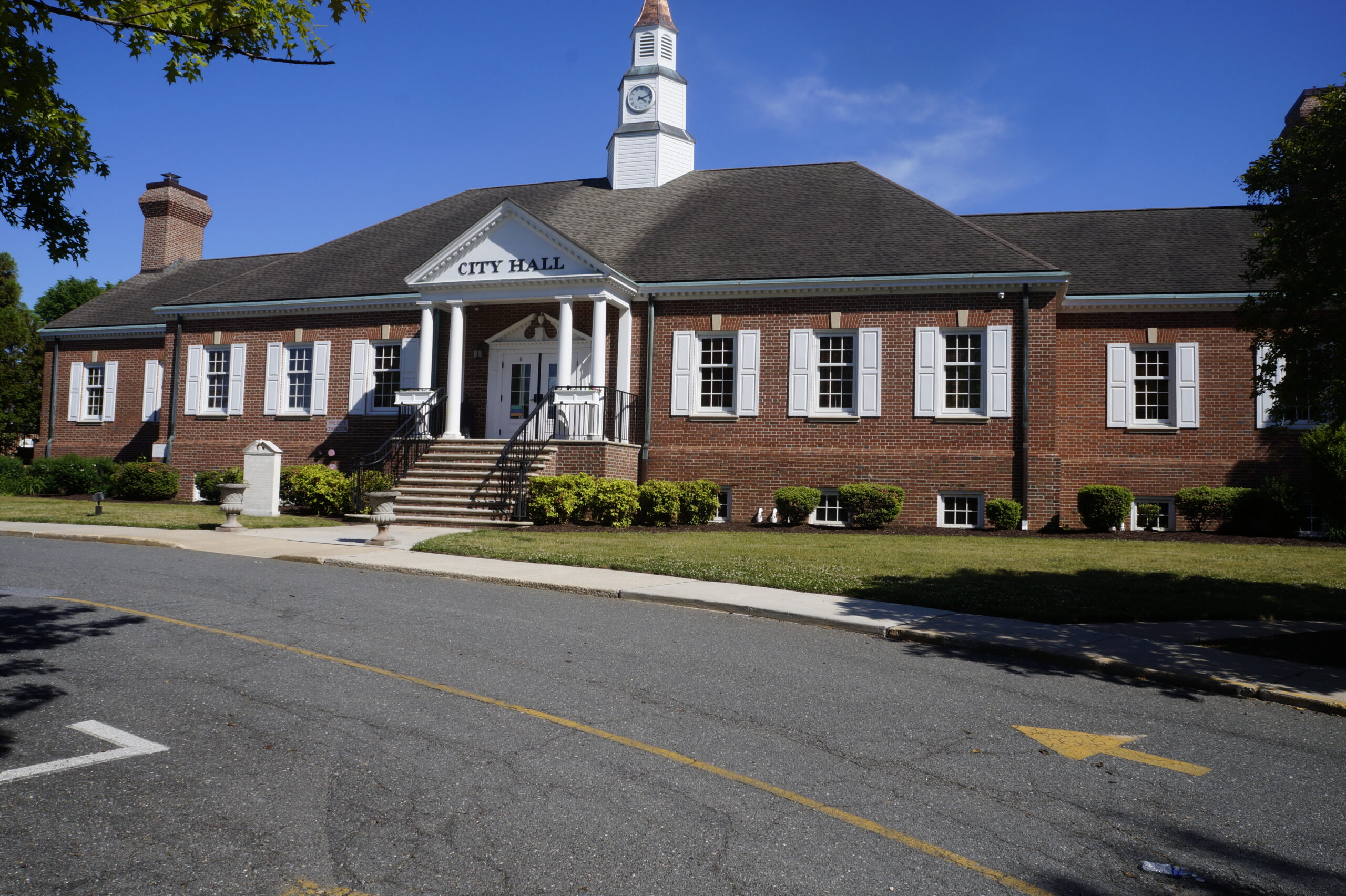

 At a recent meeting, Mayor Todd Culotta read a statement into the record regarding a recent lawsuit settlement. The lawsuit involved a former unpaid intern with the city, Lance Tressler, who filed both a FOIA violation and a civil lawsuit against the city.
“Recently, we had a settlement with an individual and part of our agreement was that we would read this statement,” Culotta read. “The city council agrees to make a statement at a meeting of the council that the city recognizes that the Delaware Attorney General’s Office has found that the Delaware Freedom of Information Act was violated by denying Mr. Lance Tressler’s right to speak at the meeting on January 13, 2025. The city will, as advised by the Attorney General’s Office, review its meeting and hearing procedures with legal counsel to ensure future FOIA violations do not occur surrounding public comment.”
According to court documents, Tressler On January 13, 2025, a public hearing was on the council agenda that included ordinances related to the retail sale of marijuana. Tressler told his supervisor, Lauren Swain, that he intended to speak as a public citizen. He also informed City Manager Mark Whitfield of his intention to speak. Both agreed that he had the right to express his opinion as a constituent.
“After the City staff spoke and others made public comment, the mayor asked, for the last time, if anyone else present would like to make a public comment before turning to persons online who wished to speak,” court documents read. “At that time, the Plaintiff [Tressler], who was seated at the table for City staff and had not been identified as a potential speaker to the City’s counsel, came forward to speak.”
A review of the recording of the January 13 meeting indicates that when Tressler arrived at the podium, Councilman and Vice-Mayor Jason James questioned his status as a city employee. Then-Solicitor David Rutt stated that the time for staff comment was over and that Tressler could not speak. Tressler responded that he was not a paid city employee.
“Doesn’t matter,” Culotta said. “Sorry.”
Court documents then indicate that Tressler chose not to push the issue at the meeting and did not speak. Tressler filed a complaint with the Attorney General’s Office claiming the city violated FOIA. On April 16, 2025, the Attorney General issued a ruling that the city did violate FOIA.
“Although the statute allows a public body to ‘impose reasonable time, place and manner restrictions on the length of the public comment period and amount of time allotted for each public comment,’ in these circumstances, FOIA does not permit denying an individual the opportunity to speak entirely during the public comment period based solely on their role as an intern.”
The ruling continues, stating that when a violation of FOIA is found, any action taken at a a meeting in violation of this chapter may be voidable by the Court of Chancery. Tressler filed in Chancery Court naming Culotta, James and Police Chief Cecilia Ashe, who did not speak when Tressler was denied the right to speak. The case was presented to the Court of Chancery, but the court denied the request to vacate the marijuana ordinances passed at the meeting as the lawsuit was filed after the statutory deadline. Tressler argued that the delay was due to awaiting the ruling from the Attorney General.
Tressler filed suit in the U.S. District Court claiming his First Amendment Rights were denied. The city filed a motion to dismiss, claiming Tressler had not stated a valid First Amendment claim. Magistrate Judge Eleanor G. Tennyson denied the motion to dismiss, allowing the case to move forward. In November 2025, US District Judge Jennifer L. Hall adopted Tennyson’s recommendation that the suit move forward.
Due to the court rulings, the city chose to settle the case with Tressler. They agreed to pay $25,000 and read the statement into the record at the council meeting. Council will review public comment rules and make adjustments as necessary to avoid future FOIA violations.