





 Fresh fruits and vegetables are an important part of a healthy diet, but produce can occasionally carry parasites and bacteria capable of causing foodborne illness. Taking a few precautions in the kitchen can help families reduce their risk while continuing to enjoy fresh produce.
Dr. Pamela Bailey, an infectious disease specialist at ChristianaCare, said consumers should remember that contamination of fresh produce is not limited to any one particular outbreak or time of year.
“Cyclospora, not just a July 2026 problem. This is something I watch for because I’m an infectious diseases physician,” Bailey said.
Cyclospora is a microscopic parasite that can cause an intestinal illness known as cyclosporiasis. People generally become infected after consuming food or water contaminated with the parasite. Fresh produce has been associated with outbreaks in the United States.
Bailey noted that recalls involving produce are not unusual.
“You may remember in the past onions, lettuce, raspberries, cilantro, even,” she said.
One of the simplest precautions families can take begins as soon as fresh produce is brought into the kitchen.
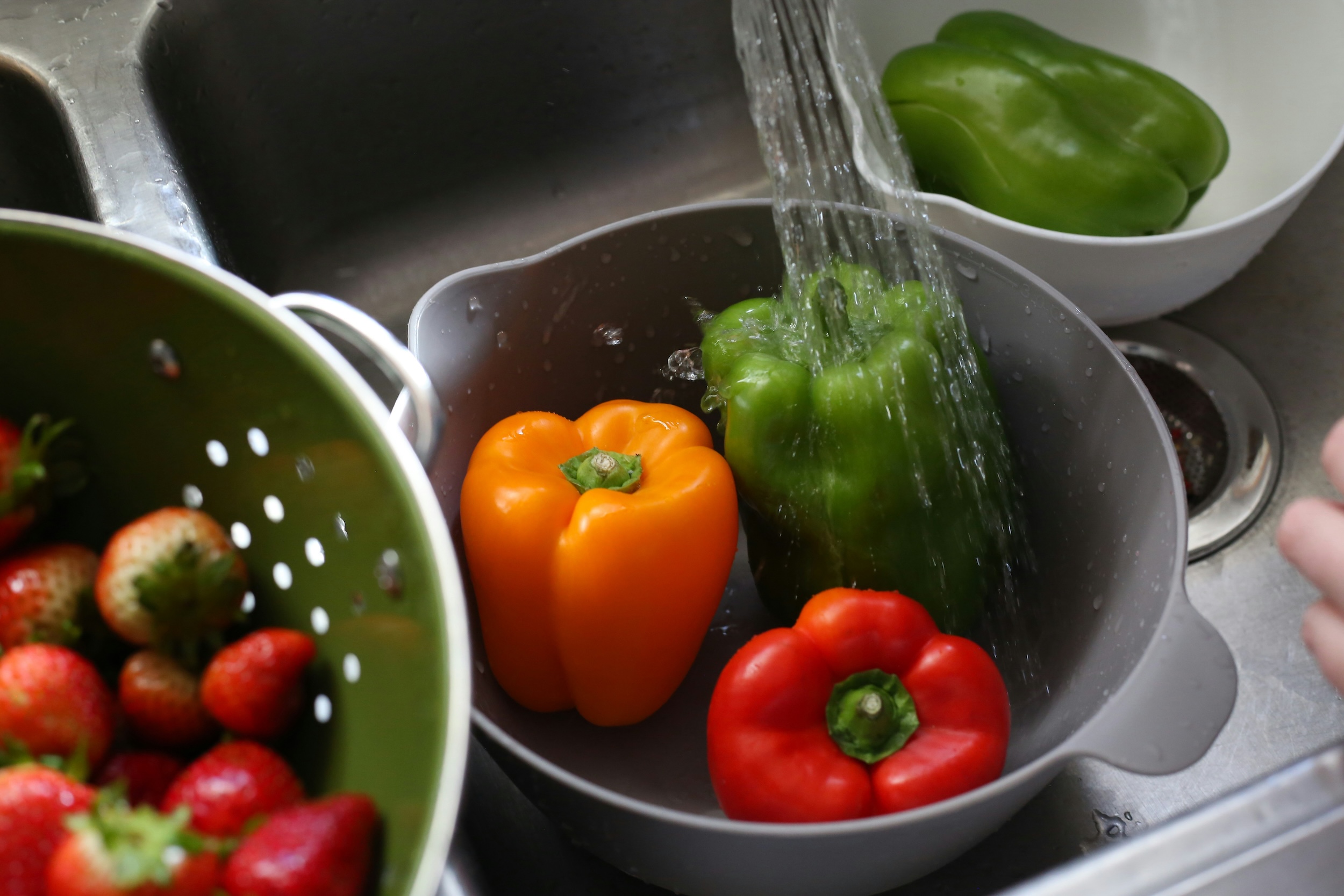
“When you get your fruits and vegetables home, what you have to do is wash them, put them in a colander, swirl them around under running water to make sure that they are rinsed,” Bailey said.
Produce should be washed under clean running water rather than with soap, bleach or household cleaning products. Firm produce can be gently scrubbed.
“You could also try a vegetable brush if it’s a stiffer vegetable that might tolerate having that scrubbing action,” Bailey said.
Washing produce can help remove dirt and reduce some contaminants, although washing cannot guarantee that every disease-causing organism will be eliminated. Consumers should also follow food recalls because washing a recalled product does not necessarily make it safe to eat.
Bailey also recommends removing portions of produce that can be discarded or peeled.
“And then, the safest thing of all is something that you can peel,” she said. “So the outer layers of lettuce, toss them, or something like a banana or an orange.”
Food safety does not end with fruits and vegetables. Families can reduce the risk of illnesses caused by organisms such as Salmonella, E. coli, Campylobacter and Listeria by following basic food-handling practices.
Raw meat, poultry, seafood and eggs should be kept separate from foods that will be eaten without additional cooking. Families should consider using separate cutting boards for raw meats and produce and should thoroughly wash cutting boards, utensils and countertops after preparing raw foods.
Hands should be washed with soap and water before and after food preparation, particularly after handling raw meat, poultry, seafood or eggs.
Cooking food to a safe internal temperature is also important. A food thermometer provides a more reliable indication of doneness than appearance alone. Perishable foods should be refrigerated promptly rather than being left at room temperature for extended periods.
Families should also regularly clean refrigerators and discard spoiled or questionable food. When a food recall is announced, consumers should check brand names, package sizes, lot numbers and purchase dates rather than assuming every version of a particular food is affected.
Cyclospora primarily affects the intestinal tract. Symptoms can include watery diarrhea, loss of appetite, stomach cramps, bloating, nausea, fatigue and weight loss. Symptoms can persist or return if the infection is not treated.
Anyone experiencing significant or persistent gastrointestinal symptoms should contact a healthcare provider, particularly if symptoms follow consumption of food associated with a recall or outbreak. Young children, older adults, pregnant women and people with weakened immune systems can face greater risks from certain types of foodborne illness.
Despite the potential risks, Bailey does not want families to avoid the nutritious foods that are an important part of a healthy diet. Instead, the emphasis should be on safe preparation.
“I just want you guys to stay safe while consuming healthy fruits and vegetables,” Bailey said.
For families, a few additional minutes spent washing produce, preventing cross-contamination, cooking foods properly and paying attention to recalls can go a long way toward making the kitchen, and the meals served from it, safer.