



Living Indigenous, a major new exhibition showcasing Indigenous art at the Delaware Art Museum, was recently unveiled. The exhibit, which highlights identity and storytelling, will be on view through August 23, 2026.
Developed in partnership with the Nanticoke Indian Museum, the Living Indigenous exhibition brings together intergenerational voices to highlight the lived experiences and creative contributions of Indigenous artists connected to Delaware and across Turtle Island, a term widely used by Indigenous peoples to describe North America.
The exhibition features the work of contemporary Indigenous artists displayed with historical objects, ephemera, and pieces from the museum’s permanent collection. Spread across multiple galleries, Living Indigenous aims to center Indigenous perspectives while exploring themes of identity, history, and cultural continuity.
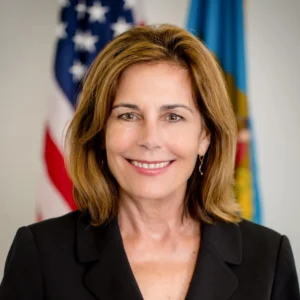
“The artists in the exhibition offer powerful perspectives on identity, history, and the present moment,” said Margaret Winslow, Head Curator and Curator of Contemporary Art at the Delaware Art Museum. “We’re excited to explore these stories with our community and beyond.”
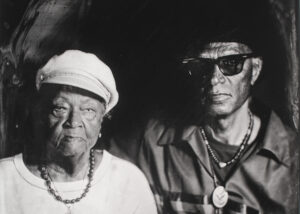
A key component of the Living Indigenous exhibition is its emphasis on intergenerational storytelling, including works by uncle and nephew artists Leonard Allen Harmon and Leonard D. Harmon. Reflecting on his work, Leonard D. explained his perspective on his ancestry and art.
“I draw inspiration from my ancestors to infuse a modern twist into traditional arts,” Leonard D. said. “This offers a fresh perspective on history.”
The exhibition also includes works by nationally and regionally recognized Indigenous artists such as Will Wilson, André L. Wright Jr., and rare illustrated books by Angel De Cora (Hinook-Mahiwi-Kalinaka). These are presented alongside pieces by non-Indigenous artists, including John Sloan, creating a dialogue that examines both appreciation and historical misrepresentation of Indigenous subjects in American art.
In addition to the gallery experience, Living Indigenous features a robust lineup of public programming designed to deepen engagement. Events include the 5th Annual Powwow of Arts and Culture, gallery talks, guided tours, expanded school curriculum offerings, and interpretive materials that amplify Indigenous voices.
Leaders from the Nanticoke Indian Museum emphasized the importance of representation in the exhibition.
“The Nanticoke Indian Museum is very pleased to have Nanticoke artists represented in this exhibition,” the organization said in a statement. “It is an honor to be able to present the artwork of talented tribal members to the public through the Delaware Art Museum.”
The exhibition builds on the museum’s longstanding collaboration with Indigenous communities through programs such as annual powwows, artist commissions, and community partnerships. It also aligns with the museum’s role in the state’s DE 250 initiative, which seeks to document Delaware’s 250th anniversary through diverse perspectives and lived experiences.
Museum officials say Living Indigenous reflects a broader commitment to accessibility and inclusion, positioning the Delaware Art Museum as a cultural hub that elevates underrepresented voices.
By connecting past and present through Indigenous storytelling and artistic expression, the exhibition invites visitors to engage with histories that continue to shape Delaware and the nation today. The Delaware Art Museum is located at 2301 Kentmere Parkway in Wilmington. They are open Wednesday through Sunday from 10 AM to 4 PM.