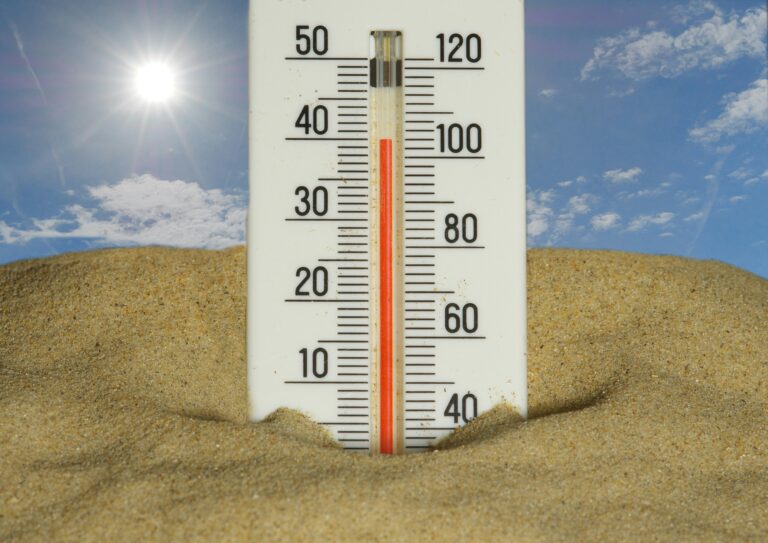







Temperatures this weekend are supposed to rise into the three digits and heat indexes soar well even higher, leading healthcare professionals across Delaware to remind residents that extreme heat is more than just uncomfortable. Too much heat can quickly become life-threatening.
Doctors at Bayhealth, ChristianaCare and Beebe Healthcare all say dehydration and heat-related illnesses can develop faster than many people realize, particularly among older adults, young children, outdoor workers, athletes, and individuals with chronic medical conditions.
“Many people don’t realize how quickly dehydration and heat-related illnesses can develop, especially during periods of extreme heat,” said Dr. Parvathi (Soma) Somasundaram, Medical Director of Bayhealth Occupational Health and Walk-In Care. “Staying hydrated and taking breaks from the sun can go a long way toward preventing serious health issues such as acute kidney injury and loss of consciousness.”
Heat-related illness often begins with dehydration. When the body loses more fluids than it takes in, it becomes more difficult to regulate body temperature, increasing the risk of heat exhaustion and eventually heat stroke.
Common symptoms of dehydration include thirst, dry mouth, headache, dizziness, fatigue and dark-colored urine. Ignoring these early warning signs can allow a person’s condition to deteriorate rapidly.
Heat stroke is the most serious heat-related illness and requires immediate medical attention. It occurs when the body’s cooling system can no longer regulate its internal temperature, causing the core body temperature to rise rapidly.
According to health experts, symptoms of heat stroke include a body temperature of 103 degrees Fahrenheit (39 Celsius), hot, red, flushed skin that may be dry or only slightly damp. The person may be confused or disoriented, agitated or have behavior that is unusual. Severe dizziness, rapid heartbeat, vomiting, seizures, hallucinations and loss of consciousness are also symptoms. If left untreated, heat stroke can cause brain damage, kidney failure, heart damage, liver damage, permanent neurological impairment, and death.
Medical experts note that once the body’s temperature reaches approximately 104 degrees, major organs begin shutting down. At 107 degrees, especially in children, heat stroke can become fatal.
Anyone suspected of experiencing heat stroke should be moved to a cool location immediately while someone calls 911. Cooling efforts should begin right away using cool water, wet towels, or a garden hose. Ice baths are generally not recommended for young children.
Emergency physicians say older adults account for many emergency department visits during periods of extreme heat.
“Heat-related illness is a common reason for older adults to end up in the emergency department,” said Dr. Kevin Bristowe, Director of Emergency Services at Beebe Healthcare. “Some medications, such as antihypertensive prescriptions, can increase the chance of heat-related illness. Older adults should limit heat exposure, keep the air conditioning on and operational, and make sure to drink enough water.”
He also encouraged family members to check regularly on elderly relatives and neighbors.
“Family members and friends should check up on older adults to make sure they are cool enough and drinking enough fluids,” Dr. Bristowe said.
Young children face an even greater risk because their bodies warm three to five times faster than an adult’s.
Heat stroke remains the leading cause of non-crash, vehicle-related deaths among children in the United States. Too often, those deaths occur when a child is left in a car while an adult “runs inside for just a moment” or someone forgets the child is in the car.
Even on a mild day, the inside of a parked vehicle can become deadly. Experts note that a vehicle’s temperature can increase by approximately 20 degrees in just 10 minutes, and simply cracking the windows provides little relief. Heat stroke has occurred in outdoor temperatures as low as 57 degrees.
Since 1998, more than 600 children have died in the United States from heat stroke inside vehicles. According to national statistics, 53% were accidentally forgotten, 29% entered unlocked vehicles while playing, and 17% were intentionally left inside.
“It is easy to become distracted, but when you are distracted around cars, it can endanger not only your life, but the life of your child,” Dr. Bristowe said. “Studies have shown that heatstroke tragedies often happen when the daily routine is changed, like when dad takes the child to school instead of mom and forgets. These types of tragedies can be prevented.”
Health officials recommend several simple habits that can prevent tragedy. Never leave a child alone in a vehicle, even for a minute. Always check both the front and back seats before locking your vehicle. Place your purse, briefcase, phone or another necessary item in the back seat a reminder. Ask childcare providers to call immediately if a child does not arrive as expected.
Another tip is to place a stuffed animal or a reminder note in the front seat when a child is riding in the back. Keep vehicles locked and keys out of children’s reach to prevent them from climbing inside to play. If you see a child alone in a vehicle, call 911 immediately.
Safe Kids Worldwide encourages parents to remember the acronym ACT which stands for Avoid leaving children alone in vehicles; Create reminders to check the back seat and Take action by calling 911 if a child is alone in a vehicle.
Fortunately, most heat-related illnesses can be prevented with a few simple precautions.
Doctors recommend drinking water regularly, even when you are not thirsty. Wear lightweight, loose-fitting, light-colored clothing and schedule outdoor activities during cooler morning or evening hours whenever possible. Take frequent breaks in shaded or air-conditioned areas and be sure to use sunscreen to prevent additional stress on the body. Check on older adults regularly as they are vulnerable to heat-related illness. Never leave children or pets inside parked vehicles.
“One of the best ways to protect yourself is to plan ahead,” said Dr. Soma. “If you’re spending time outdoors, bring water and sunscreen with you and pay attention to how your body feels.”
She added that recognizing symptoms early can make all the difference.
“The earlier you recognize symptoms and take action, the better,” Dr. Soma said. “A little preparation can help you stay healthy and enjoy everything summer has to offer.”
Healthcare providers remind Delaware residents that while summer is meant to be enjoyed, extreme heat deserves respect. By staying hydrated, recognizing warning signs, checking on vulnerable family members and neighbors, and never leaving children unattended in vehicles, many heat-related emergencies and tragedies can be prevented.