






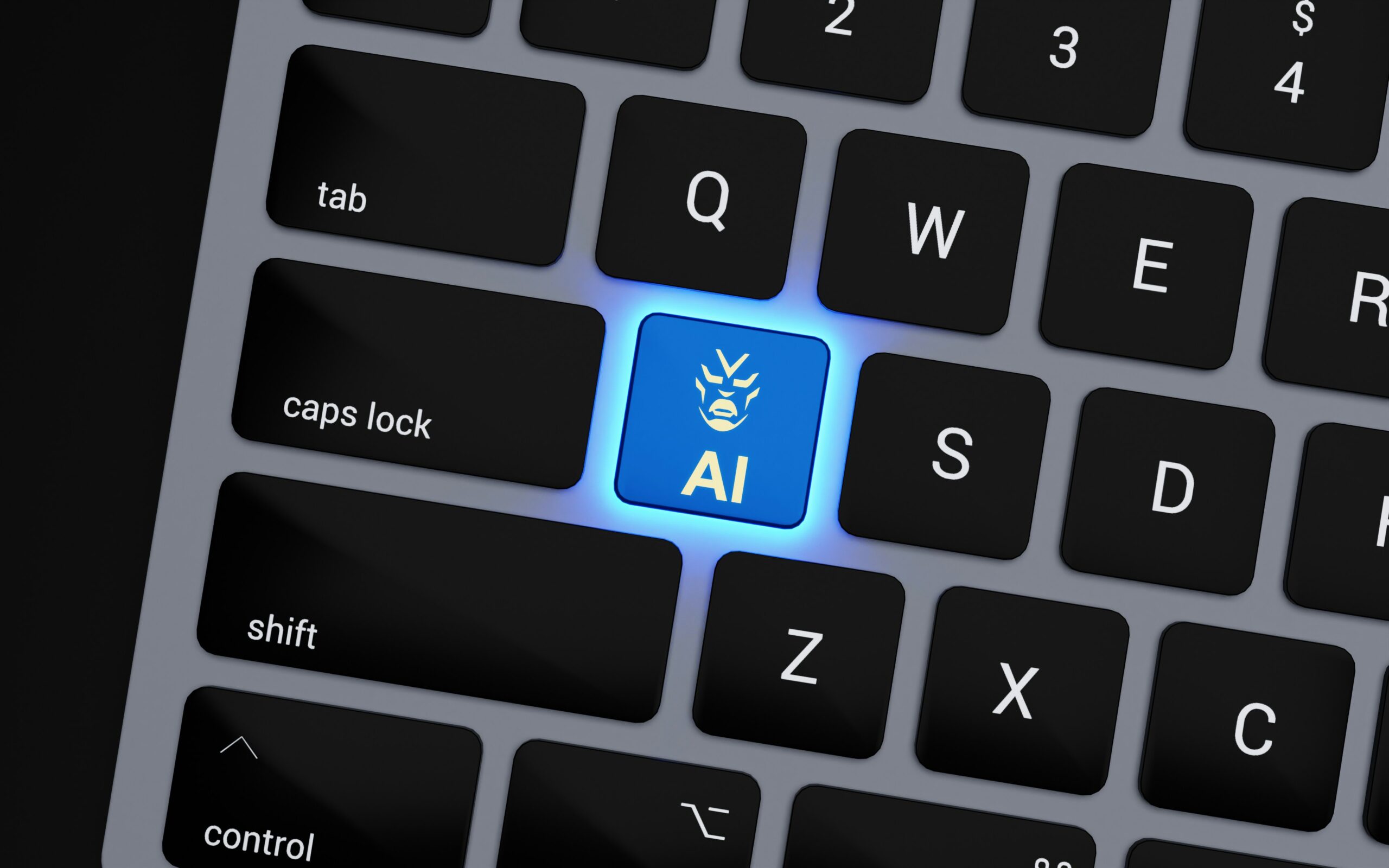

BoliviaInteligente, Unsplash Media
As AI accounting tools become increasingly integrated into software, financial professionals are urging business owners to proceed with caution, warning that even the most advanced tools cannot compensate for inaccurate or incomplete bookkeeping.
Modern platforms like QuickBooks and similar systems now offer AI-driven features such as expense categorization, cash flow forecasting, tax projections, and automated insights. While these capabilities promise efficiency and smarter decision-making, experts say the technology’s effectiveness depends entirely on the quality of the underlying data.
“AI doesn’t fix messy books, it analyzes them,” industry professionals note. “And if the data is wrong or incomplete, the advice will likely be faster, but wrong.”
The rapid adoption of AI accounting tools reflects a broader shift toward automation in financial management and growing use of artificial intelligence. However, unlike human accountants, AI accounting tools do not independently audit records, reconcile accounts, or apply professional judgment. Instead, they rely on existing data, assuming it accurately reflects a company’s financial reality. That assumption, experts say, is where risk begins.
While AI accounting tools can flag unusual transactions or suggest categories based on past behavior, they lack the contextual understanding required for complex financial decisions. For example, a purchase at a retailer may be categorized automatically as office supplies, even if it should be recorded as a capital asset and depreciated over time.
“AI can recognize patterns, but it cannot interpret intent or apply tax strategy,” experts emphasize.
Financial professionals report that common bookkeeping mistakes, often overlooked by business owners, can significantly distort AI-generated insights. Misclassified expenses can alter profitability and tax liability, while unreconciled bank accounts may result in duplicate or missing transactions. Unreviewed bank entries can lead to incomplete financial reports, and mixing personal expenses with business accounts can distort margins, things that AI accounting tools may miss. Outdated financial records further compound the issue, creating so-called “real-time insights” based on lagging or inaccurate data.
“There’s a long-standing rule in technology: garbage in, garbage out,” experts say. “AI doesn’t eliminate that rule, it can actually make it more dangerous because the results look so confident.”
The implications of depending on AI accounting tools extend beyond inaccurate reports. Experts warn that flawed data can lead to poor business decisions, including incorrect tax strategies, unreliable cash flow projections, and overconfident financial forecasting. Businesses may underpay taxes and face penalties, overpay and restrict cash flow, or miss key planning opportunities altogether. Meanwhile, AI-generated forecasts based on flawed historical data can give a false sense of security.
“The chart may look sophisticated,” professionals caution, “but the foundation may not be.”
Despite these concerns, experts stress that AI remains a valuable tool when used correctly. When paired with clean, reconciled, and professionally reviewed financial records, AI accounting tools can enhance efficiency, identify trends more quickly, and support stronger strategic planning.
“This isn’t anti-AI, it’s pro-accuracy,” professionals say.
As AI continues to reshape the accounting landscape, business owners are encouraged to prioritize data accuracy before relying on automated insights. Ensuring that accounts are reconciled, transactions are properly categorized, and financial records are up to date remains essential.
“Technology doesn’t remove responsibility,” experts note. “It increases it.”
With the right foundation, AI accounting tools can be a powerful ally. Without it, experts warn, it may simply accelerate costly mistakes.