






IRS penalties and interest during the COVID-19 pandemic may now be recoverable based on a recent federal court ruling. The ruling potentially opened the door for refunds tied to tax deadlines between 2020 and 2023.
The decision in Kwong vs. United States, issued by the U.S. Court of Federal Claims, determined that the 2019 version of Internal Revenue Code Section 7508A(d) provides an automatic extension of tax deadlines during federally declared disasters. The case specifically addresses the IRS penalties issued during the COVID-19 pandemic, which the court determined created an extended deadline period spanning January 20, 2020, through July 10, 2023.
In its ruling, the court rejected the IRS’s previous interpretation that such extensions were limited to one year. Instead, the court determined that the law provides a mandatory extension for the full duration of the federally declared disaster period. As a result, some IRS penalties and interest charges assessed during that timeframe may have been improperly applied.
For taxpayers, the ruling could mean that failure-to-file and failure-to-pay IRS penalties imposed between 2020 and 2023 may now be eligible for refunds or abatement. Because the legal tax deadline effectively shifted to July 10, 2023, IRS penalties assessed prior to that date could potentially be challenged.
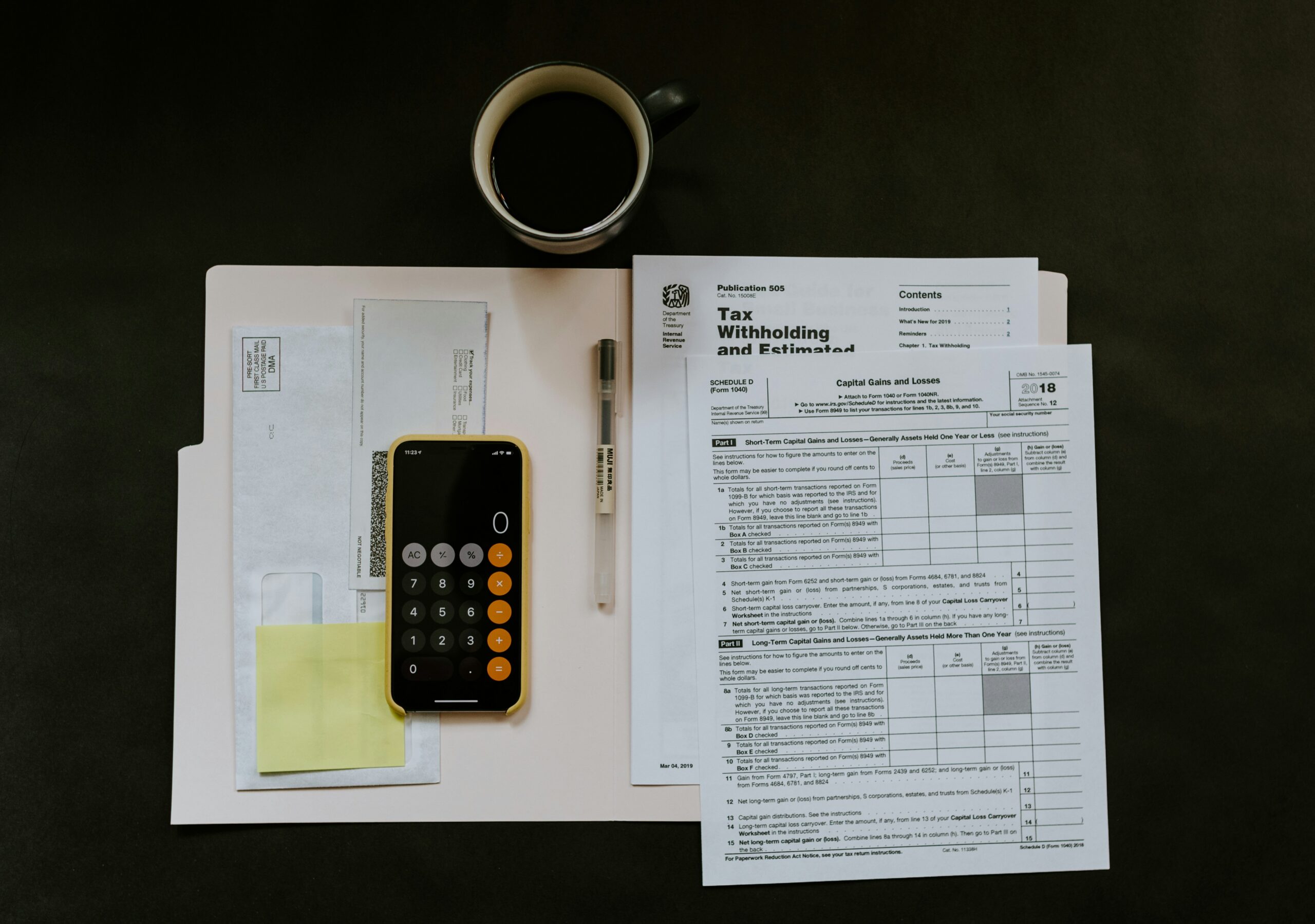
Tax professionals recommend that taxpayers review their IRS taxpayer account transcripts to determine whether penalties or interest were charged for deadlines within that period. Transcripts can be requested for free through the IRS Get Transcript tool, by submitting Form 4506-T by mail, or by calling 800-908-9946. Ordering online typically provides the fastest access.
Affected taxpayers may also consider filing a Claim for Refund and Request for Abatement using Form 843, commonly known as a protective claim. Filing this form allows taxpayers to request refunds for penalties and interest or seek abatement if those charges remain unpaid.
Filing a protective claim is particularly important because the federal government may still appeal the Kwong ruling. A protective claim preserves a taxpayer’s right to a refund while legal challenges continue and prevents the statute of limitations from expiring during the appeal process.
In addition, the IRS has announced plans beginning in 2026 to automatically apply First-Time Abatement (FTA) relief for certain IRS penalties to eligible taxpayers who maintain a clean three-year compliance history. This policy may offer another pathway for removing penalties associated with the pandemic timeframe.
Taxpayers should also be aware of the filing deadline associated with the ruling. Refund claims tied to the decision must be submitted within three years of the adjusted deadline of July 11, 2023, making July 10, 2026, the final date to file claims with the IRS.
Tax experts advise individuals and businesses who paid significant IRS penalties or interest during the pandemic years to review their tax records and consult a qualified tax professional to determine whether filing a protective claim is appropriate.
With the potential for IRS appeals and the approaching statute of limitations deadline, acting sooner rather than later could help taxpayers preserve their ability to recover IRS penalties and interest paid during the COVID-19 tax period.